


The Full Unitree Range
Global Drone HQ is an authorized Unitree reseller. The range runs from a $3,790 quadruped for a classroom to a full-size research humanoid, and every model listed here has a US equipment authorization we have verified.

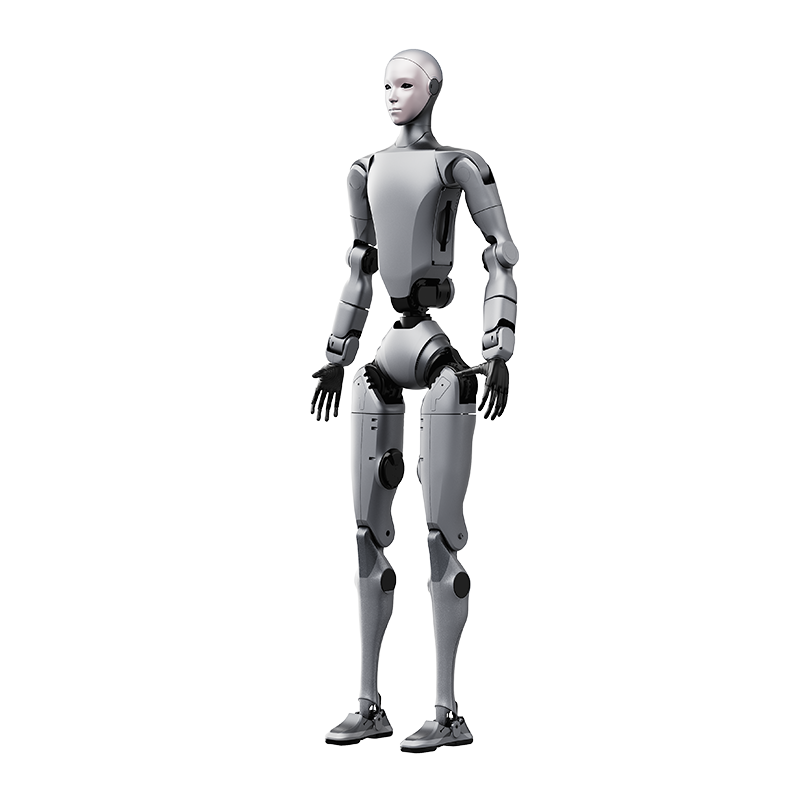
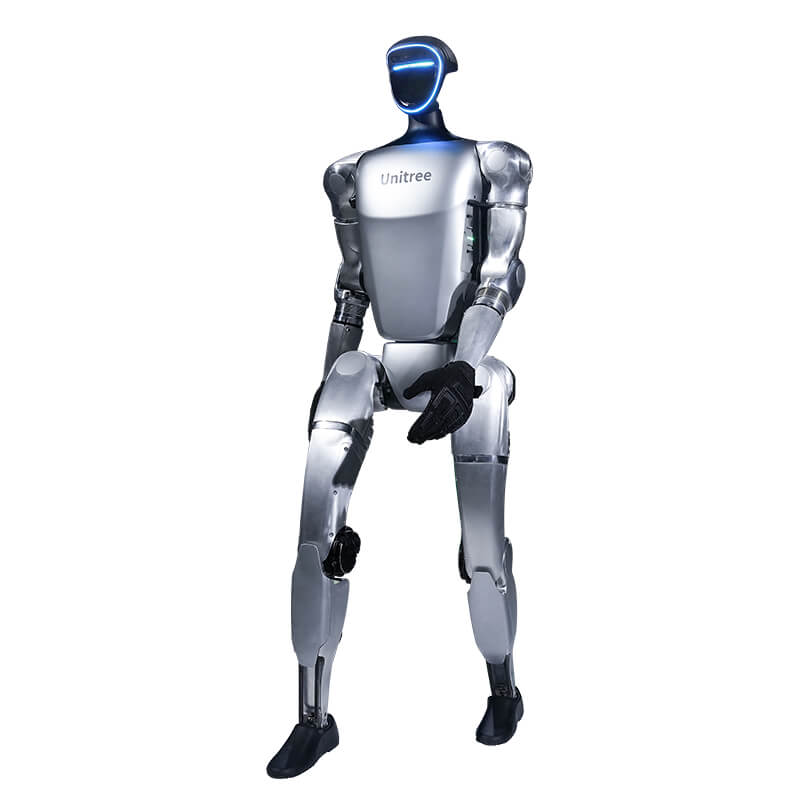
Unitree H2 Edu
From $66,800

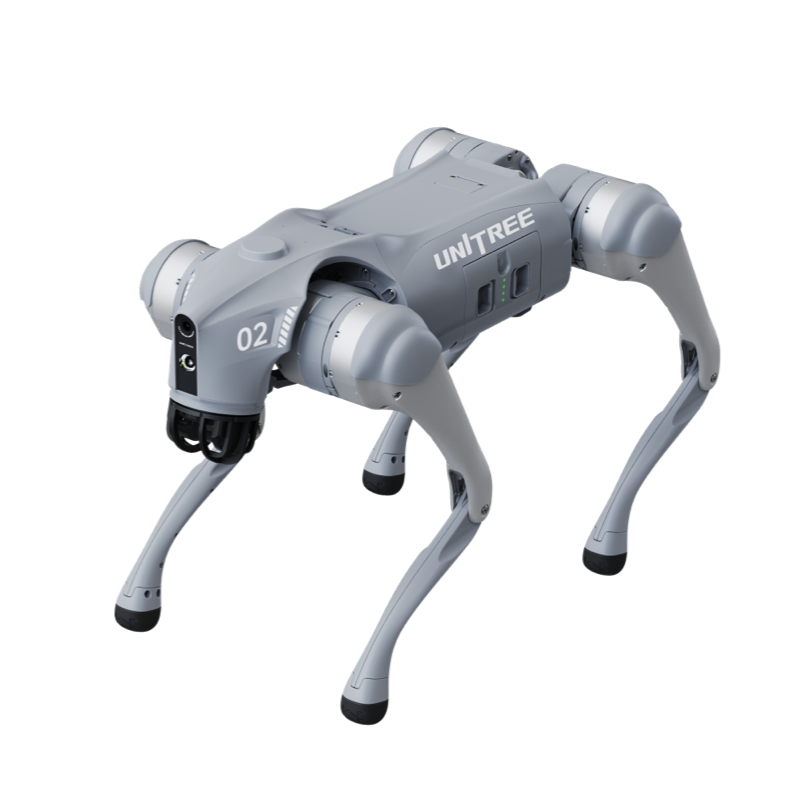
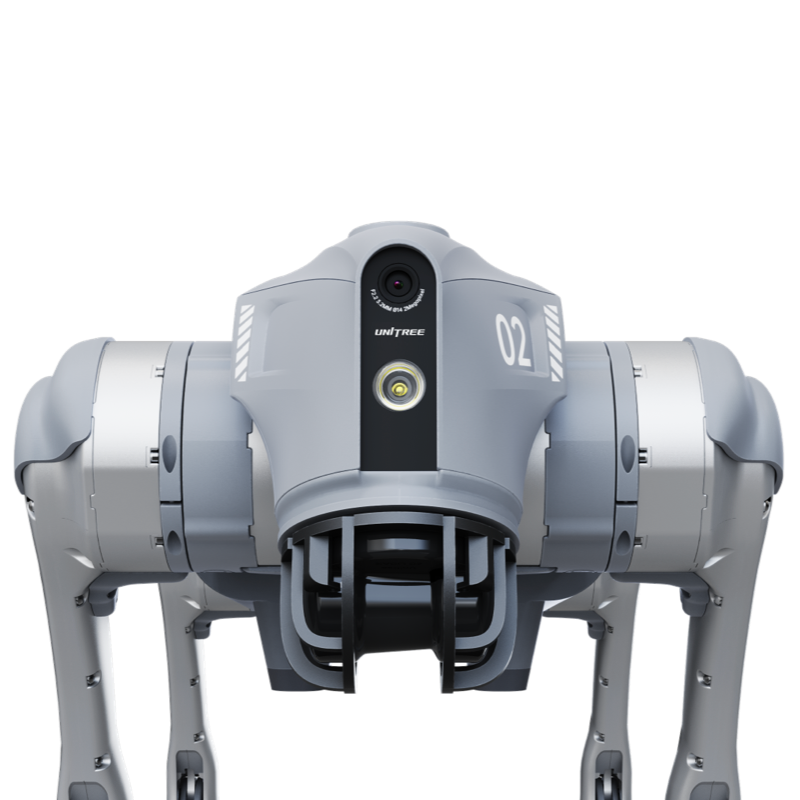
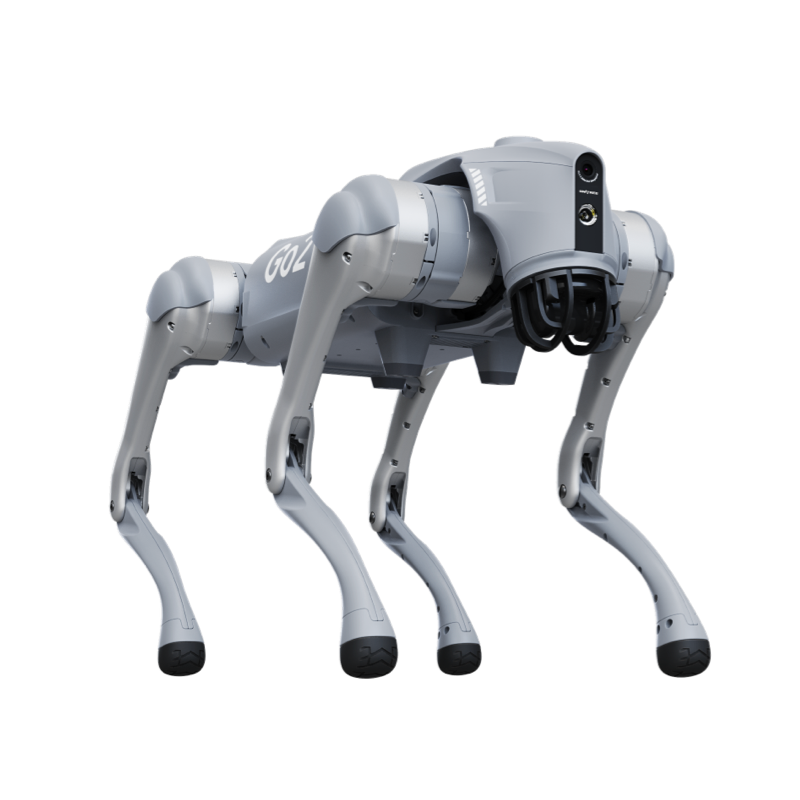
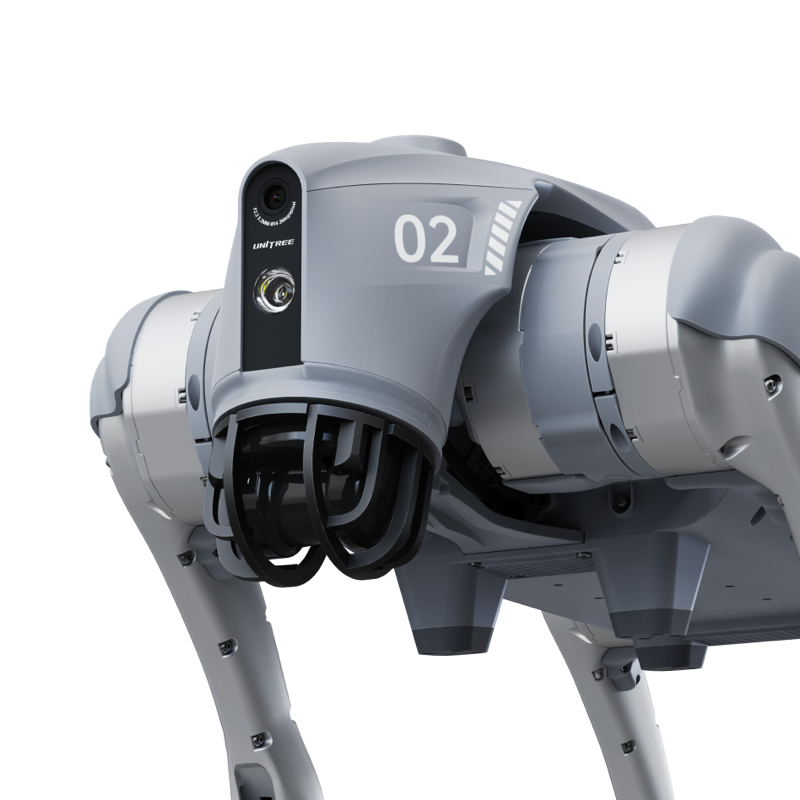
Unitree Go2 Pro
From $3,790

Optional Jetson Thor

Secondary development

Degrees of freedom

Standing height
Degrees of freedom
Onboard AI compute

Contact rated

Combat tuned motion
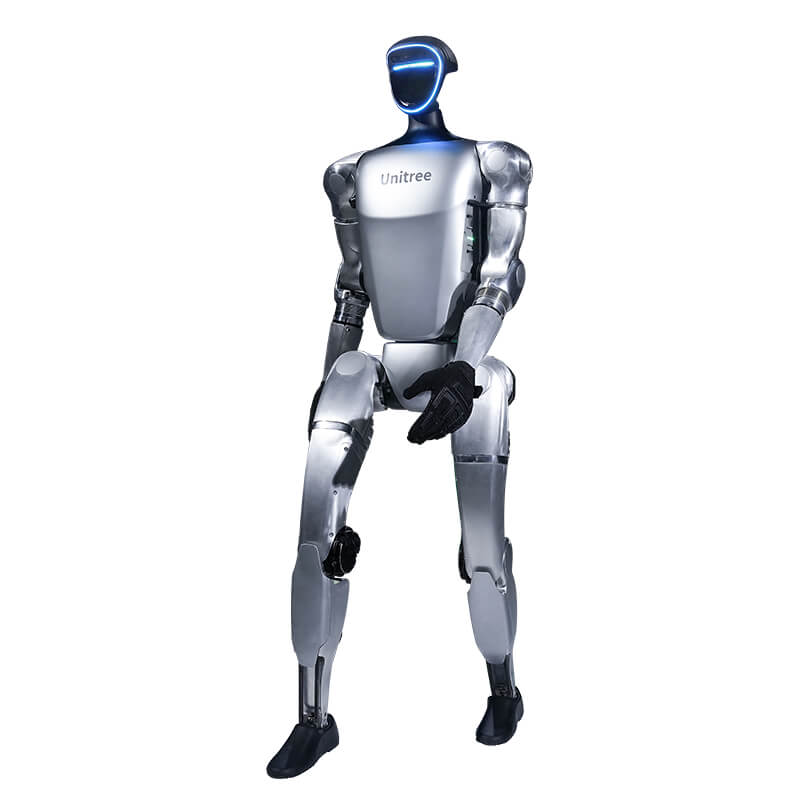
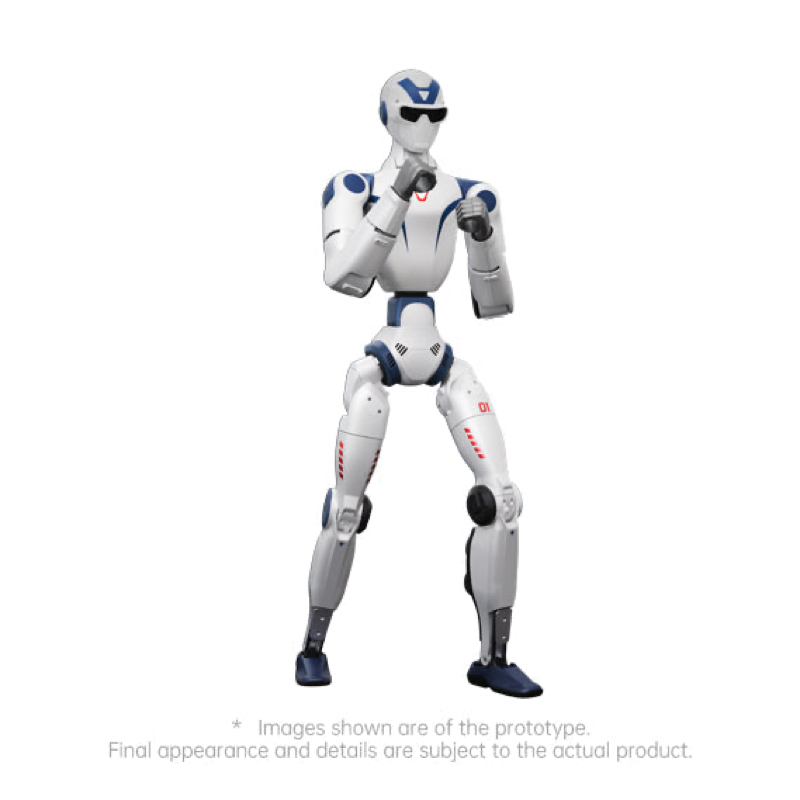
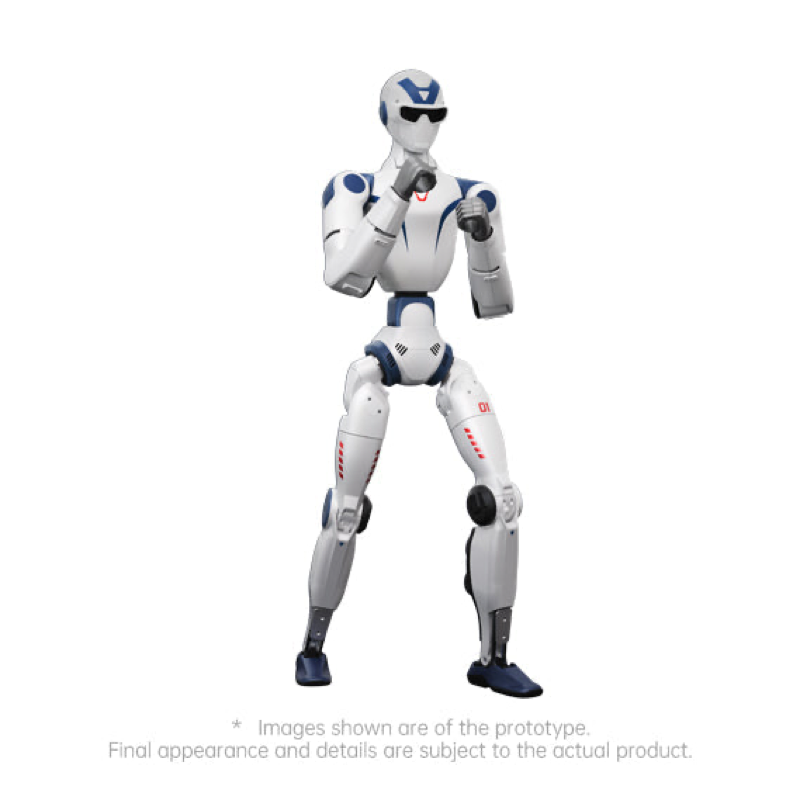
Unitree G1 Edu Ultimate Humanoid Robot
Degrees of freedom
Onboard AI compute
Dexterous hand options
Force feedback options
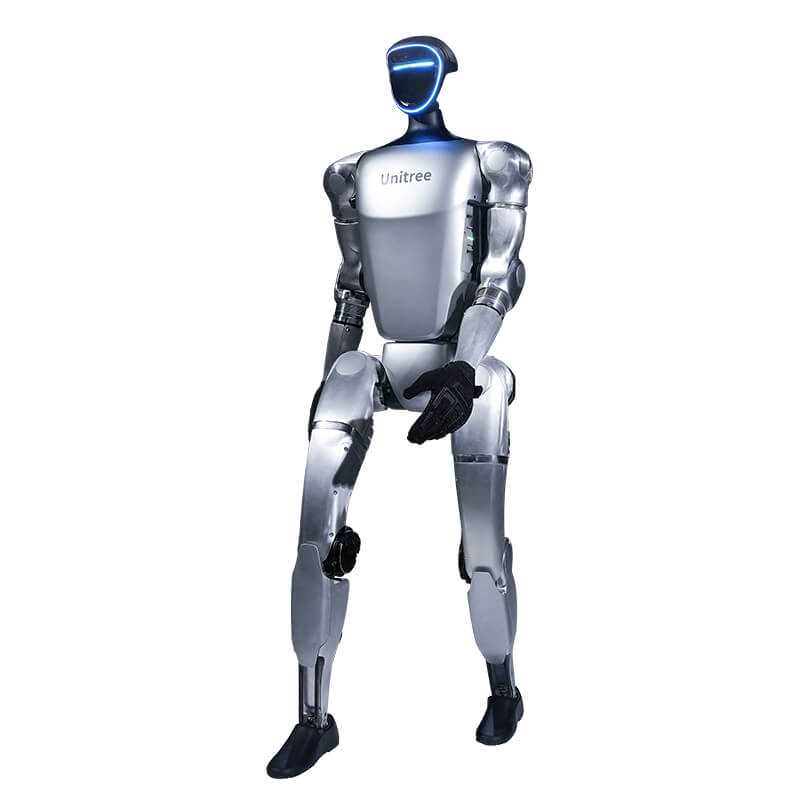
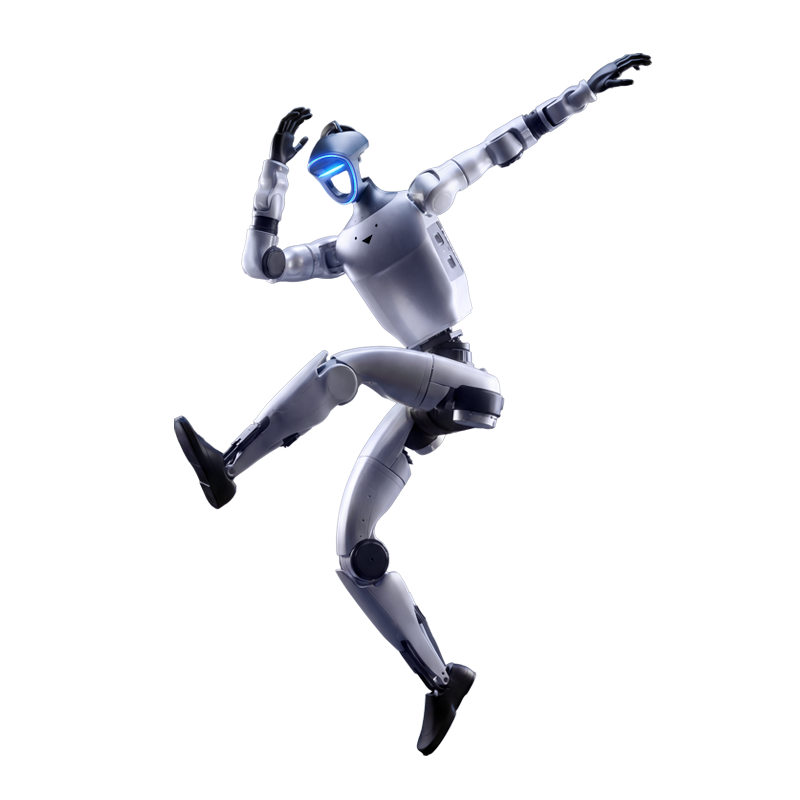
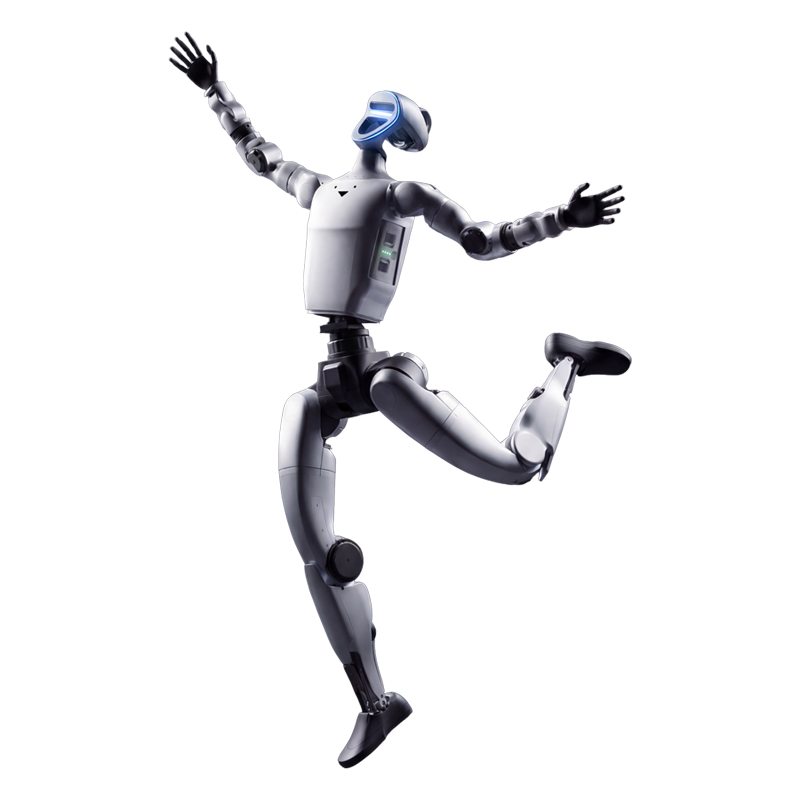
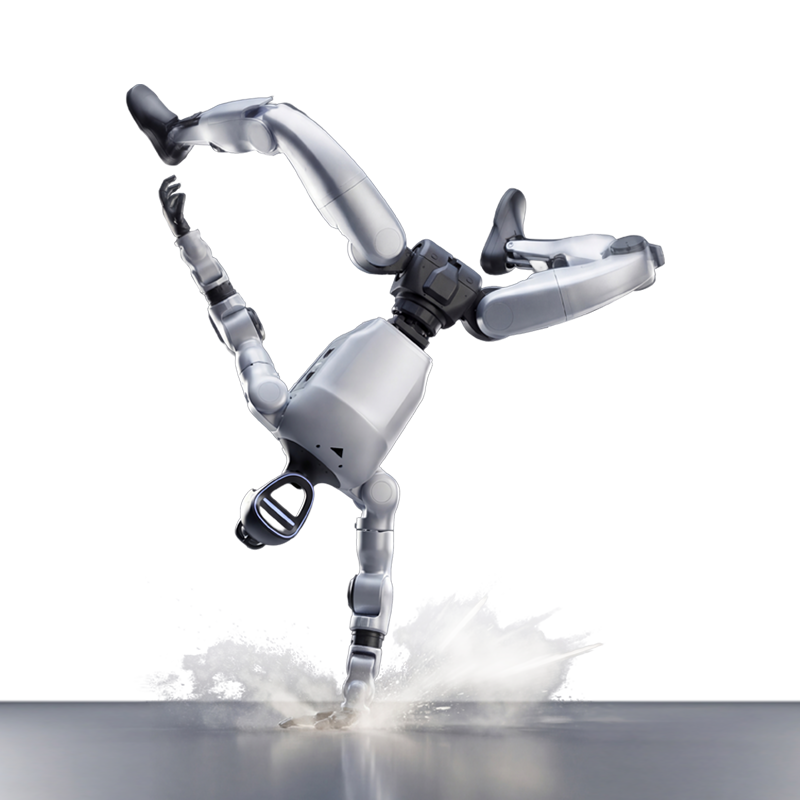
Unitree G1 Edu Plus Humanoid Robot
Degrees of freedom
Onboard AI compute
Per arm articulation
Waist articulation
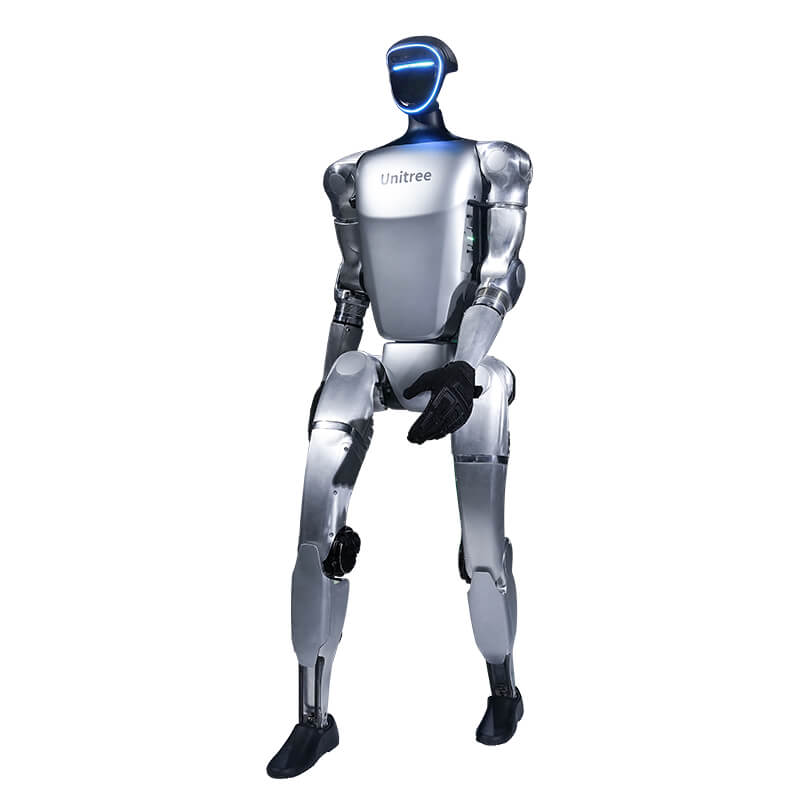
G1 Has Sixteen Configurations
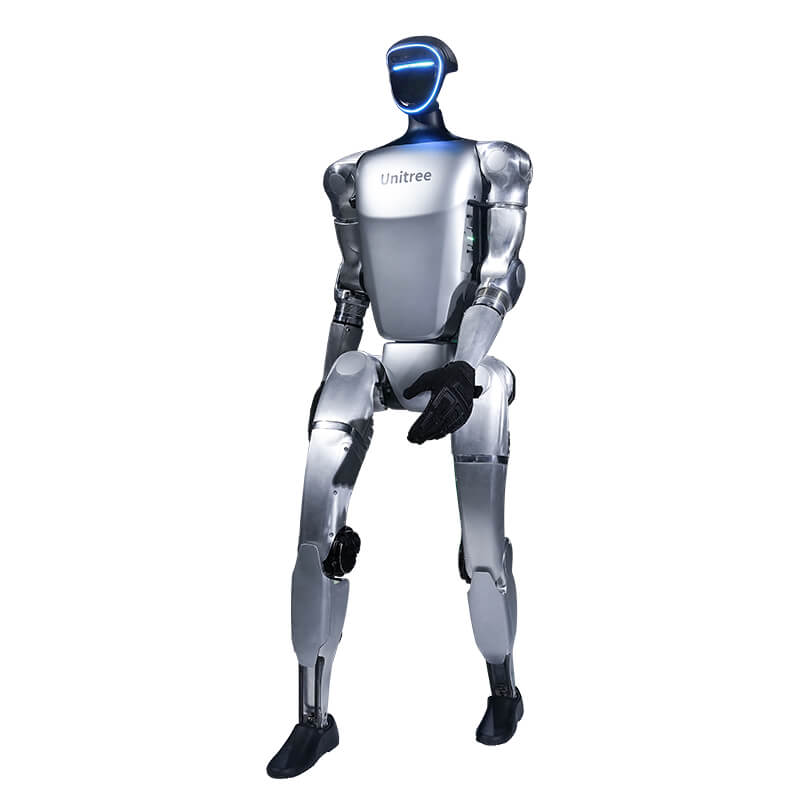
The G1 humanoid ships in more variants than any other Unitree product, and the differences matter. Our configuration guide explains which one fits which job.
Degrees of freedom
Jetson Orin NX
Plus depth camera
Ball detection
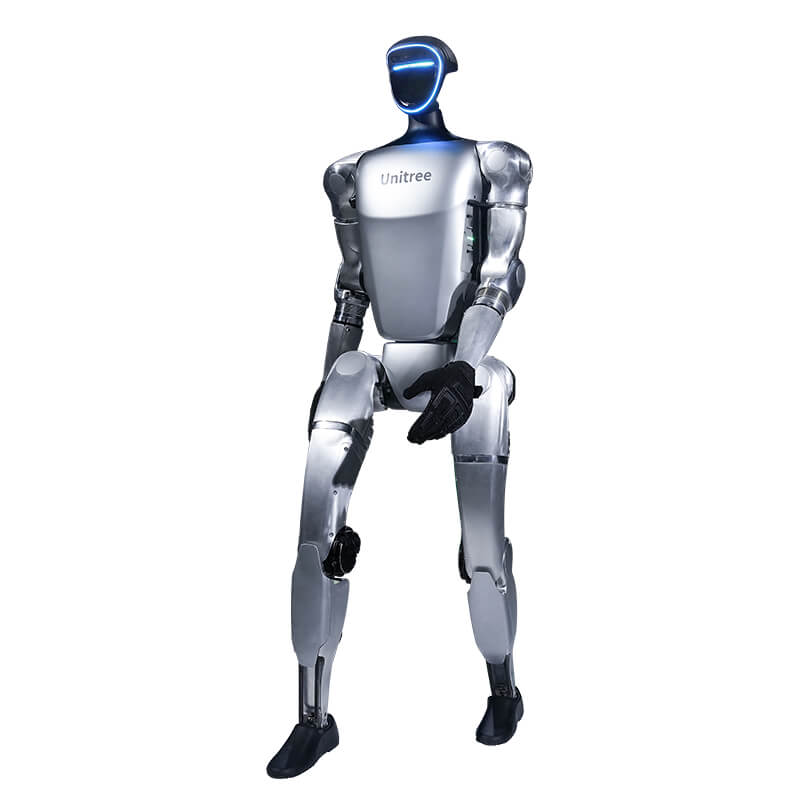
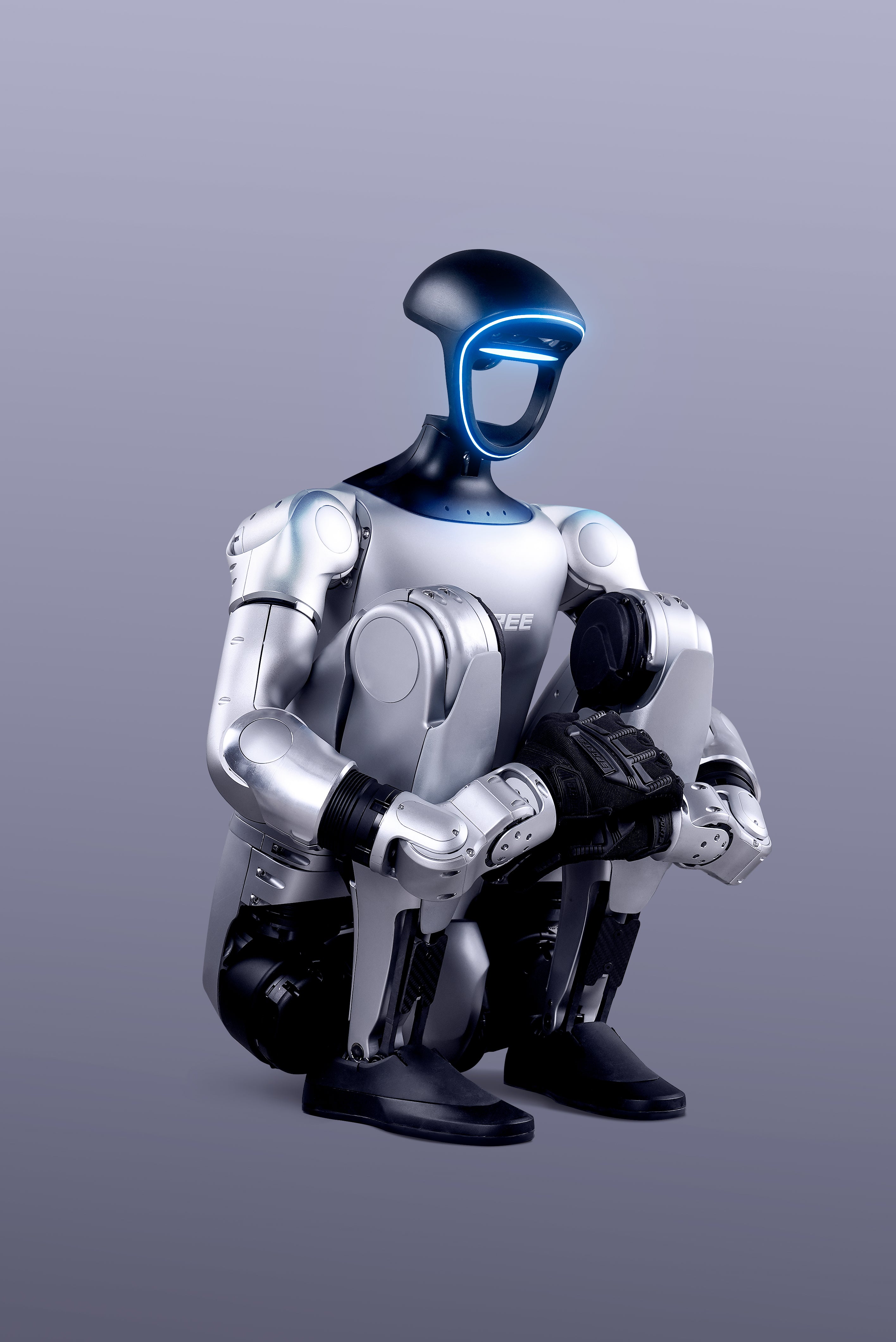
Unitree G1 Edu Pro Humanoid Robot
Degrees of freedom
Onboard AI compute
Dexterous hand options
Force feedback options
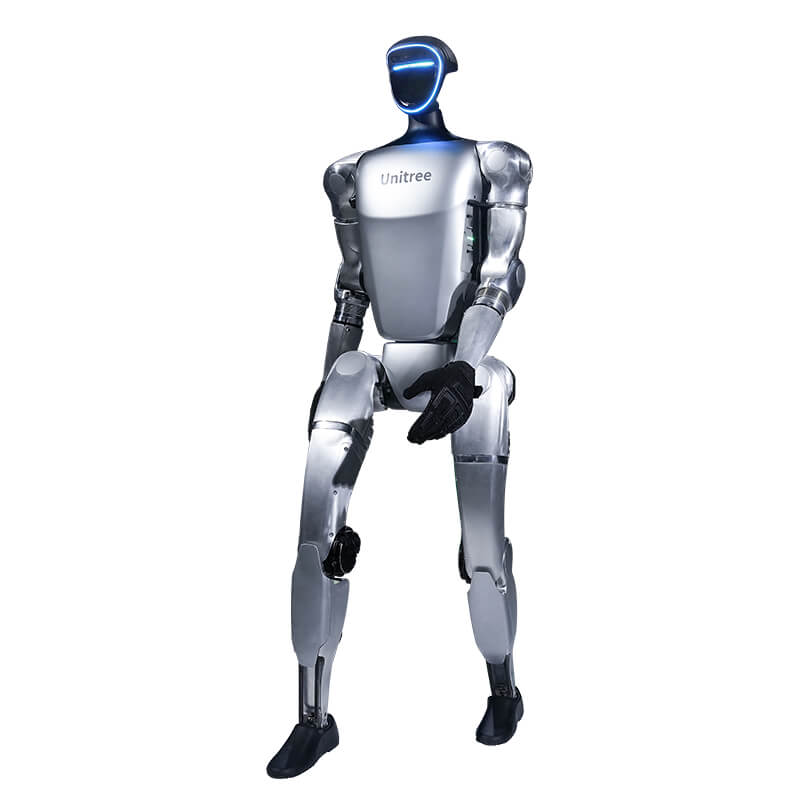
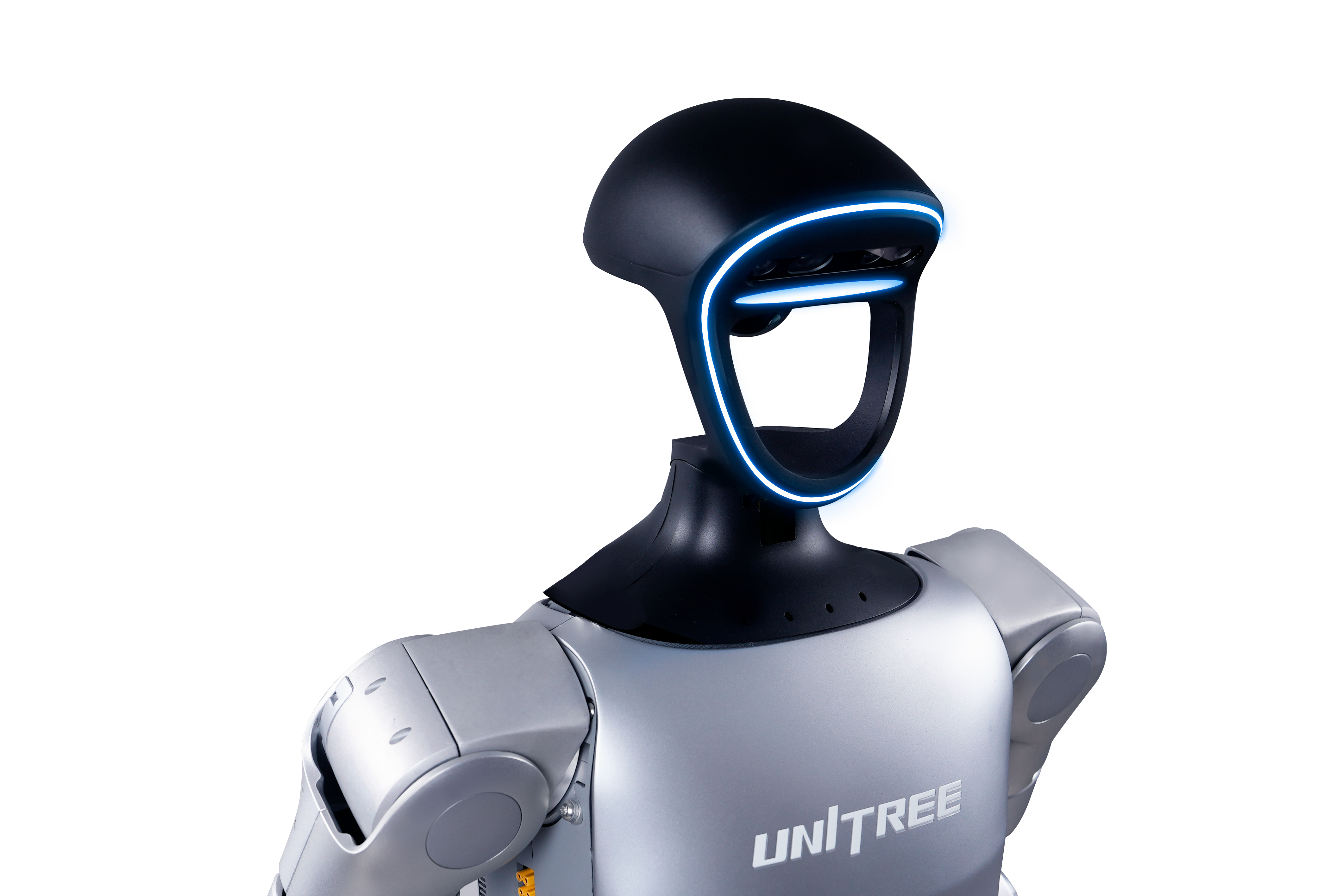
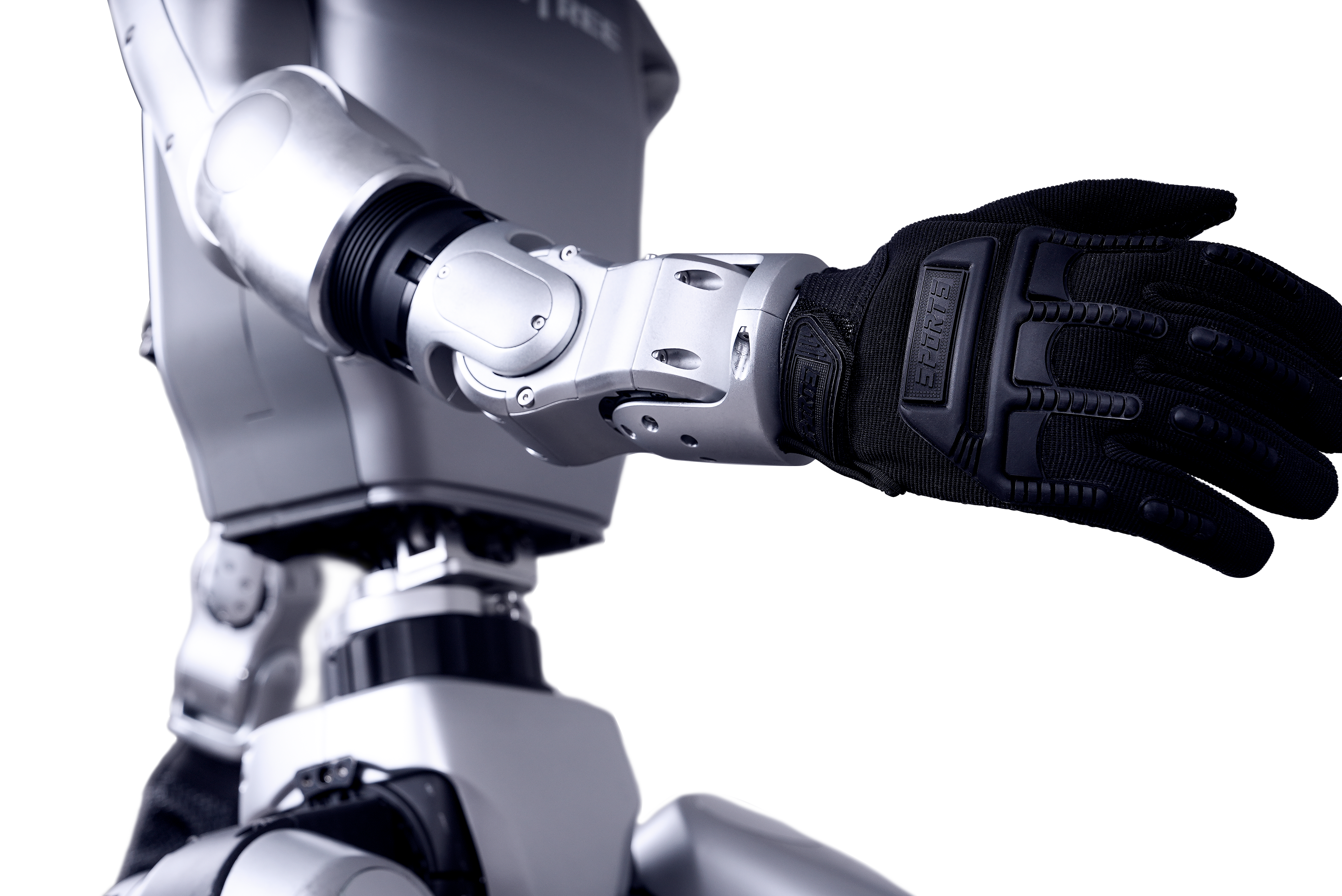
Secondary development
Degrees of freedom
Onboard AI compute

LIVOX MID360 standard
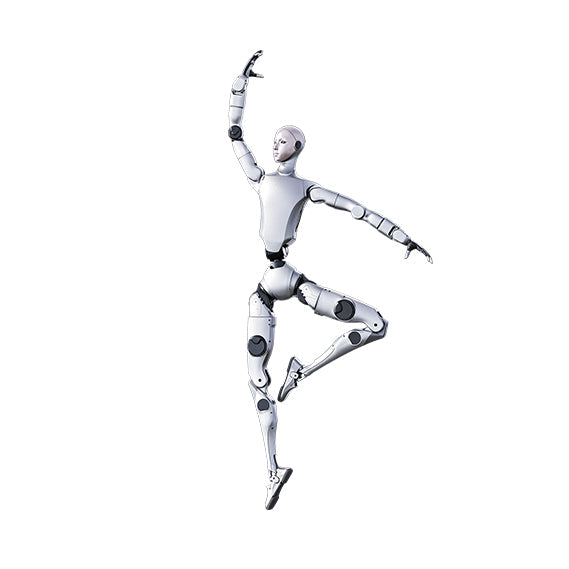
Standing height
Degrees of freedom

Peak leg joint torque

Rated arm payload
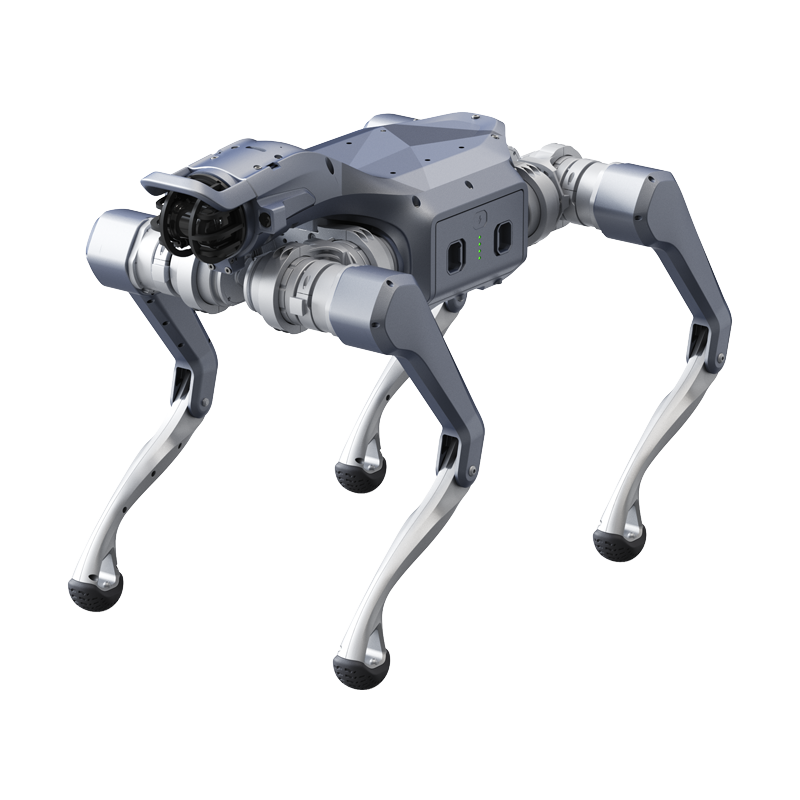
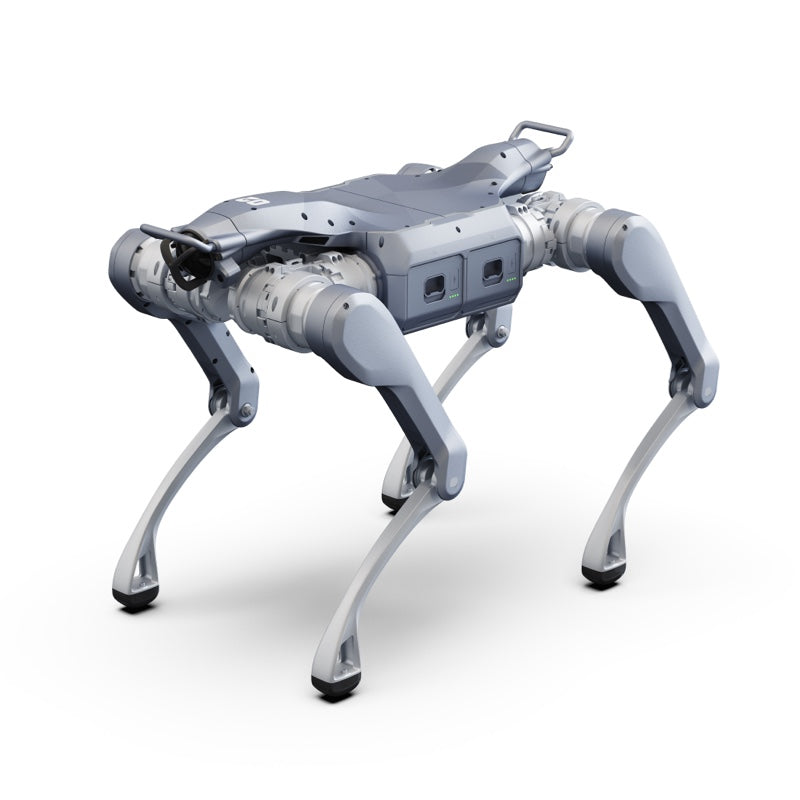
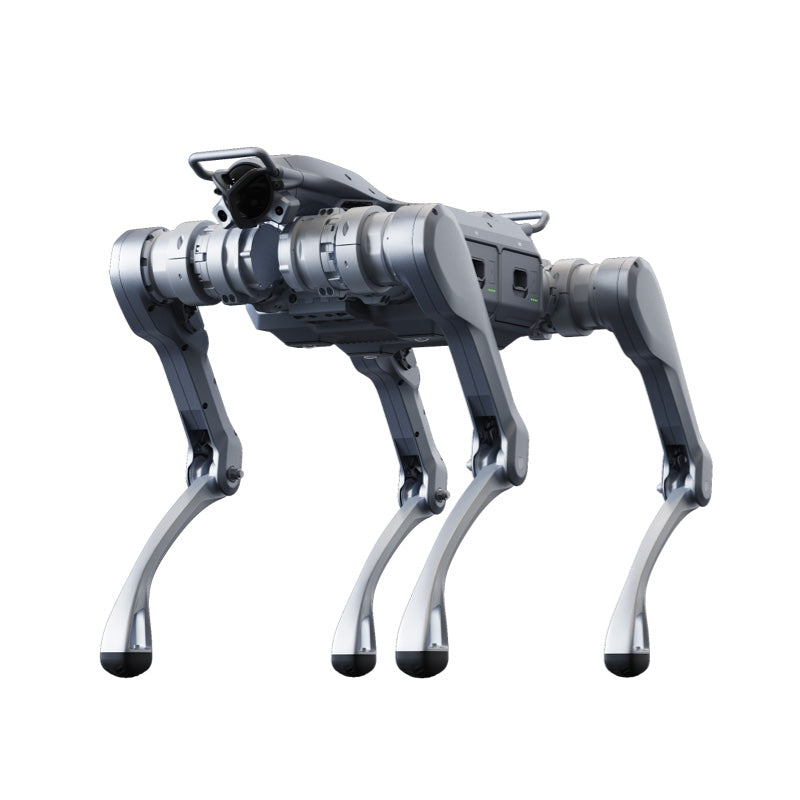

Weatherized build

Unloaded endurance
x1 on A2, x2 on A2 Pro

Max speed
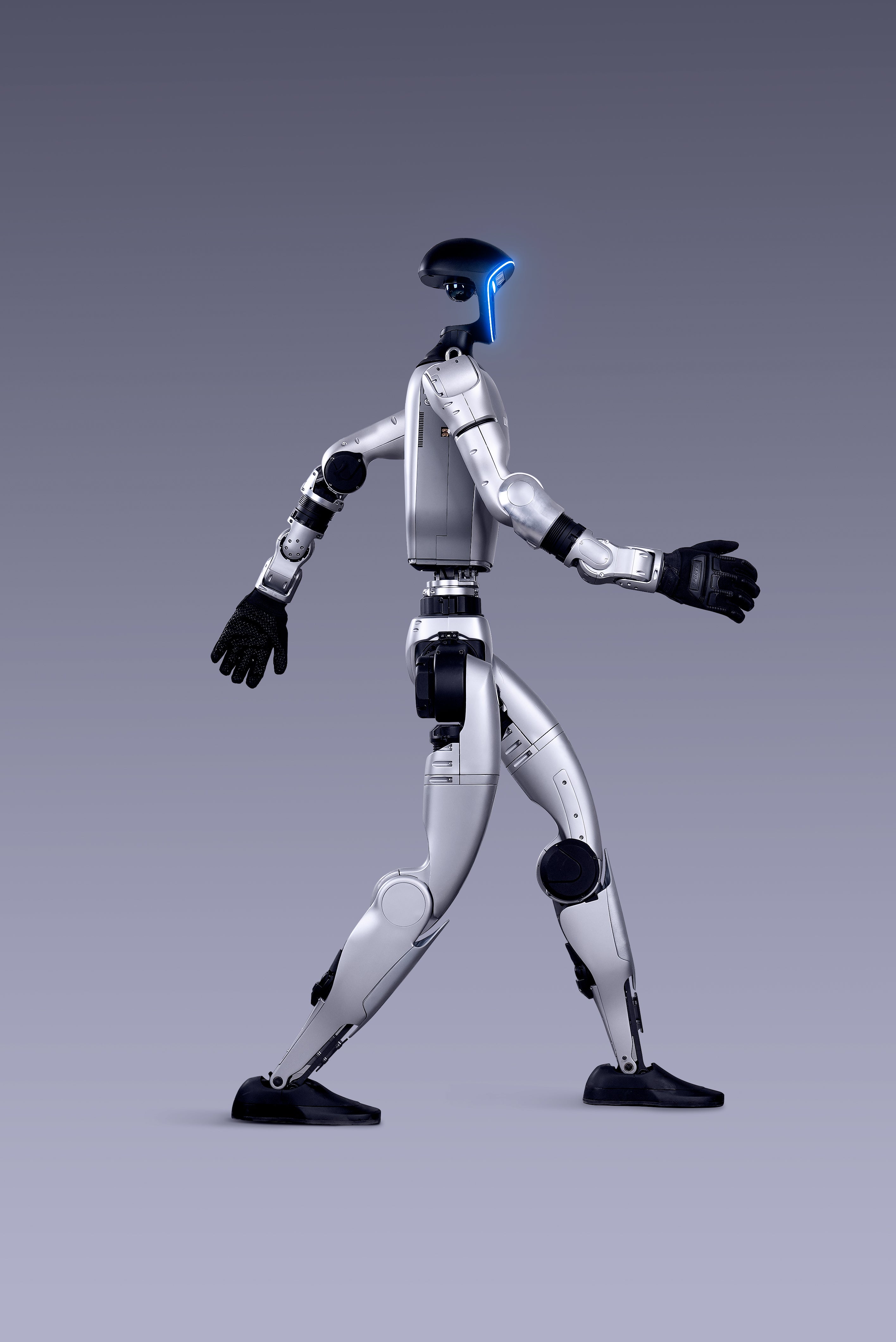
Standing height
Total weight
Battery runtime

Dynamic locomotion
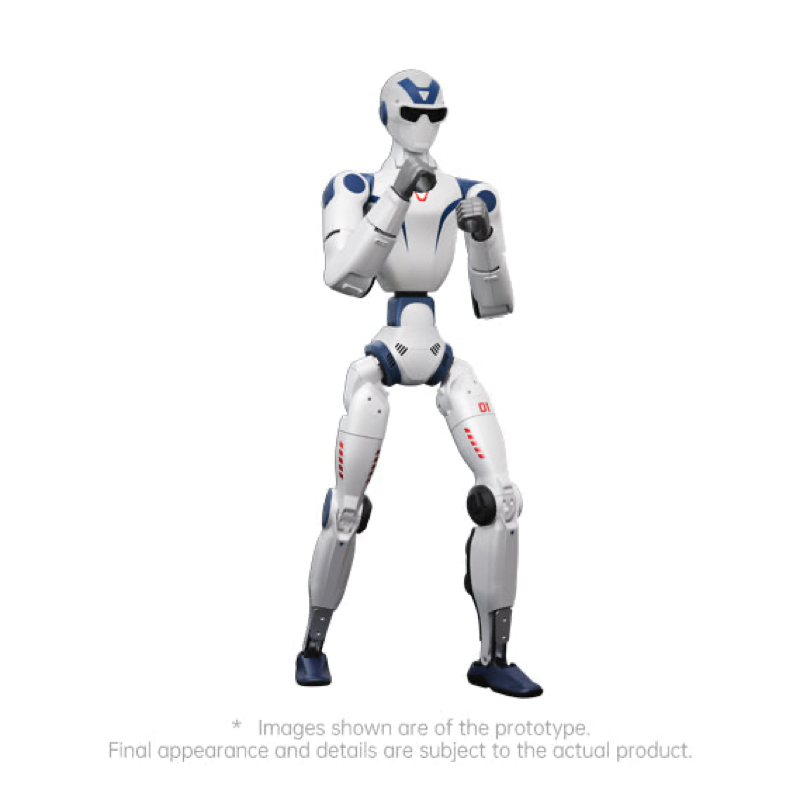
Unitree R1 Edu Pro Humanoid Robot
Secondary development
Degrees of freedom
Optional Orin compute
Total weight
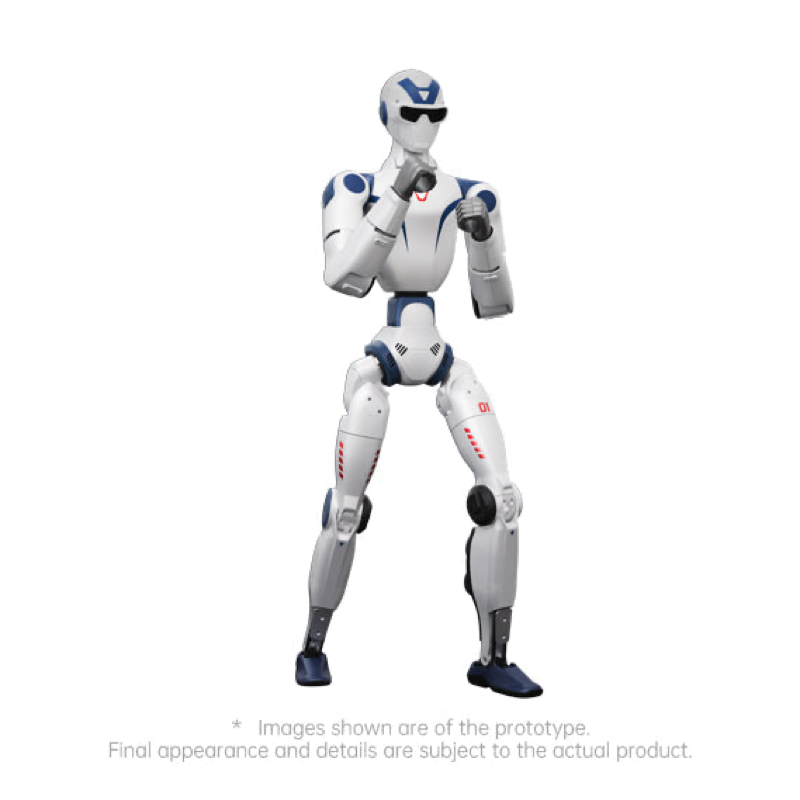
Secondary development
Degrees of freedom
Optional Orin compute
Depth camera
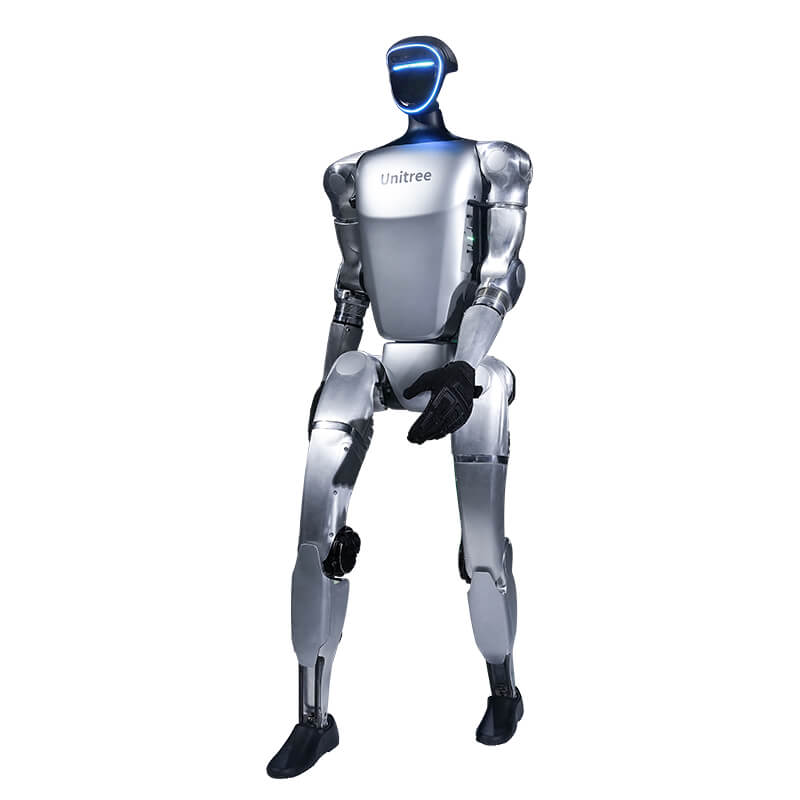
Degrees of freedom
MID360 + depth camera
Battery runtime
Weight with battery
Degrees of freedom
Jetson Orin compute
Depth camera
Total weight
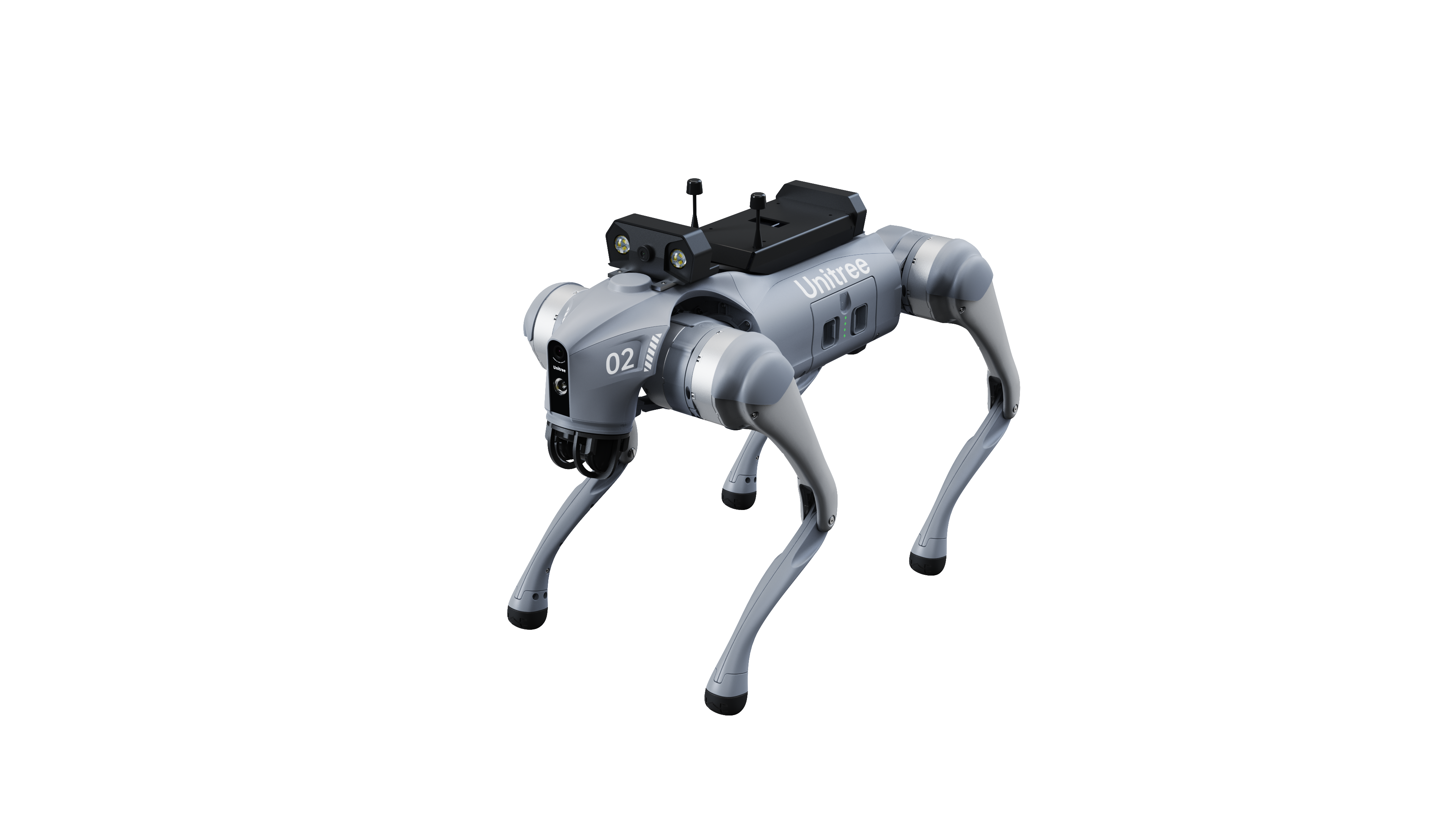
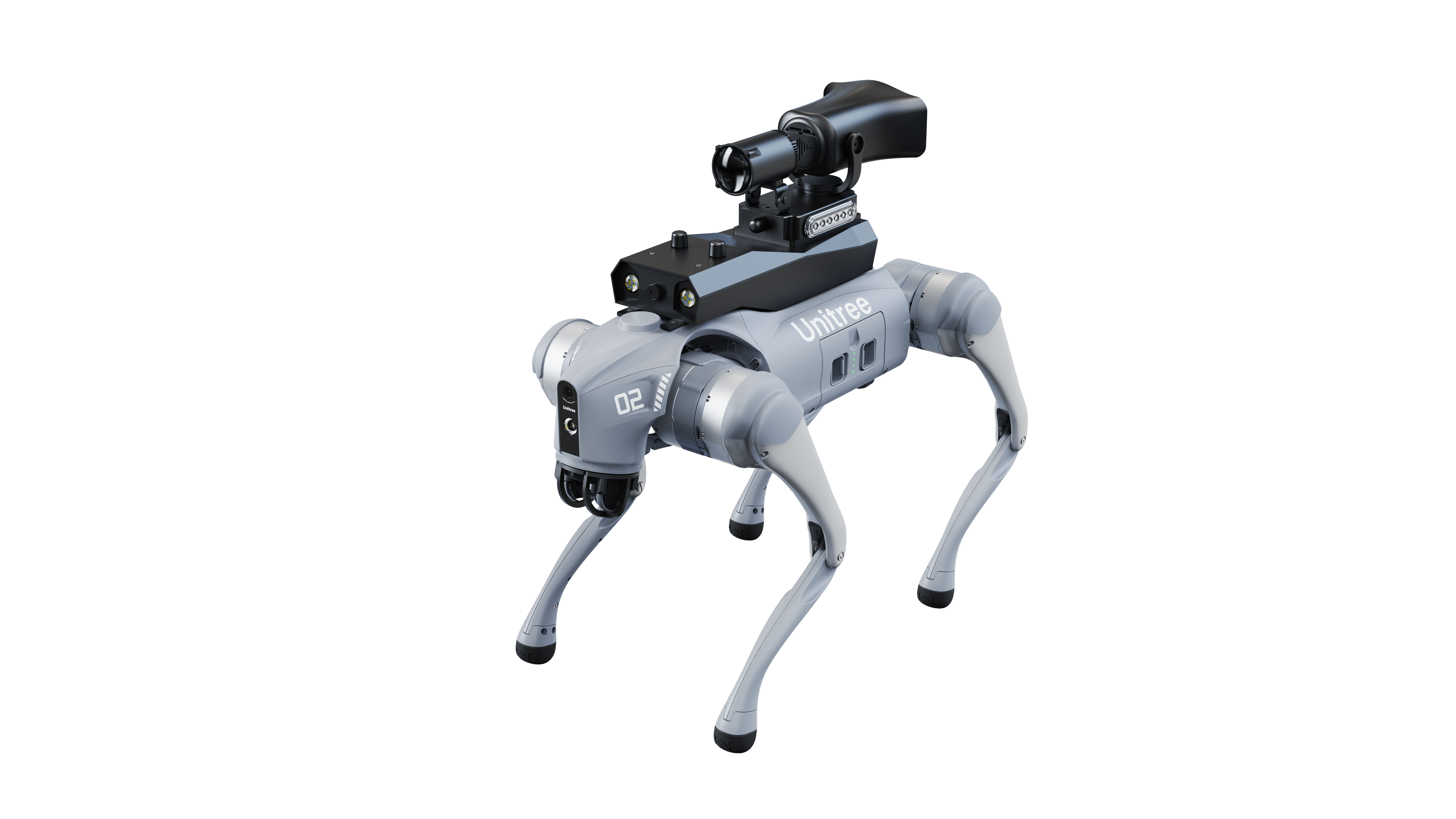
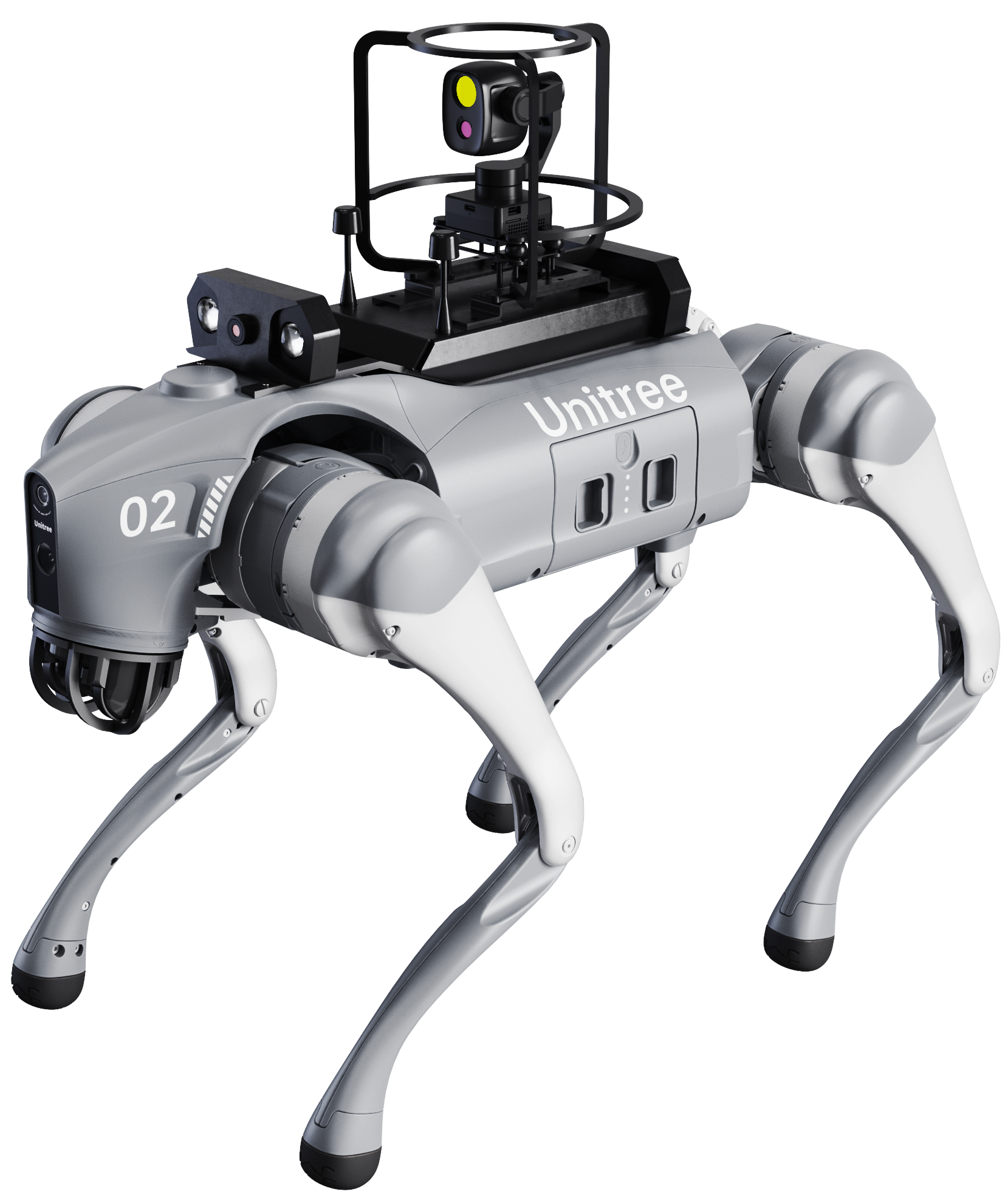
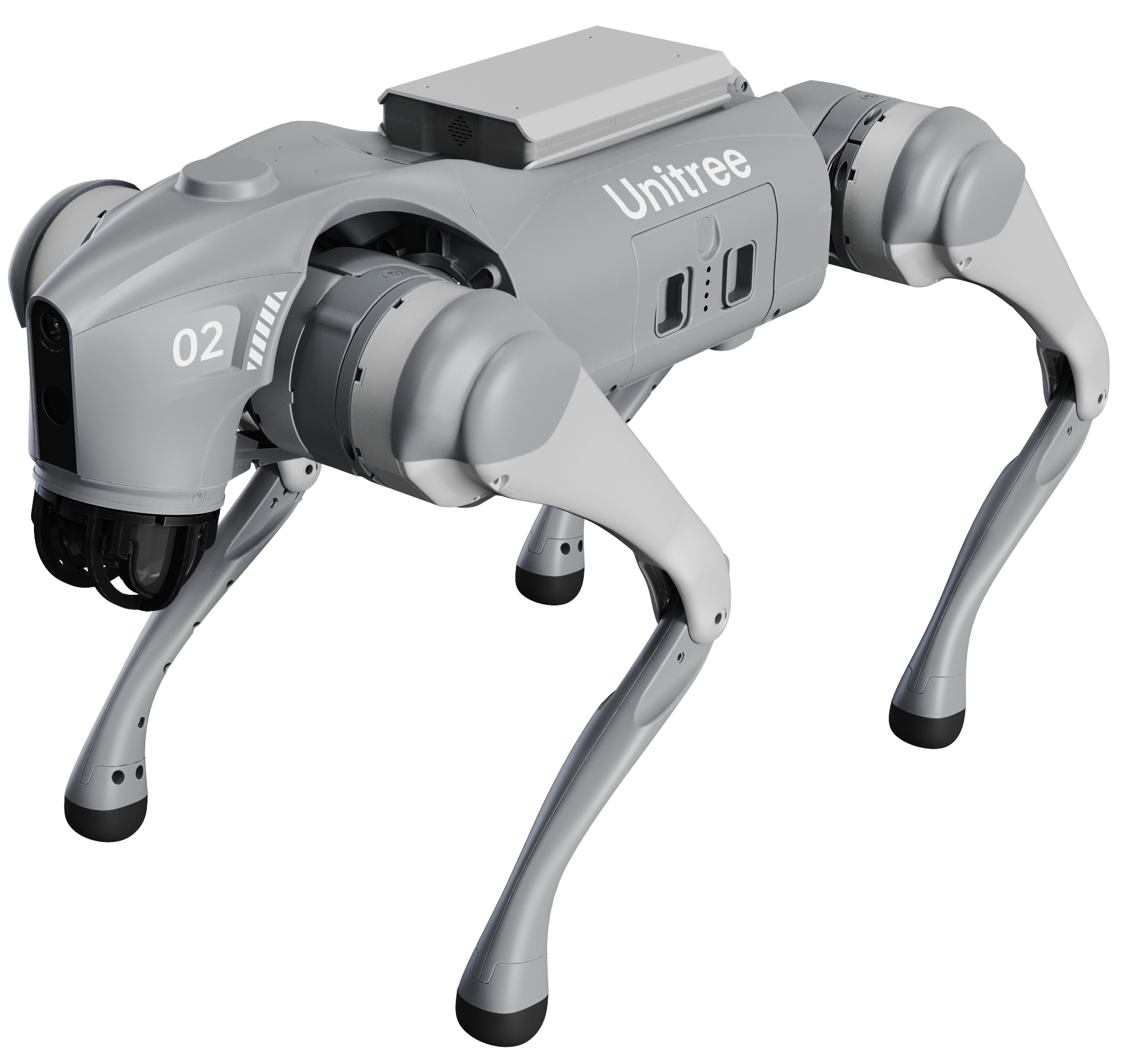
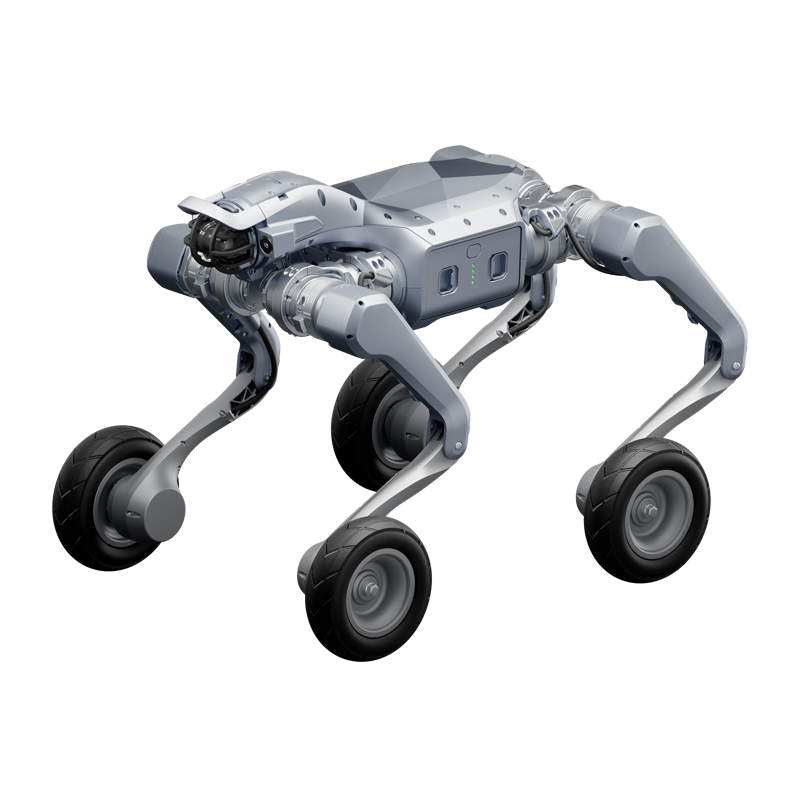
Unitree Go2 Ent Quadruped Robot
Obstacle avoidance
Mission payload options
Rough terrain
Long-range battery
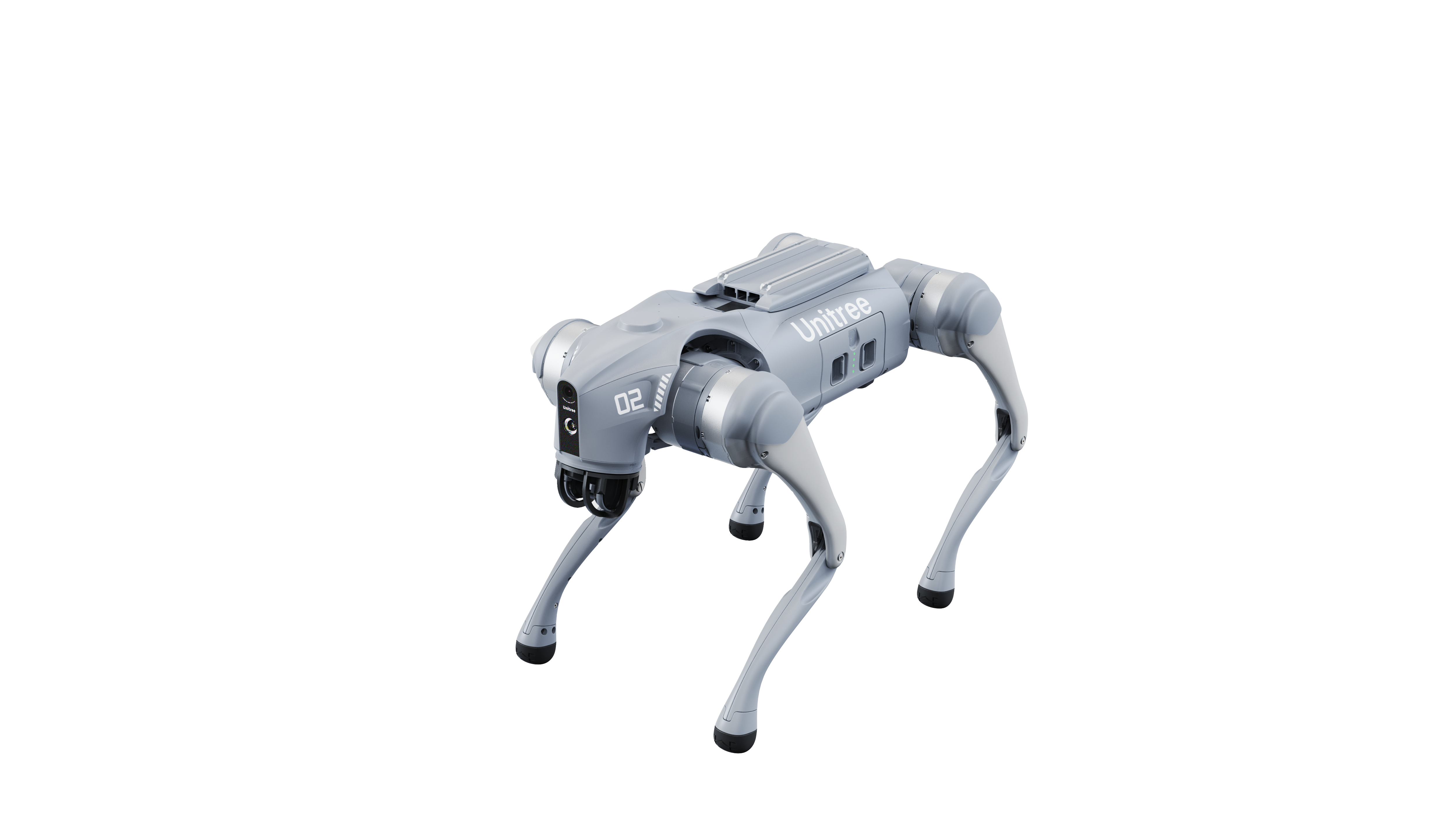
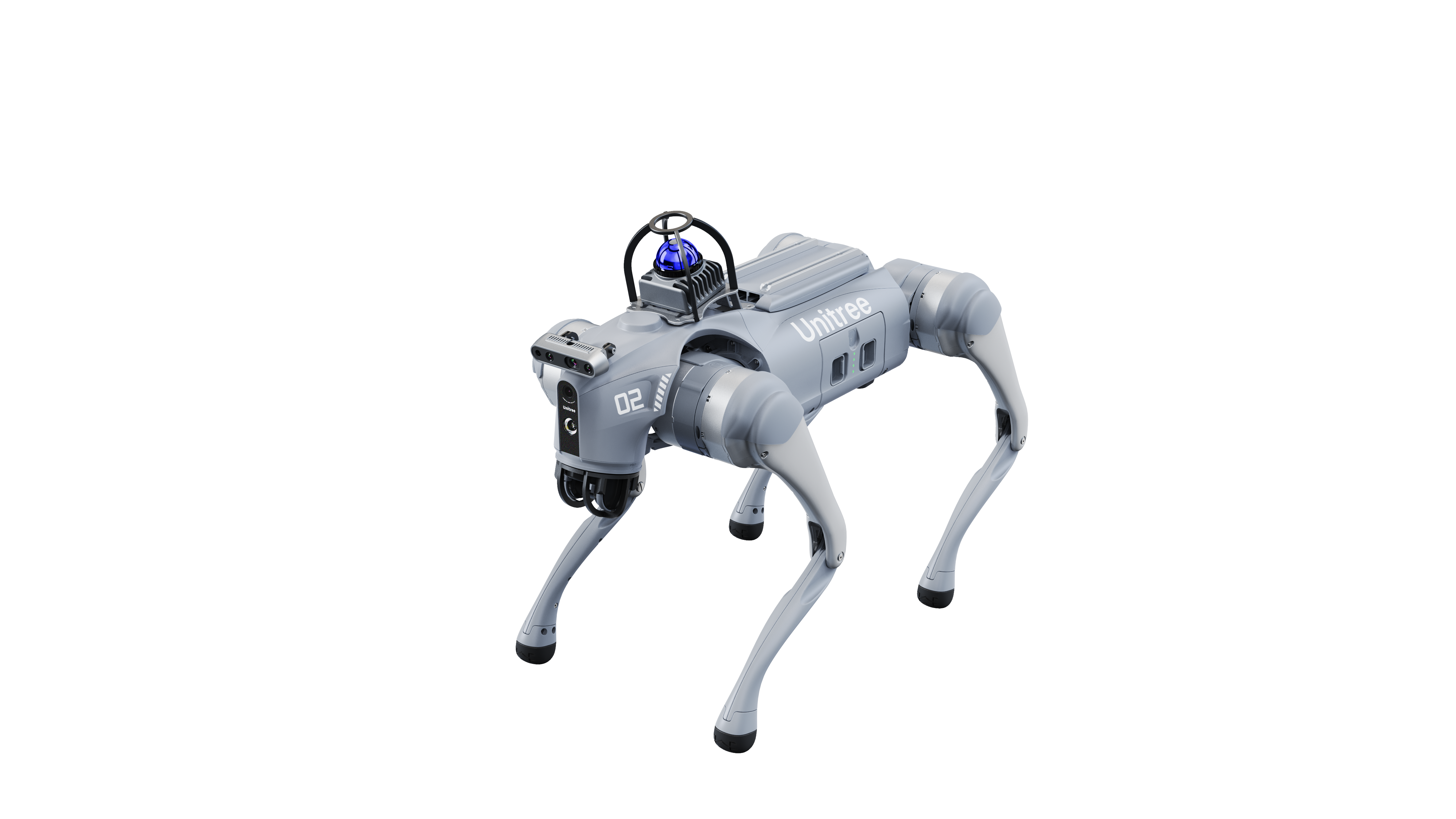
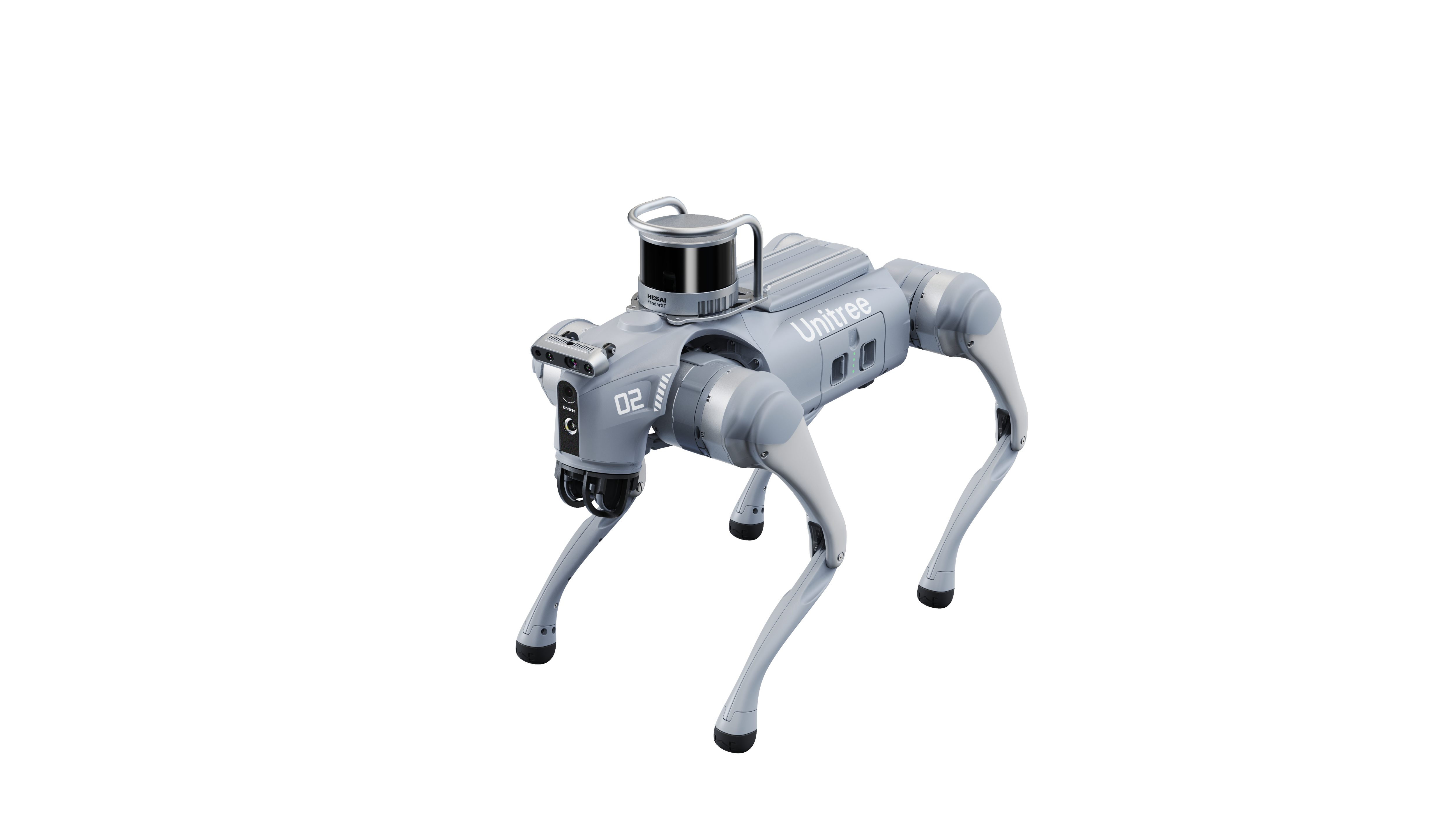
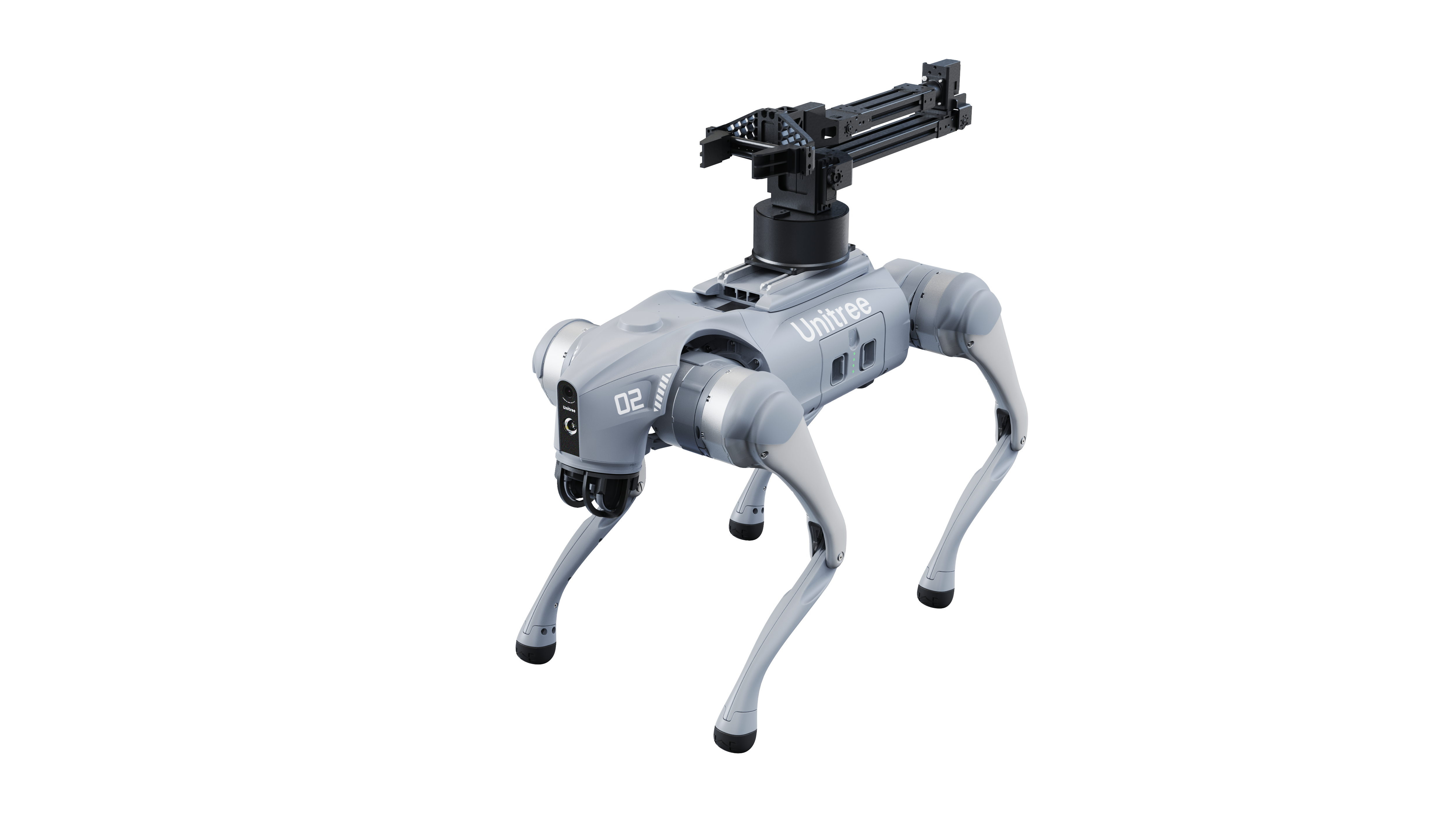
Unitree Go2 Edu Quadruped Robot
Full developer access
Jetson Orin compute
360°×96° perception
Low-level joint control
Degrees of freedom
Depth camera
Total weight
Standing height
Max speed
360° perception
Joint motors
Terrain capability
Degrees of freedom
Total weight
Standing height

Speech and vision
Degrees of freedom
Arm reach
Arm payload
Onboard AI compute

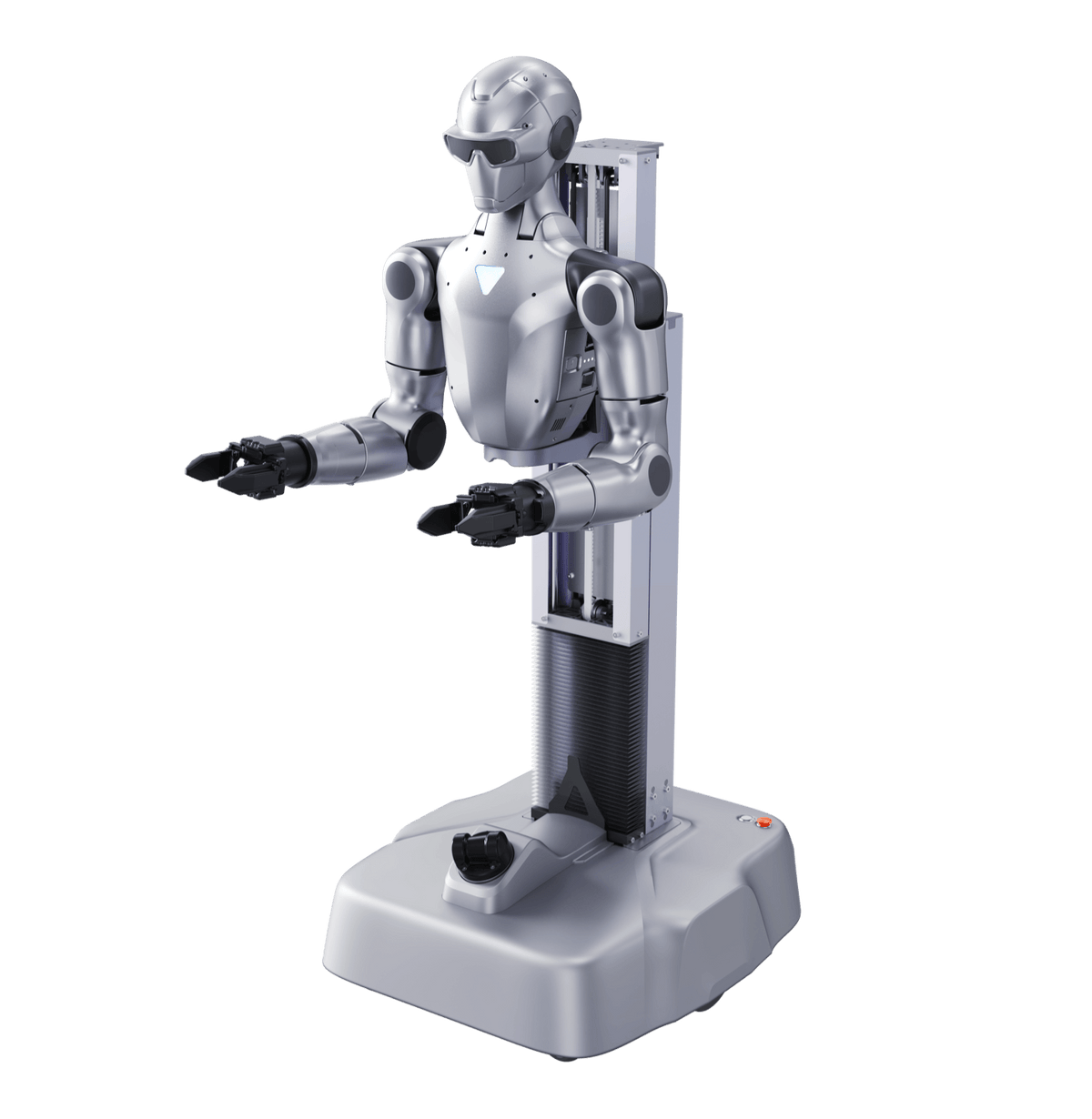
Degrees of freedom
Arm payload
Arm length
Onboard AI compute
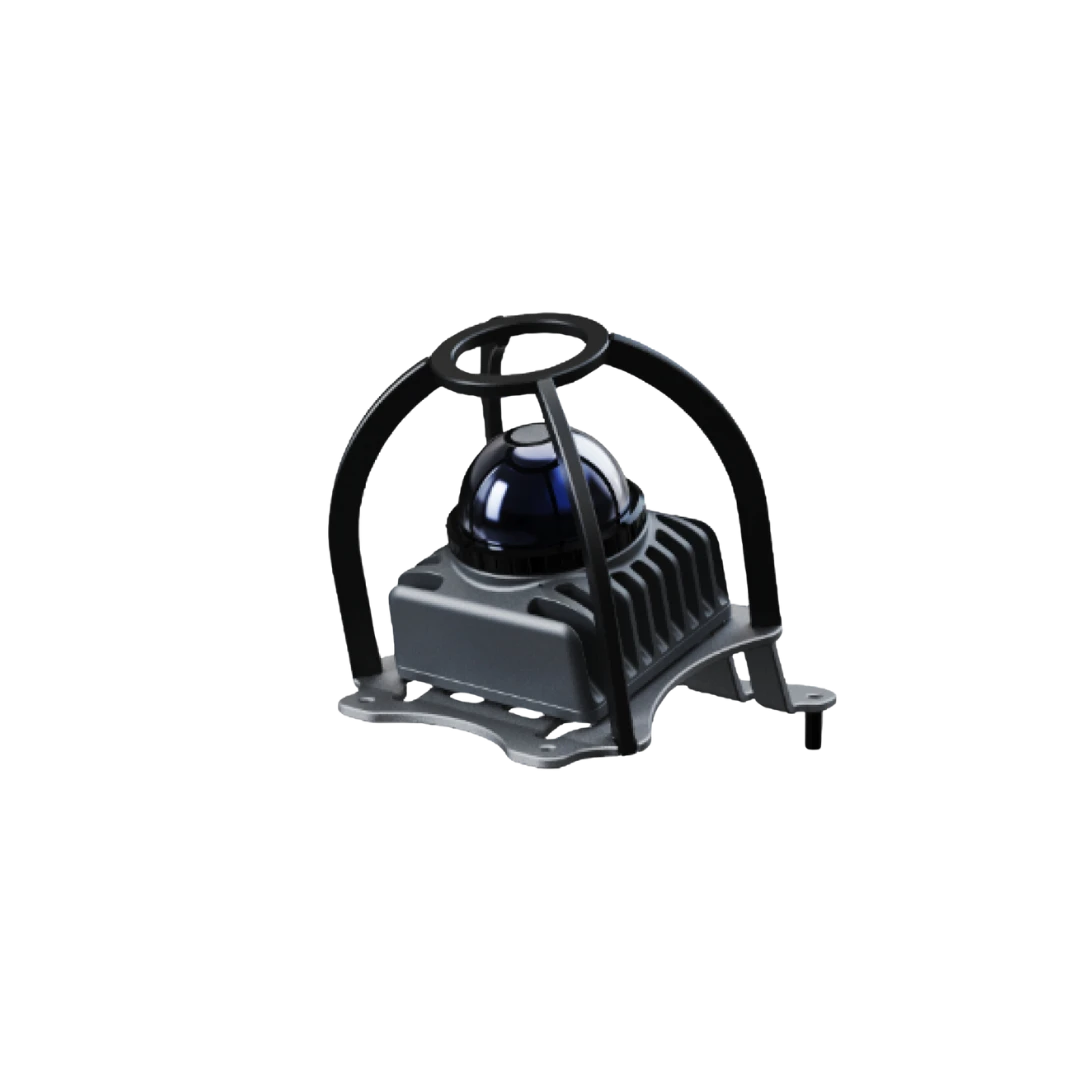
Horizontal field of view

Laser wavelength

Vertical field of view
Power supply voltage
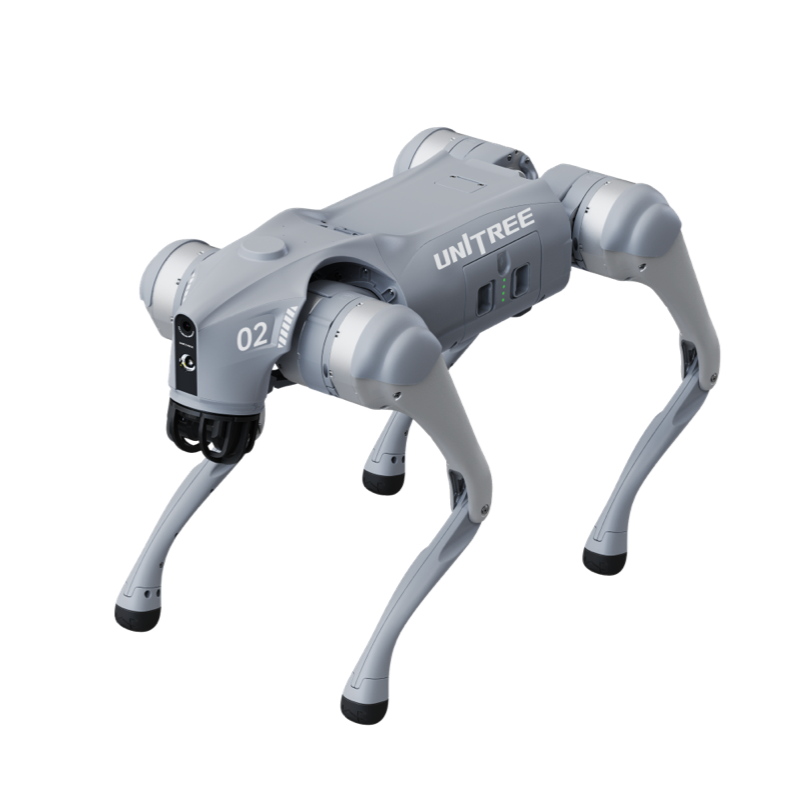
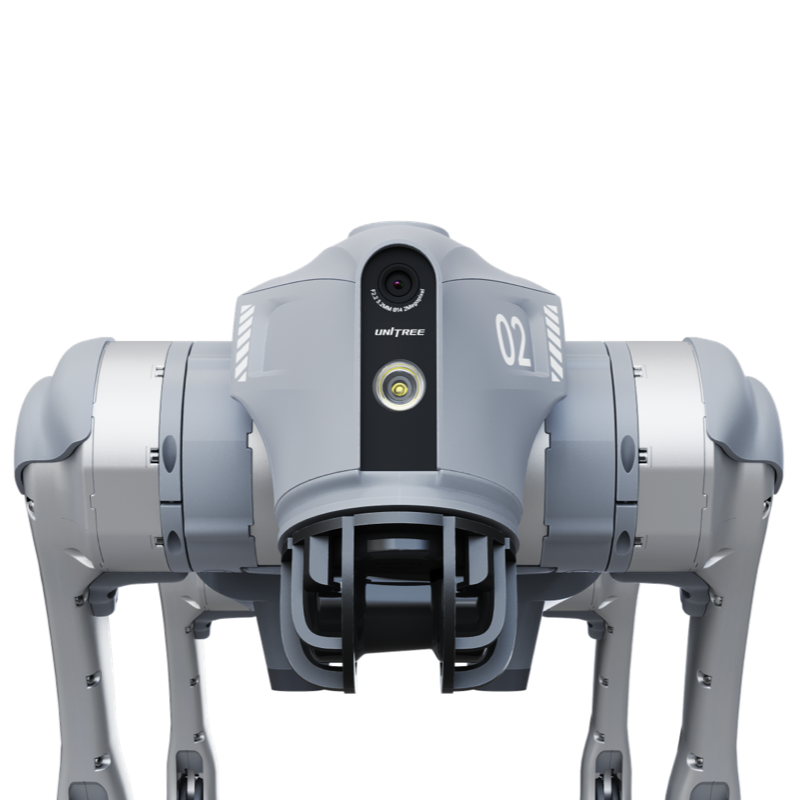
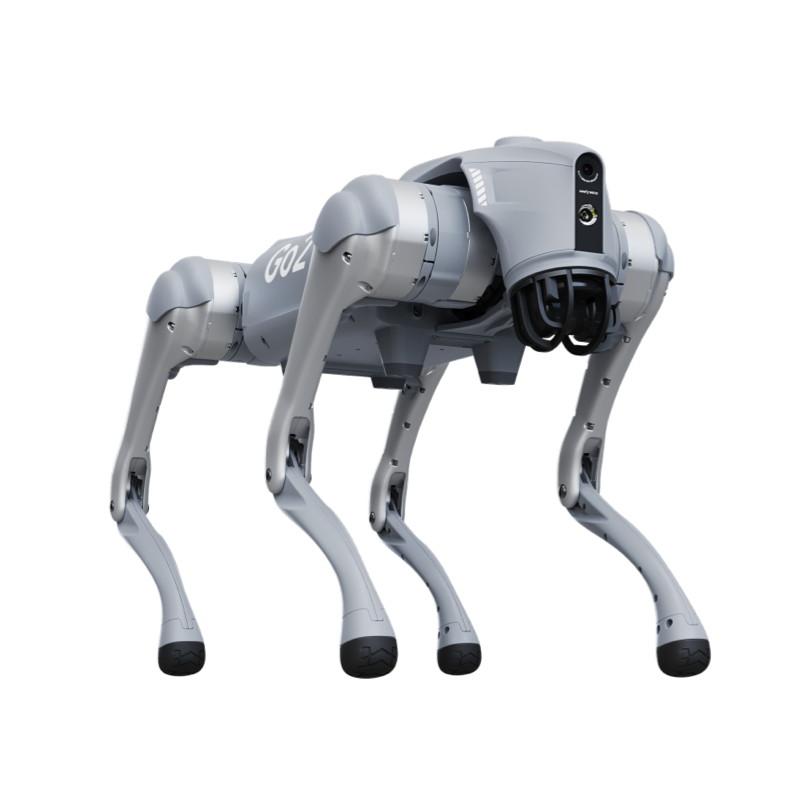
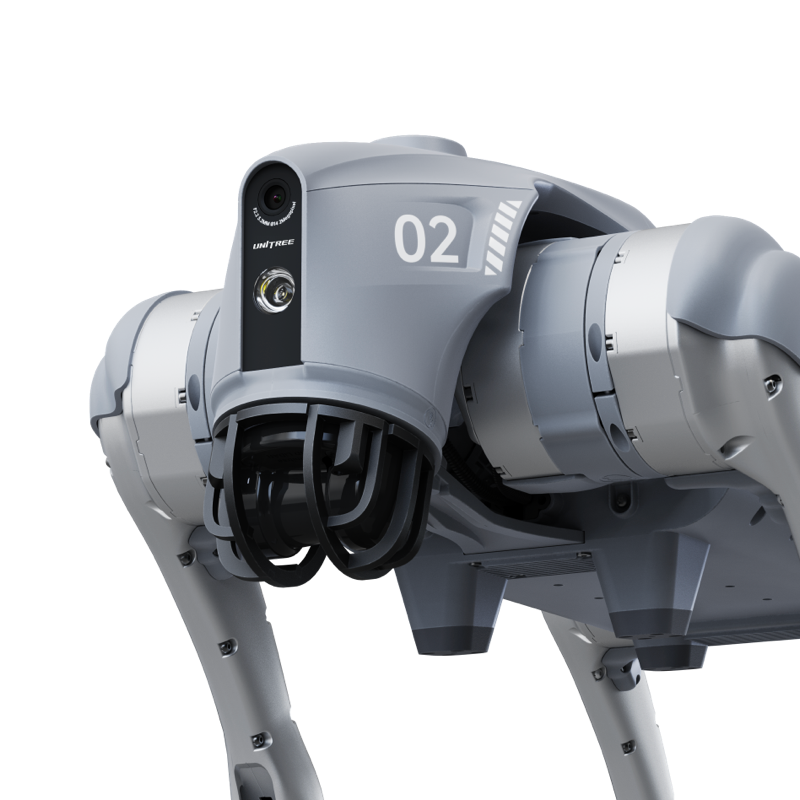
Max speed
360°×96° perception
Precision joint motors
Max terrain climb
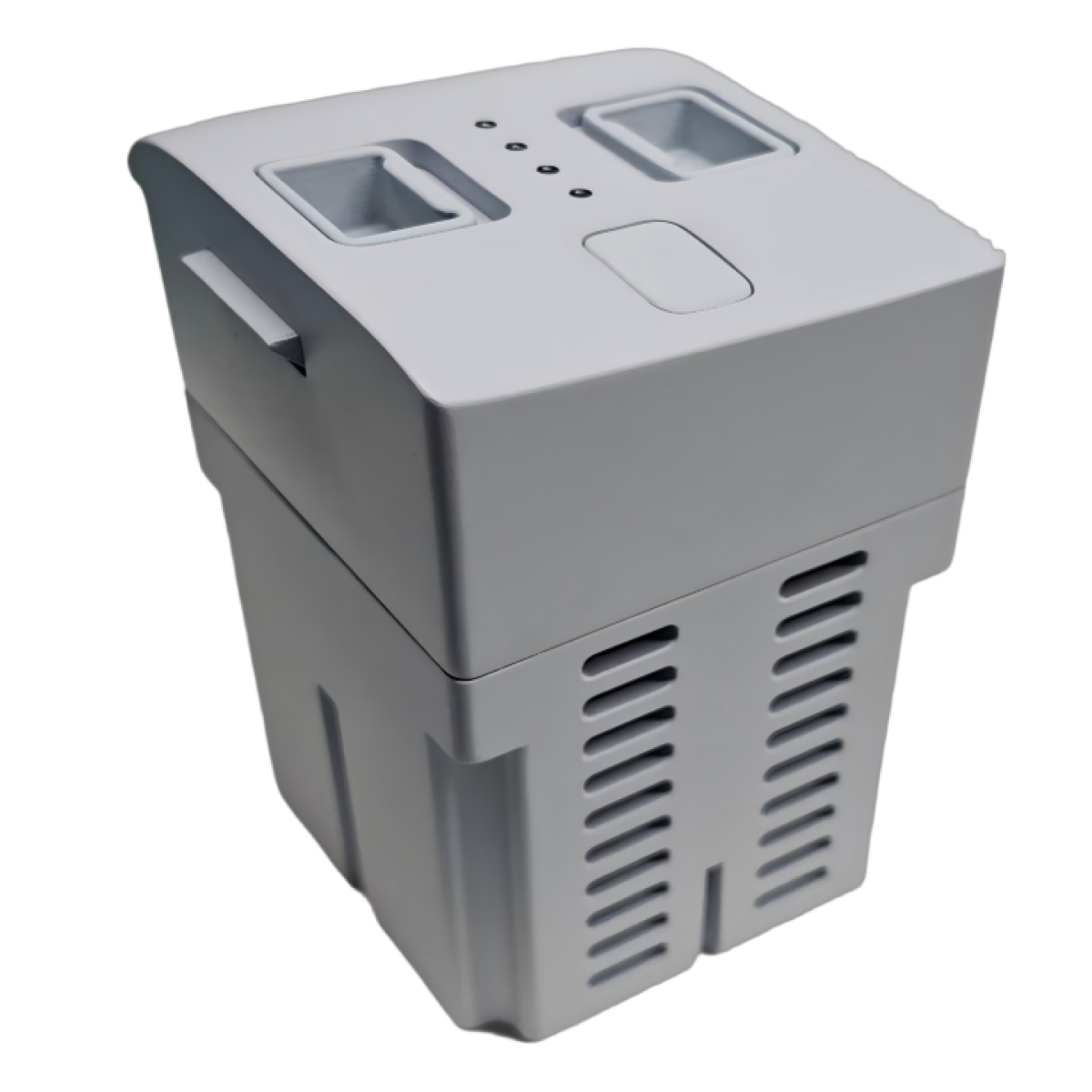

Runtime per charge
Battery capacity
Maximum voltage
Battery management
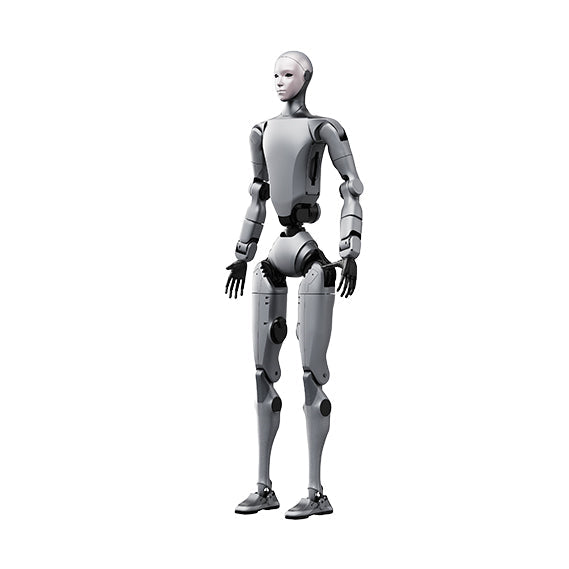
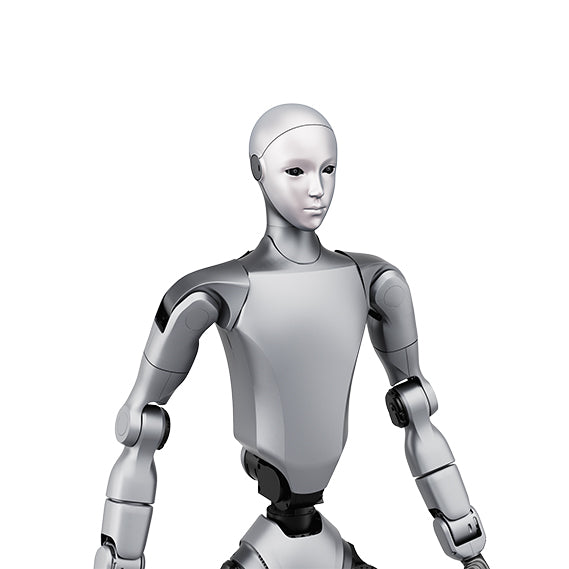
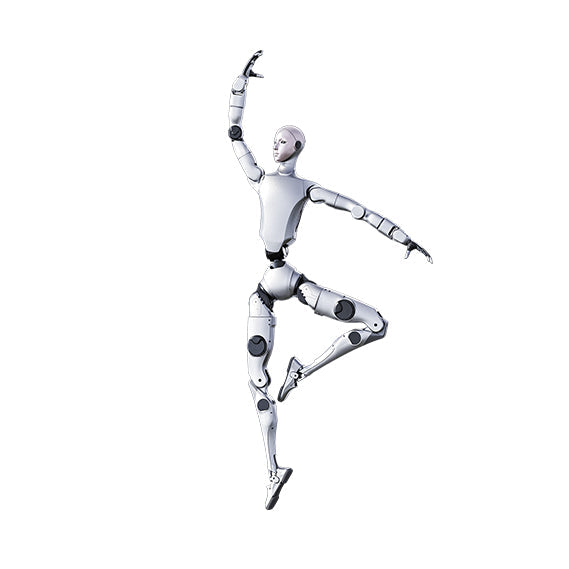
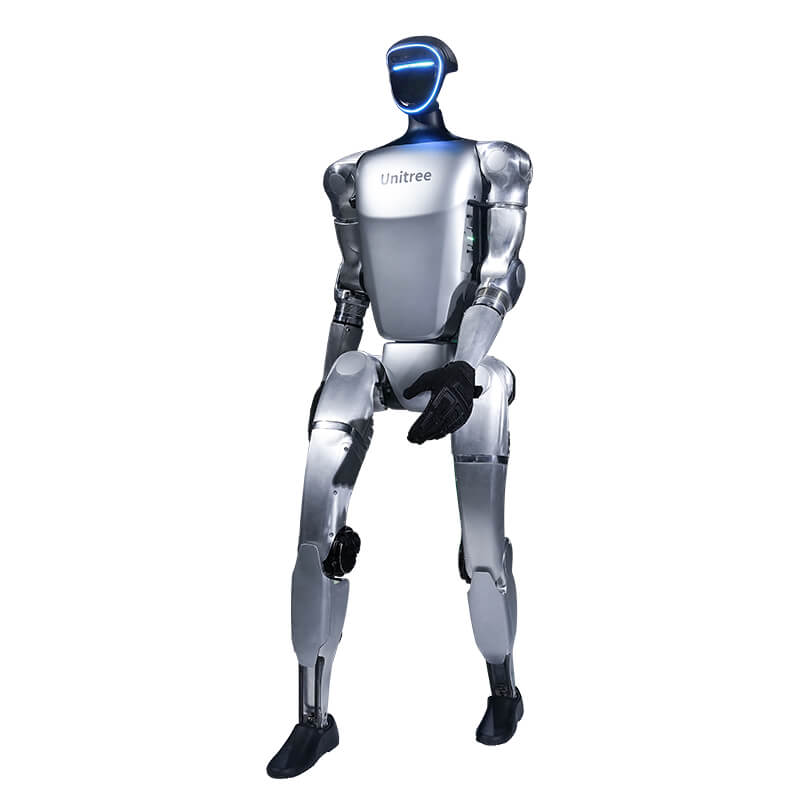
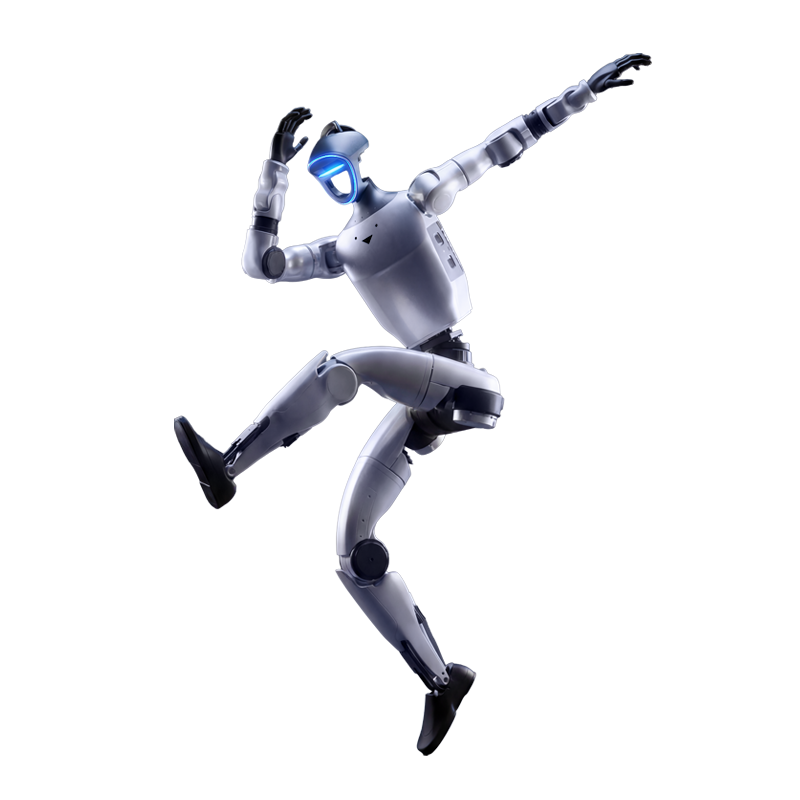
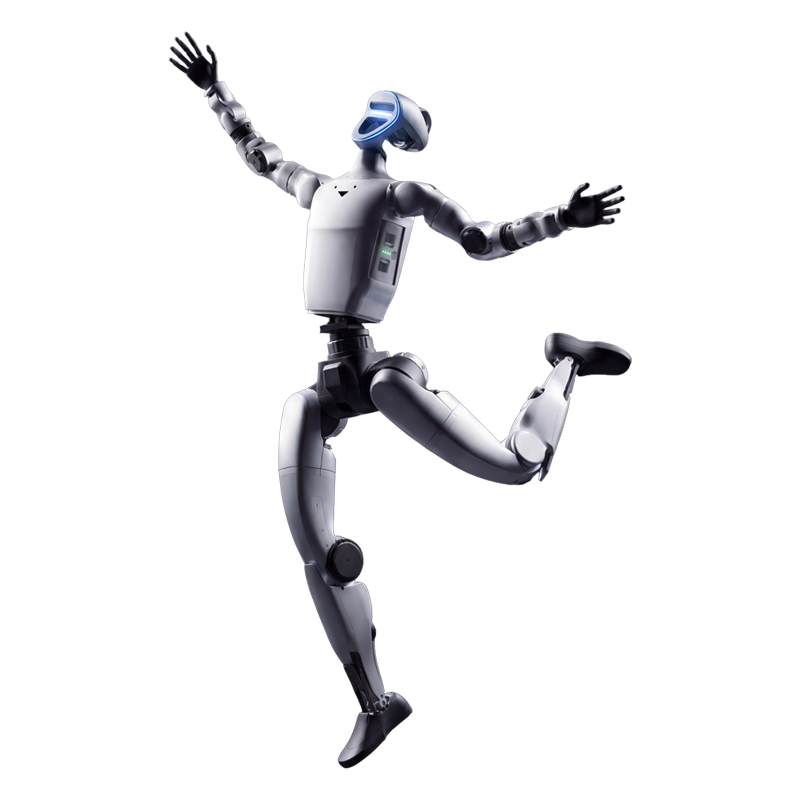
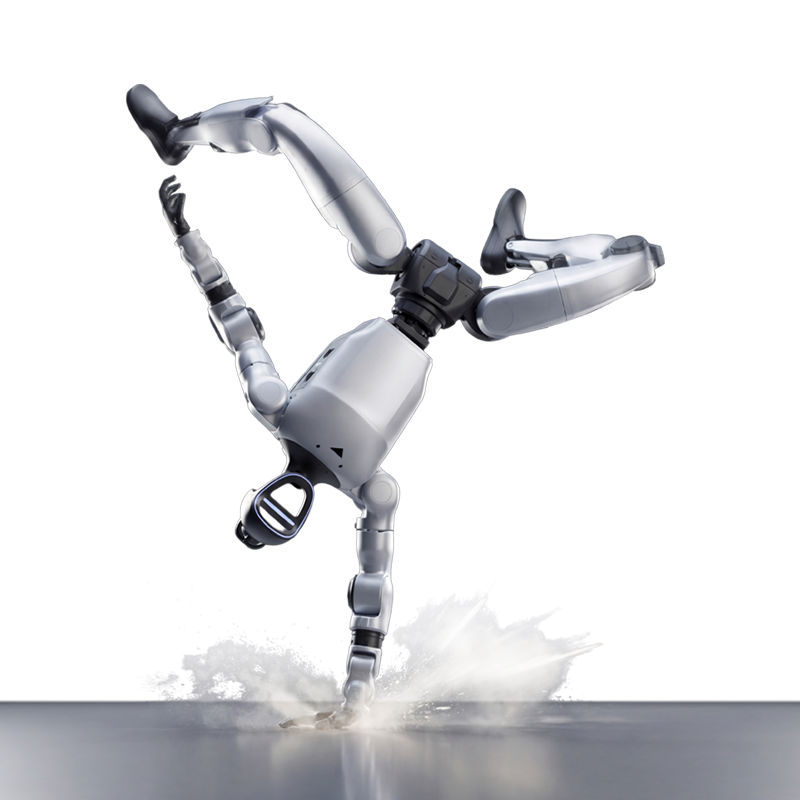
Unitree H2 Edu: the research humanoid at the top of the range
The H2 is Unitree's full-size platform, built for labs that need real articulation and low-level control rather than a demonstration robot. 1.82 m (6 ft) tall, 31 degrees of freedom, and open to secondary development.
Built for research, not demos
Full SDK access and low-level joint control, so the platform is the starting point rather than the deliverable.
Optional Jetson Thor at 2,070 TOPS
Run perception and policy models onboard instead of tethering the robot to a workstation.
Verified US equipment authorization
We only list Unitree models whose FCC grant we have checked, which is why some variants are absent.

This is the complete Unitree robots catalog at Global Drone HQ: the Go2 series robot dogs, Go2-W wheeled quadrupeds, the AS2 and A2 industrial quadrupeds, the G1, R1, and H2 humanoid robots, and the R1-A5 and R1-A7 dual-arm platforms. Every unit is sourced through Unitree's authorized US distribution and backed by US-based support and repair service, with formal quotes and purchase orders supported for university, agency, and enterprise buyers.
Unitree pricing is confusing across the web, so we publish the real numbers. Every price on this page is distributor-verified, from a $3,790 robot dog to a $73,900 research humanoid.
Buying guideHow to choose: the four decisions that set your price
Most buyers do not need a spec-sheet comparison. They need answers to four questions. Get these right and the correct model usually picks itself.
1Do you need to program it?
The base G1, base H2, and base R1 do not support secondary development. There is no SDK access on base units, and no upgrade path to an Edu unit later. Research, custom software, or student programming means an Edu configuration from day one. This fork roughly triples humanoid pricing: the R1 lineup runs $6,870 to $32,900 and the G1 lineup runs $21,600 to $73,900. Buy a base unit only for demonstration and telepresence use you will never write code for.
2How much onboard compute?
Base units ship with an 8-core CPU that handles locomotion and stock behaviors. Edu tiers add an NVIDIA Jetson Orin delivering 100 TOPS for perception, autonomy, and onboard model inference. The H2 Edu supports top-tier AI compute options for teams running large models at the edge. Planning SLAM, vision pipelines, or learned policies onboard? Budget for the Jetson-equipped tiers.
3Which hands?
On humanoids, end effectors change both capability and price materially. A simple gripper covers demos and basic pick-and-place. Three-finger hands add real manipulation for research. Five-finger dexterous hands are the requirement for serious manipulation and imitation-learning work, and they are a significant line item on their own. Two G1 Edu quotes can differ by five figures on hands alone.
4Walking robot, or data-acquisition platform?
If your goal is teleoperation datasets and imitation-learning data, legs may be the wrong thing to pay for. The G1-D data-acquisition series ($38,800 to $66,300) and the dual-arm R1-A5 and R1-A7 platforms (from $4,290 in desk-mount form) are often more productive per dollar. Labs frequently buy one walking humanoid and several dual-arm stations.
The single most expensive mistake buyers make is ordering a base unit for a research program. There is no upgrade path from base to Edu. If your team may ever need SDK access, order the Edu configuration up front, because the alternative is buying a second robot.
Unitree robot prices: every model we sell
| Model | Best for | Price |
|---|---|---|
| Humanoid robots | ||
| R1 Air | Lowest-cost humanoid, demos and STEM exposure | $6,870 |
| R1 Basic | Entry humanoid with more capability, no SDK | $8,990 |
| R1 Edu Standard | Cheapest programmable humanoid, classrooms | $15,950 |
| R1 Edu Smart | Programmable humanoid with upgraded sensing | $18,900 |
| R1 Edu Pro | Full R1 research configurations | $19,800 to $32,900 |
| G1 | Flagship humanoid, demonstration use, no SDK | From $21,600 |
| G1 Pro | Upgraded G1 hardware for non-developers | $27,990 |
| G1 Edu Standard | Entry research G1 with SDK and Jetson compute | $43,900 |
| G1 Edu Plus | Research G1 with expanded manipulation options | $53,900 |
| G1 Edu Pro | Advanced research configurations | $45,900 to $56,900 |
| G1 Edu Ultimate | Maximum-spec G1 with dexterous hands | $55,900 to $73,900 |
| G1-Comp Athletic | Competition and athletic performance builds | $48,900 |
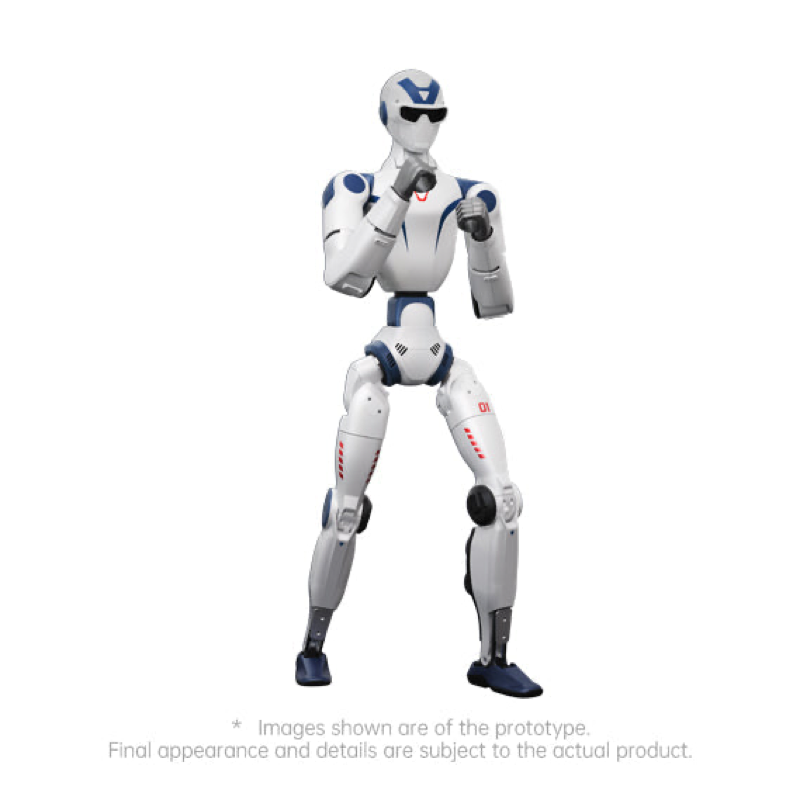
| G1 Edu Combat | Boxing and combat demonstration events | $63,900 |
| G1-D | Imitation-learning data acquisition | $38,800 to $66,300 |
| H2 | Full-size humanoid, demonstration use, no SDK | $40,900 |
| H2 Edu | Full-size research humanoid, top-tier AI compute options | $68,900 |
| Quadruped robots | ||
| Go2 Pro | Most affordable robot dog, personal and demo use | $3,790 |
| Go2 X | Upgraded consumer quadruped | $7,600 |
| Go2 Edu | Programmable robot dog for research and teaching | From $11,190 |
| Go2 Ent | Enterprise deployments and integrations | From $13,205 |
| Go2-W | Wheeled quadruped for mixed terrain and speed | From $13,000 |
| Go2-W Inspection Package | Turnkey industrial inspection kit | $32,299 |
| AS2 | Mid-class industrial quadruped | $9,500 to $19,900 |
| A2 | Heavy-payload industrial inspection | $31,900 to $46,900 |
| B2 series | Flagship industrial quadruped, public safety and energy | Quoted per deployment |
| Dual-arm platforms | ||
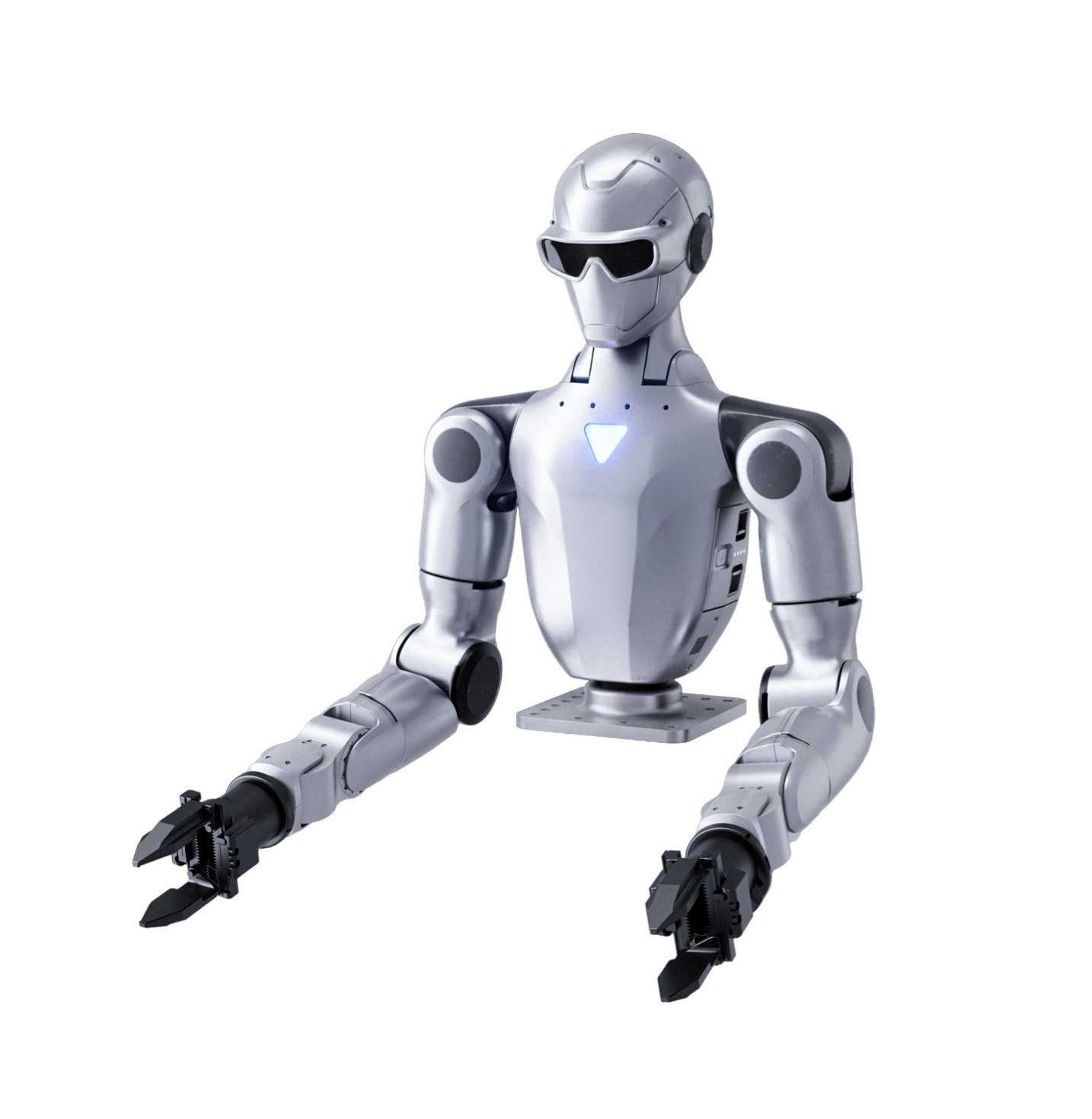
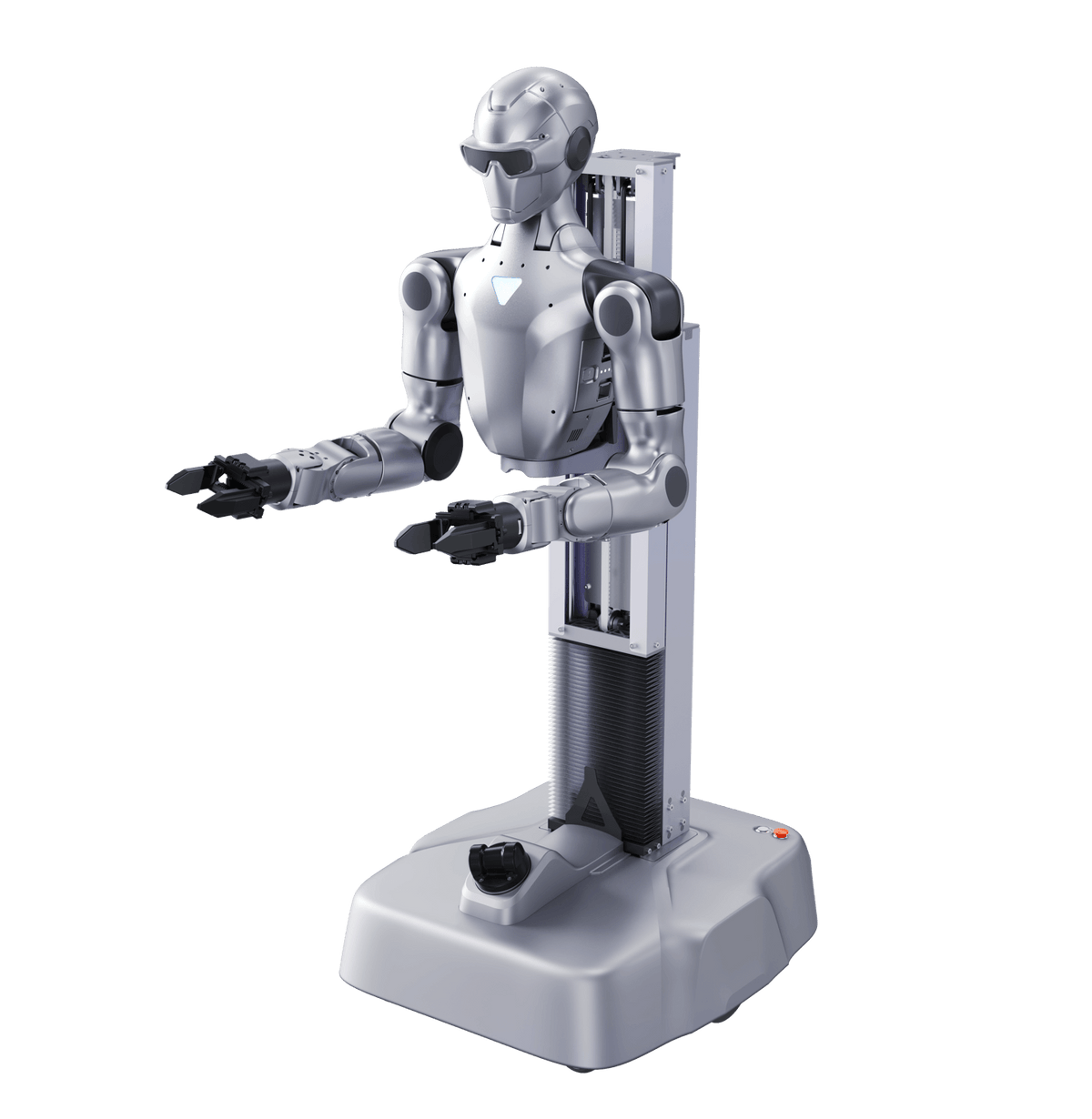
| R1-A5 | Dual-arm manipulation, desk mount or mobile base | $4,290 to $23,890 |
| R1-A7 | 7-DOF dual-arm platform, desk mount or mobile base | $4,890 to $24,490 |
Prices last verified August 2026. Configurations, end effectors, and accessories affect final pricing. Request a quote for an exact figure on your build.
Regulatory status: current Unitree models were FCC-authorized before the July 28, 2026 Covered List action and remain available for purchase in the US. If your organization has compliance review requirements, read our FCC guide for buyers and verify against your own procurement policies.
Browse by category
- Humanoid robotsR1, G1, and H2 series
- Robot dogsGo2, Go2-W, AS2, A2, and B2 quadrupeds
- Robotic armsR1-A5 and R1-A7 dual-arm platforms
- AccessoriesBatteries, chargers, gantries, and spare parts
Guides
- Buyer's guide 2026Which robot is right for you, every model compared
- Price guide 2026Every model and what it costs, verified
- G1 configurationsBase vs Pro vs every Edu tier
- Go2 series guidePro vs X vs Edu vs Ent vs Go2-W
- FCC Covered List guideWhat US buyers need to know
Unitree robots: frequently asked questions
How much does a Unitree robot cost?
Robot dogs start at $3,790 for the Go2 Pro. Humanoids start at $6,870 for the R1 Air, with the flagship G1 from $21,600 and the full-size H2 at $40,900. Research configurations run higher: programmable Edu humanoids range from $15,950 (R1 Edu Standard) to $73,900 (G1 Edu Ultimate). All prices on this page were verified with US distribution in August 2026.
Can the base G1 be programmed?
No. The base G1, base H2, and base R1 do not support secondary development and have no SDK access. They run Unitree's stock behaviors and teleoperation only. Programming, research, and custom development require an Edu configuration.
Can I upgrade a base unit to an Edu unit later?
No. There is no upgrade path from a base unit to an Edu unit. If you may ever need SDK access, buy the Edu configuration up front, because the alternative is buying a second robot.
What is included in the price, and what costs extra?
Each robot ships as a complete working unit with a battery, charger, and remote as specified on its product page. Common add-ons priced separately include spare batteries, a support gantry for humanoid development (about $850), three-finger or five-finger dexterous hands, extended compute options, and shipping. Your quote itemizes everything so there are no surprises.
Do you accept purchase orders and provide formal quotes?
Yes. We work with universities, government agencies, and enterprises regularly, and we provide formal quotes, W-9 and vendor paperwork, and purchase order support as standard.
What warranty and support applies?
Every robot we sell is sourced through Unitree's authorized US distribution, which means US-based support and repair service rather than shipping your robot overseas for warranty work. Warranty terms vary by model and are listed on each product page and quote.
Are Unitree robots legal to buy in the US?
Yes. Current Unitree models received FCC authorization before the July 28, 2026 Covered List action and remain available for US purchase. Organizations with specific procurement rules should review our FCC guide for buyers and confirm against their own compliance requirements.
How fast is delivery?
Popular configurations often ship quickly from US distribution stock. Built-to-order configurations, industrial packages, and units with custom end effectors can take several weeks. Every quote includes a current lead time for your exact configuration.
Which Unitree robot is best for university research?
For manipulation and humanoid research, the G1 Edu tiers are the standard choice, with the R1 Edu Standard at $15,950 as the budget entry point. For locomotion, SLAM, and inspection research, the Go2 Edu is the workhorse. For imitation-learning data collection, consider the G1-D series or multiple R1-A5 or R1-A7 dual-arm stations instead of a second walking robot.
Not sure which configuration you need?
Tell us your use case and budget and we will spec the right robot, accessories, and configuration, then send a formal quote. Multi-unit, university, and agency pricing available.
Request a Quote