


Flight Without a Pilot on Site
A dock turns drone coverage from an event into infrastructure. The aircraft lives on site, launches on a schedule or an alert, flies the route, lands and recharges. Two systems dominate, and they differ mainly in ecosystem.

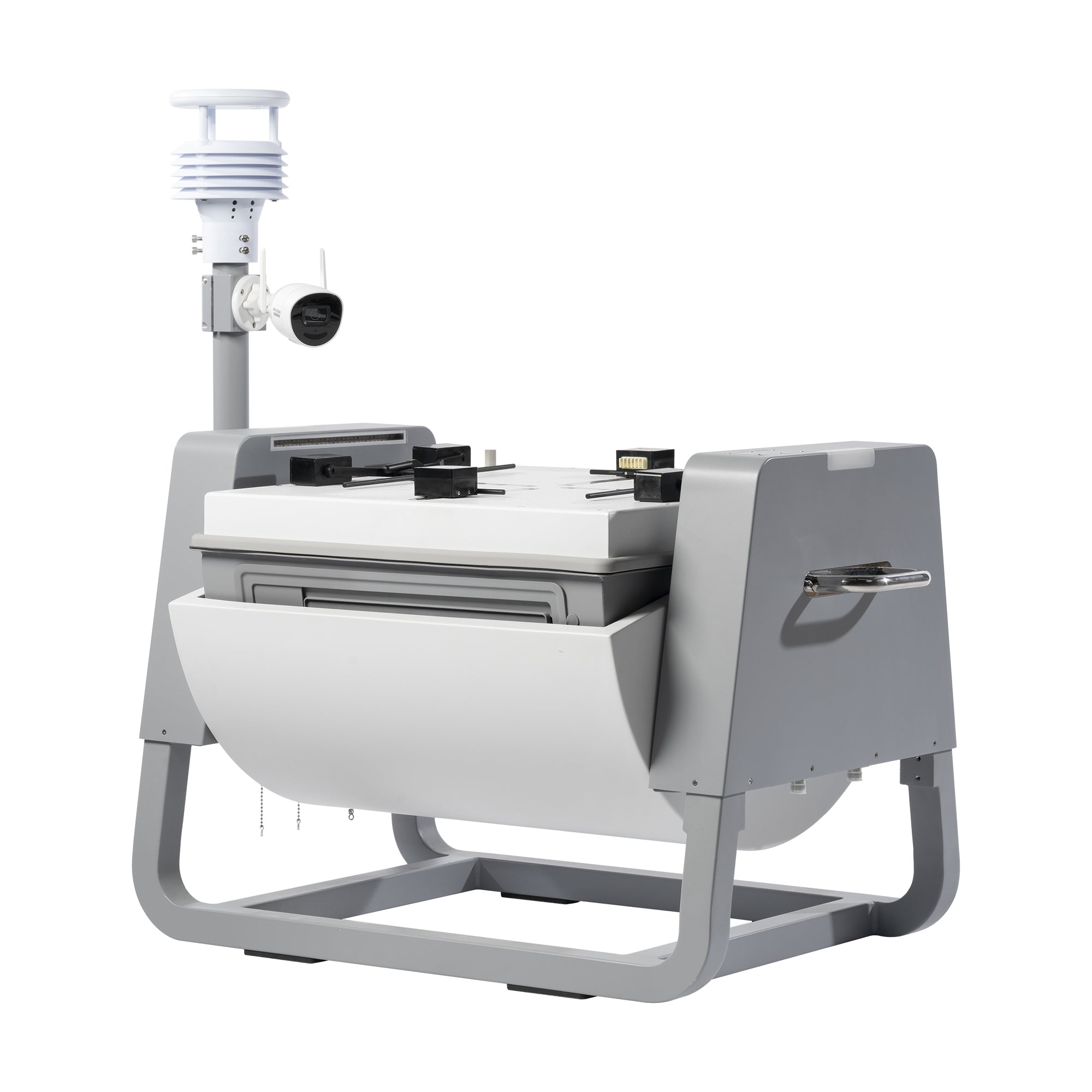
DJI Dock 3
From $15,890

Autel EVO Nest
From $20,362


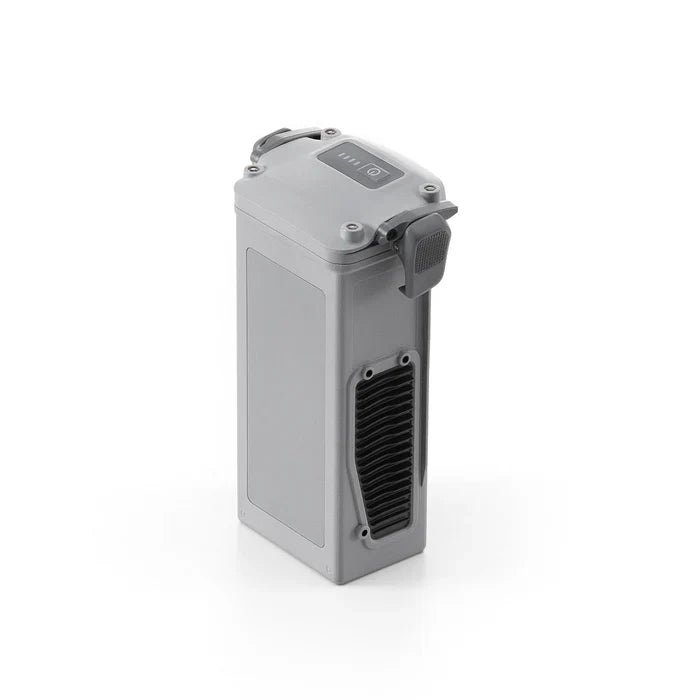
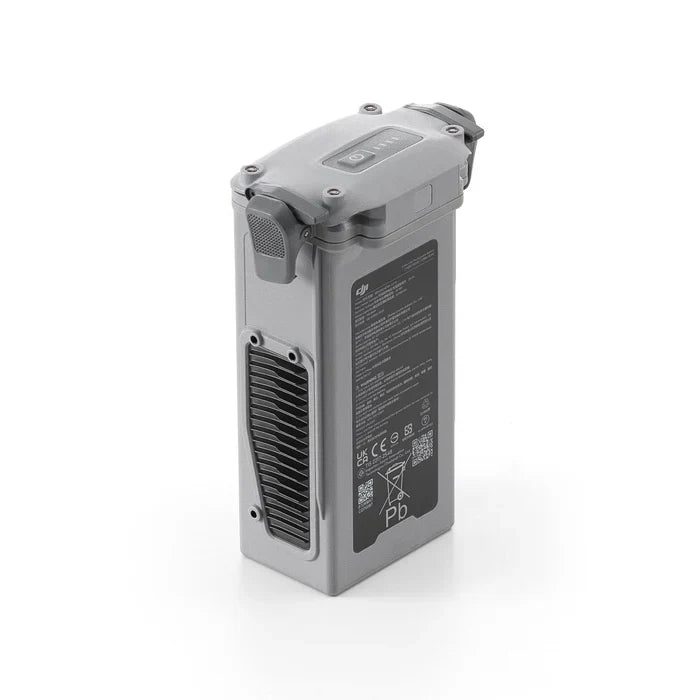
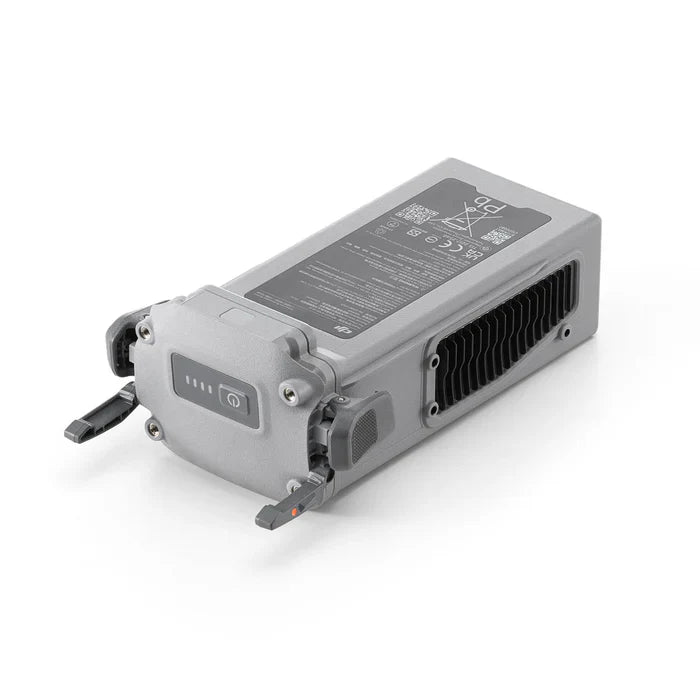

Battery capacity

Total energy

Charge cycles

Cold weather ready
Docks Need Planning, Not Just Purchase
Site survey, power, connectivity and waiver strategy all shape whether a dock program works. We will walk the requirements with you before you buy.



Compatible aircraft
Dust and water rating

Operating temperature range
Drone charge time
10-90% recharge
Weather rating

Transmission distance

Base station included
DJI Dock 3: the drone-in-a-box most programs start with
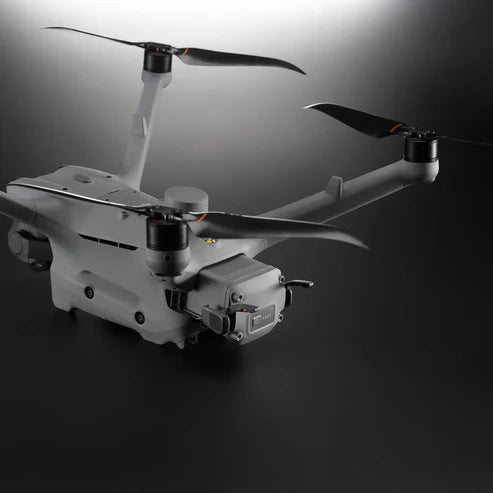
Dock 3 is the system with the deepest deployed base and the most mature software behind it. It launches the Matrice 4TD on schedule or on demand, and reports into DJI FlightHub 2 without anyone driving to the site.
Rated for real weather
IP56 sealing, a -30 to 50 degree Celsius operating range and 12 m/s wind resistance keep the schedule running.
27 minute drone charge time
Short turnarounds between sorties, so a second alert on the same shift is realistic.
FlightHub 2 as the operations console
Live video, AI-detected alerts and a retained flight record for every sortie, in one place.

Read more
Drone docks – also known as drone docking stations or "drone-in-a-box" systems – are advanced solutions that allow drones to operate continuously and autonomously without on-site human support. These self-contained stations house, recharge, and protect drones, enabling automated missions that can be managed remotely. Enterprise users in industries from public safety to agriculture are leveraging drone docks to streamline operations and expand aerial capabilities in a reliable, 24/7 manner.
What Is a Drone Docking Station?
A drone docking station is an autonomous hub for drones, designed to support remote deployments with minimal human intervention. It serves as a home base where a drone can automatically land with precision, recharge its batteries, upload data, and launch again on the next mission. In other words, a drone dock enables beyond visual line of sight (BVLOS) operations by providing a safe landing pad and automated maintenance between flights.
Modern drone docks are rugged and weatherproof, allowing for field deployment in remote or exposed areas. They include climate control, security systems, and network connectivity to ensure reliability in all conditions. In essence, a drone docking station acts as an all-in-one garage and charging hub that keeps drones safe, powered, and ready to fly at a moment’s notice.
Why Enterprises Use Drone Docks
Enterprise customers invest in drone docks to achieve fully autonomous drone operations that are efficient, fast, and scalable. These systems eliminate the need for on-site pilots, reduce labor costs, minimize downtime, and support consistent aerial coverage. Whether for emergency response, infrastructure inspection, or agricultural monitoring, drone docks allow missions to be launched and managed remotely, 24/7.
Docks also improve response times. In public safety scenarios, docked drones can launch within seconds of an incident, streaming live video back to a command center. In industrial or agricultural use cases, docks enable repeatable, high-frequency inspections that increase data accuracy and reduce maintenance cycles. Overall, they enhance operational resilience and reduce manual workload.
Key Capabilities of Drone Docks
-
Autonomous Launch & Landing: Docks enable drones to take off and land automatically with high precision.
-
Remote Connectivity & Control: Operate your drones remotely via Wi-Fi, Ethernet, or 4G/5G, with full cloud-based mission planning.
-
Automated Charging: Recharge drone batteries automatically within 30–45 minutes for rapid mission turnover.
-
Weatherproof Protection: Rated for dust, rain, heat, and cold, with internal sensors and climate control for all-weather operation.
-
Security & Monitoring: Most systems include tamper-resistant locking mechanisms, security cameras, and redundant safety measures.
Industry Applications
-
Public Safety & First Response: Instant launch of drones for situational awareness at crime scenes, accidents, and natural disasters.
-
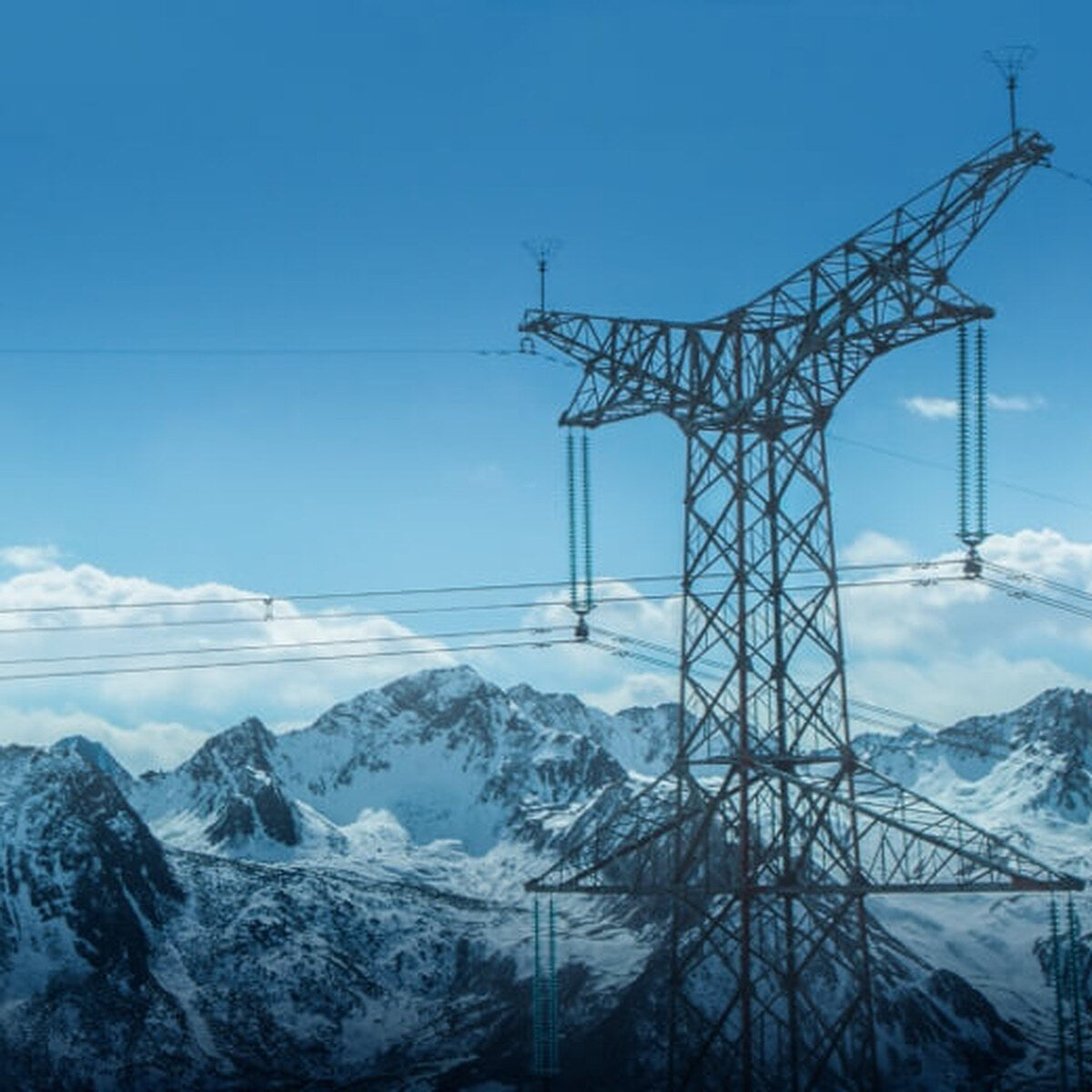
Infrastructure Inspection: Automate routine inspections of power lines, railways, pipelines, and telecom towers.
-
Energy: Use drones to monitor solar farms, wind turbines, and oil & gas facilities for anomalies or safety issues.
-
Emergency Management: Deploy drones for live updates during floods, fires, or earthquakes—even if roads are blocked.
-
Agriculture: Conduct scheduled flights for crop scouting, NDVI analysis, and field perimeter monitoring.
Featured Drone Docking Stations
-
DJI Dock 3 (with Matrice 4D or 4TD): Engineered for remote deployment, with fast charging, environmental sensors, and compatibility with DJI’s top-tier enterprise drones. Offers full integration with DJI FlightHub 2 for mission planning and data synchronization.
-
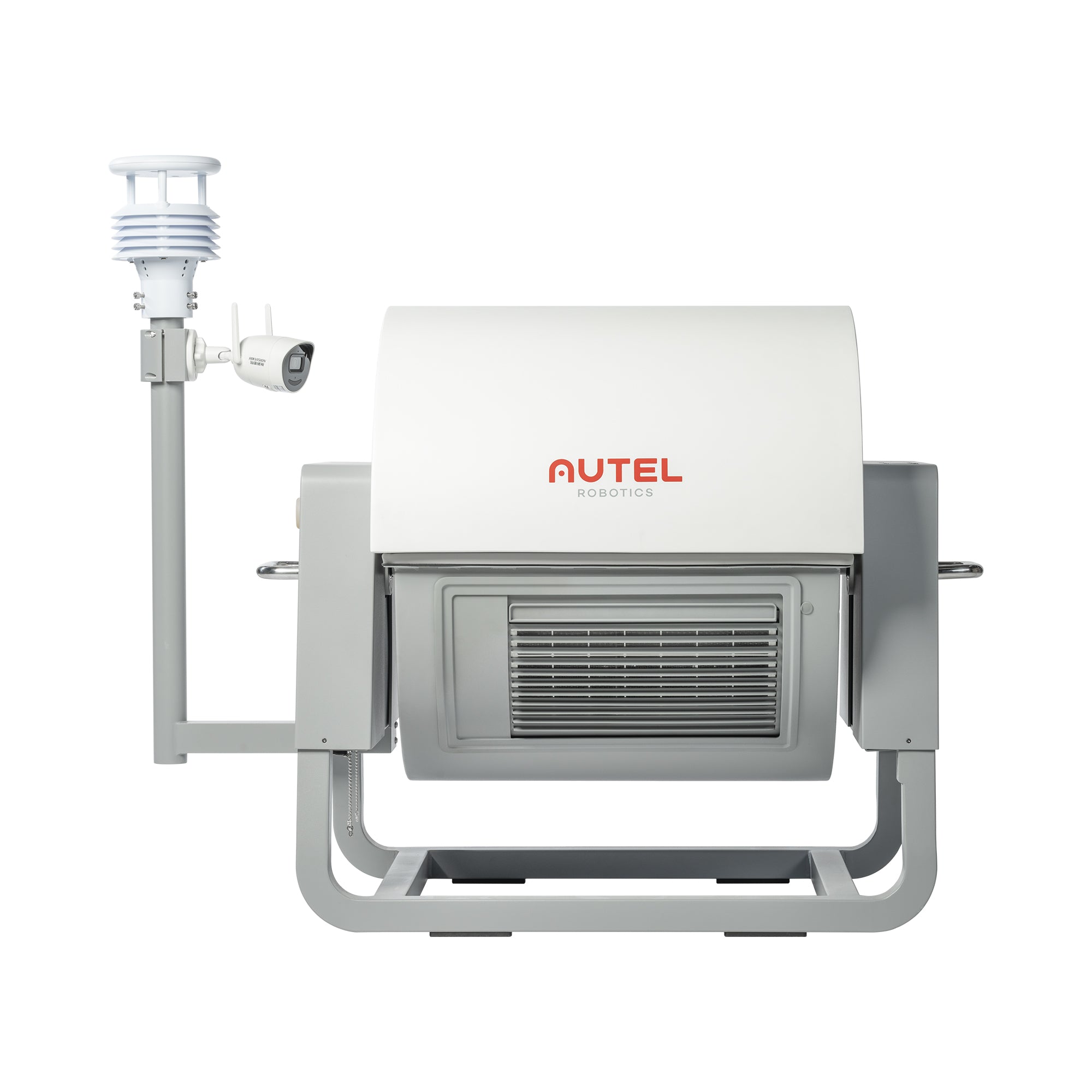
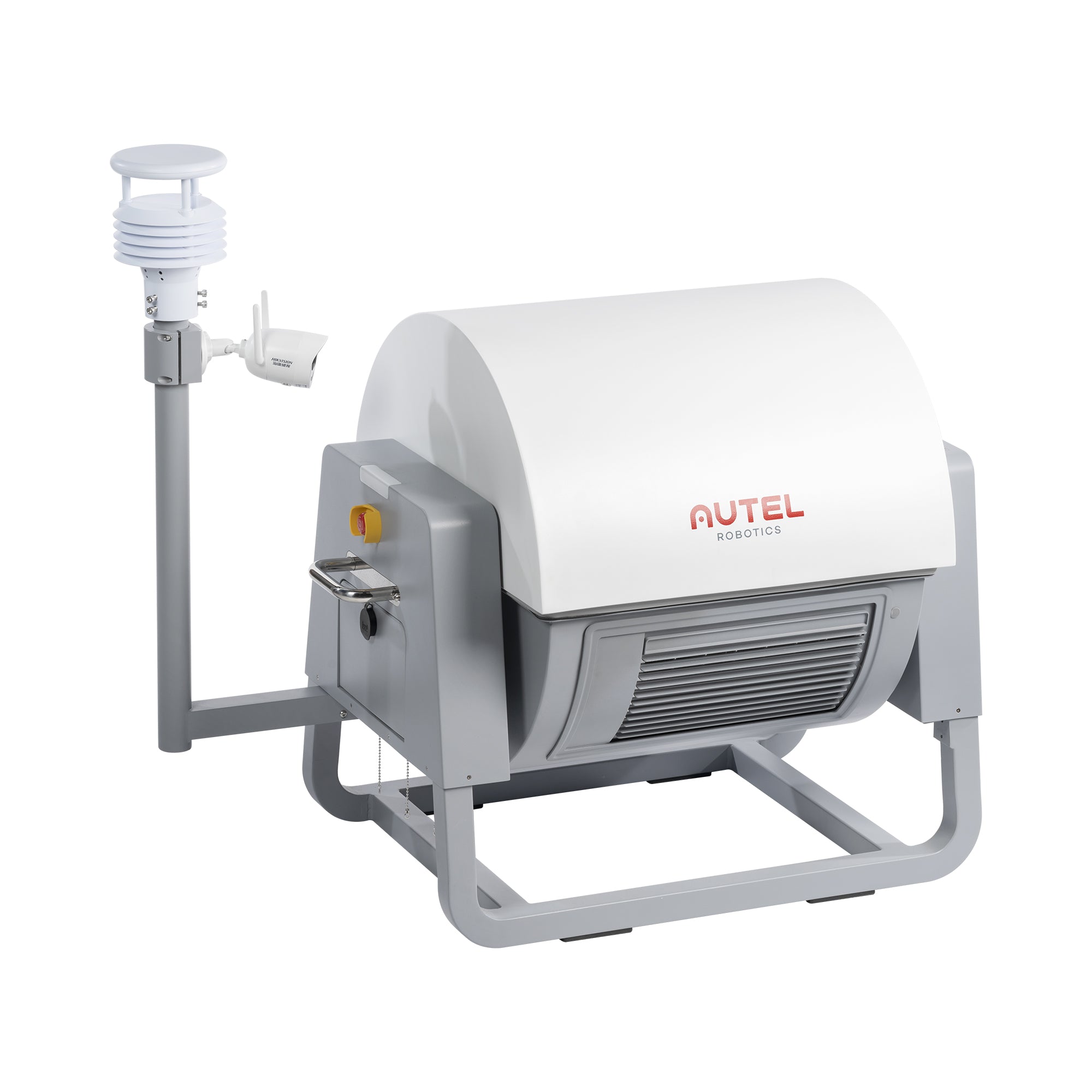
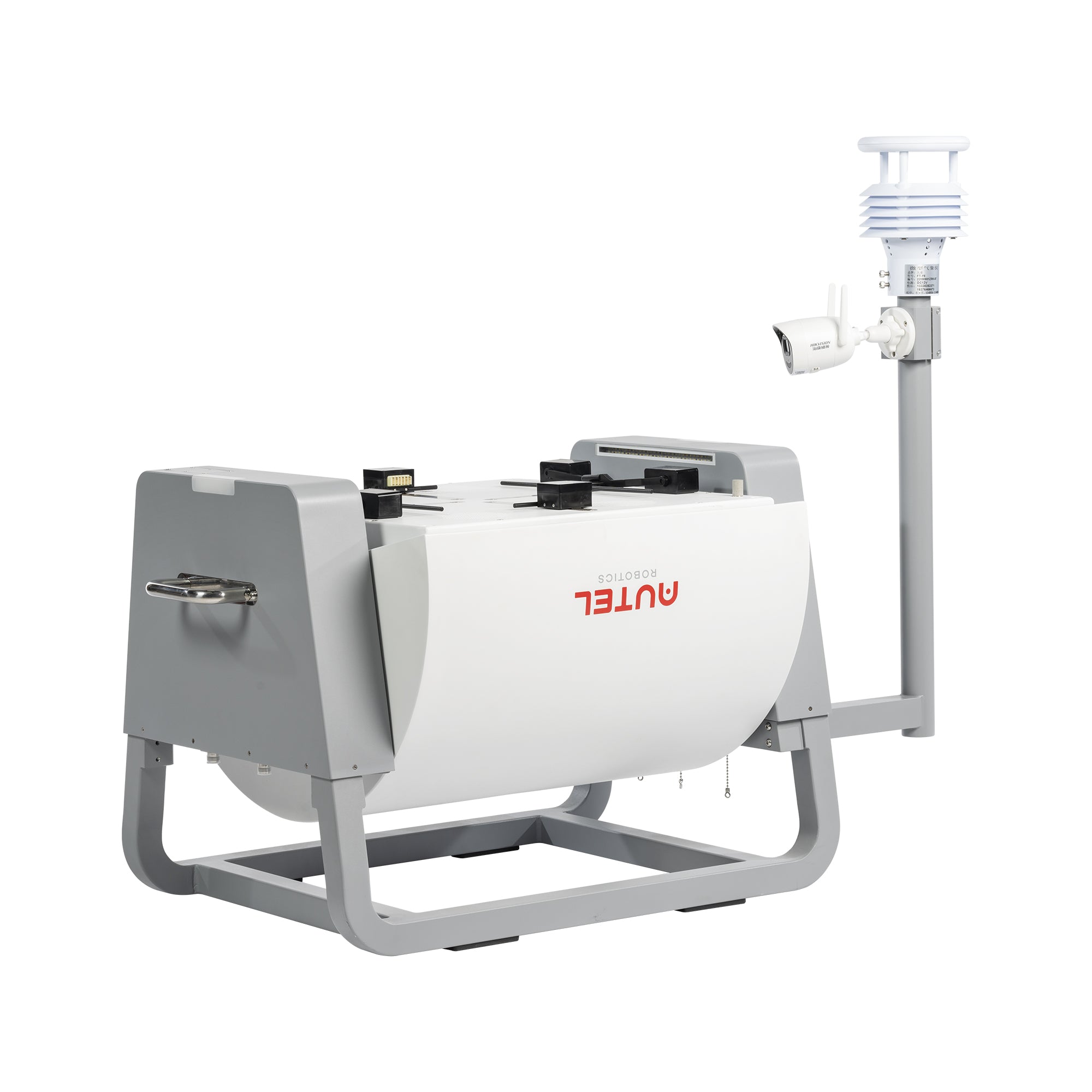
Autel EVO Nest: Compact and field-deployable, this autonomous charging station supports the Autel EVO drone line. Ideal for remote monitoring, facility security, and flexible transport between sites.
Whether you're building a Drone as First Responder program, automating solar inspections, or streamlining perimeter security, drone docks are the future of unmanned aerial operations. These systems allow you to scale your drone program with less manual effort and more uptime—making them an essential tool for modern enterprise workflows.