



Spray tank capacity

Max application rate

Centimeter-level positioning

Obstacle sensing
Max spray payload
Treatment coverage rate

Safety System 3.0
Effective spray width
Spray tank capacity
Spreading capacity
RTK positioning accuracy

Terrain-following radar
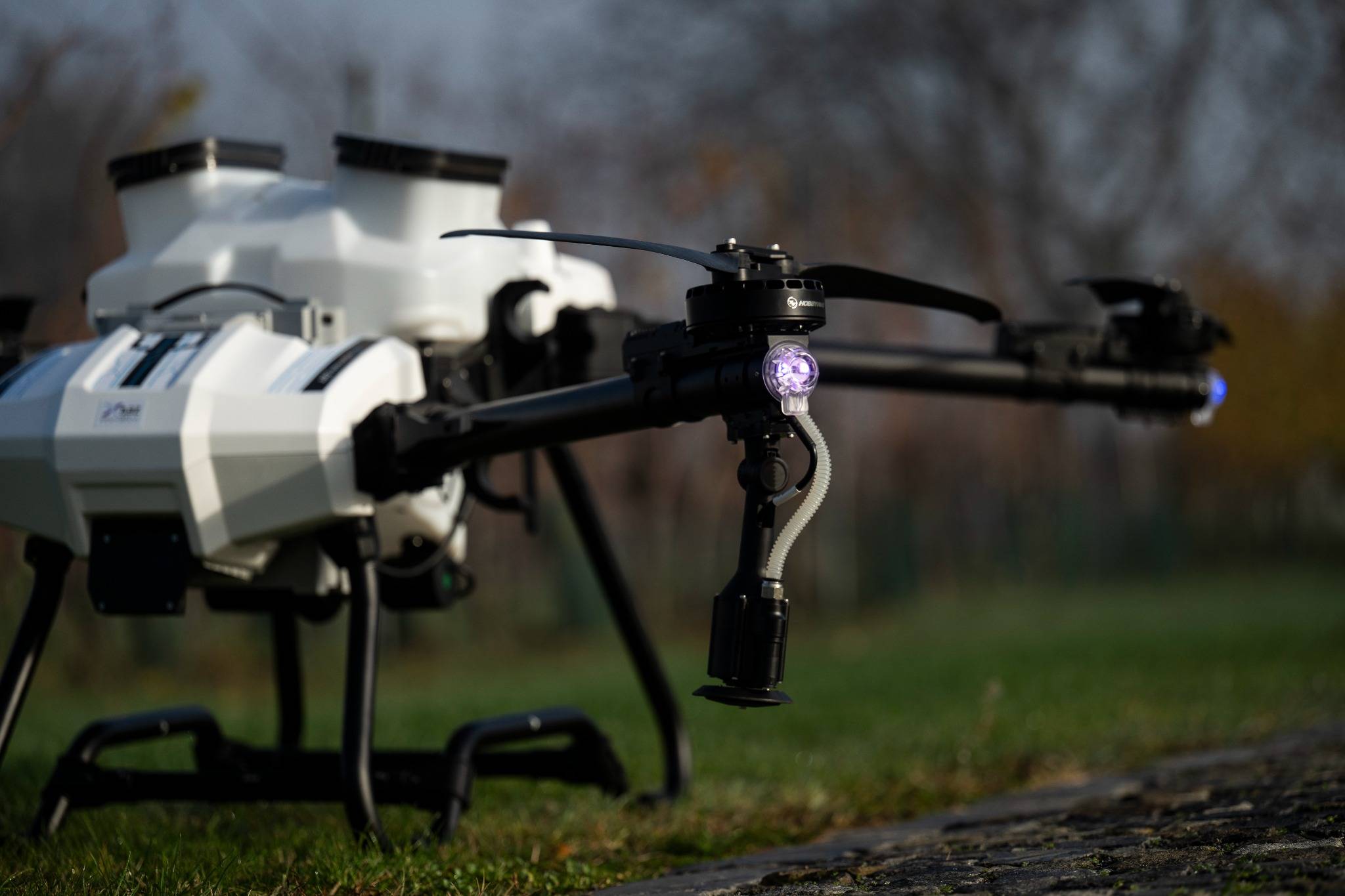
Spray tank capacity

Spraying efficiency
Spray flow rate
Terrain following


Spray tank capacity
Spraying efficiency
Spray flow rate
Optional terrain following
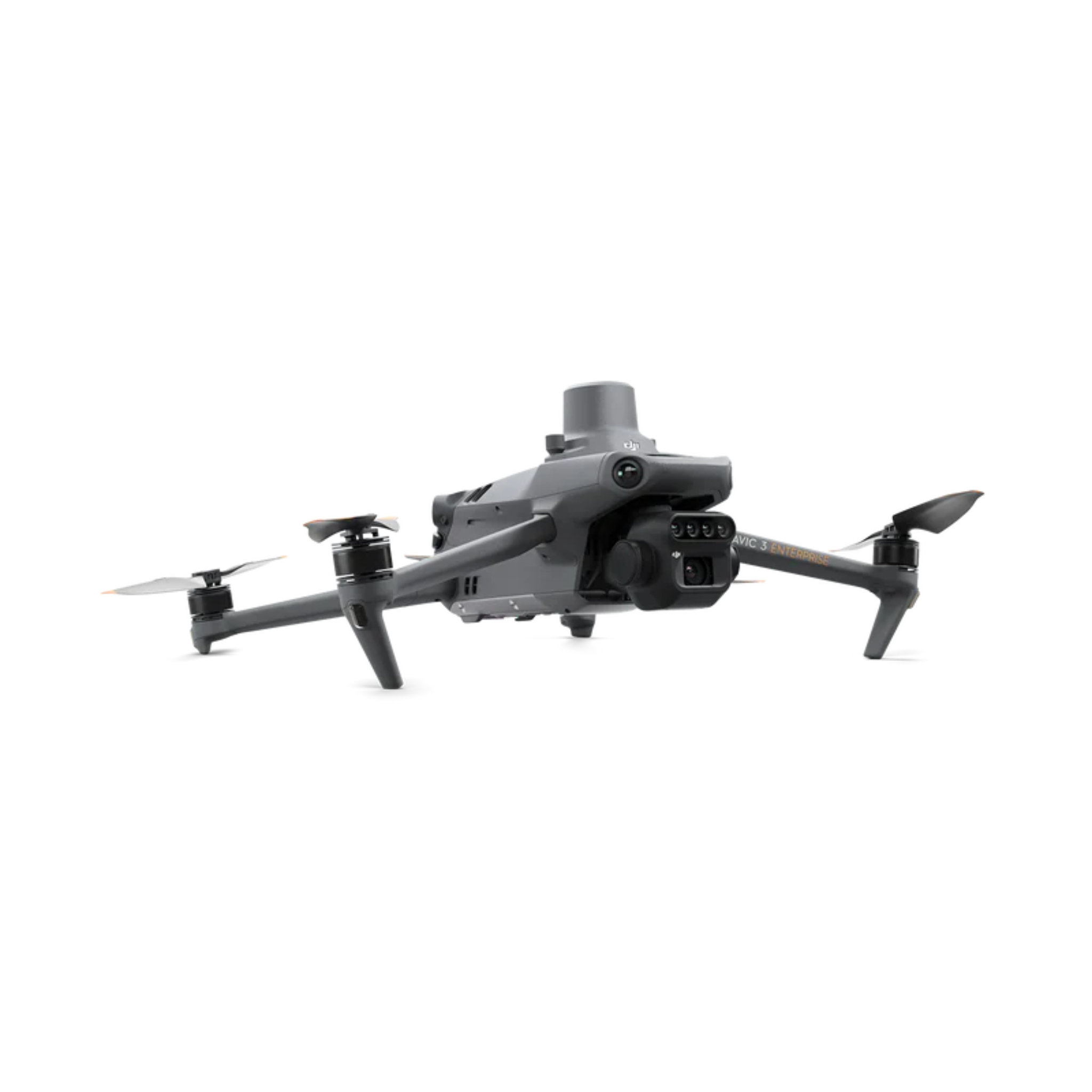
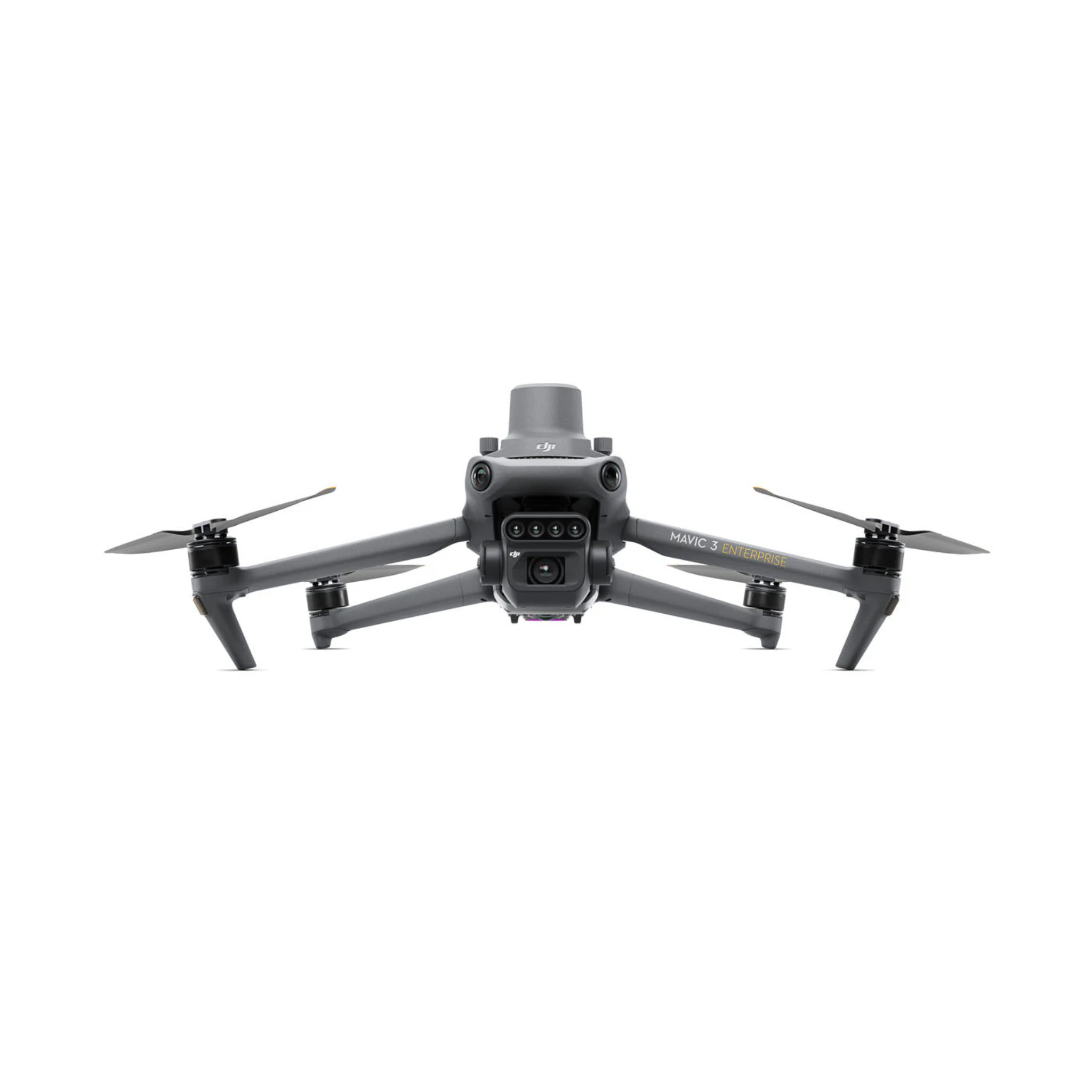
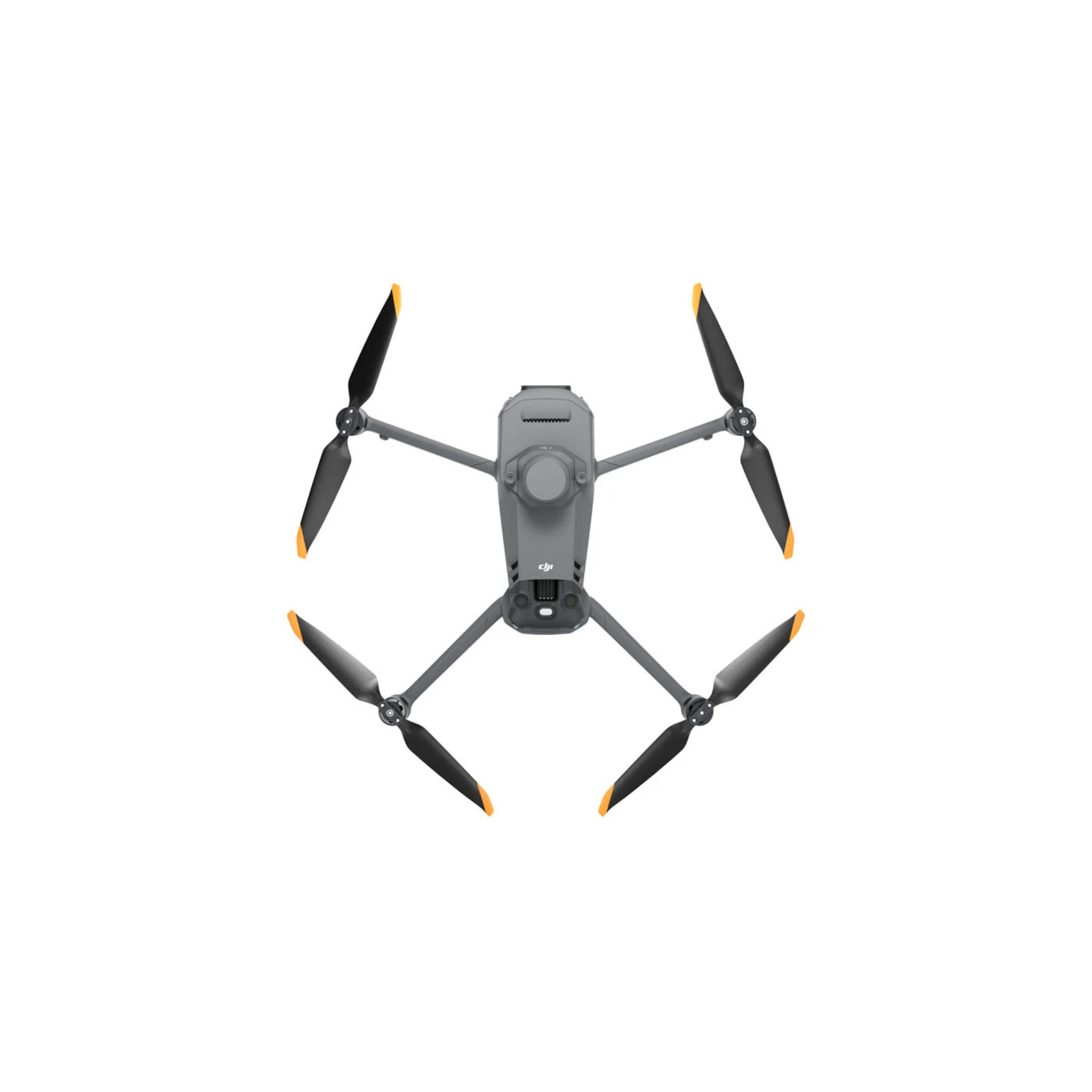
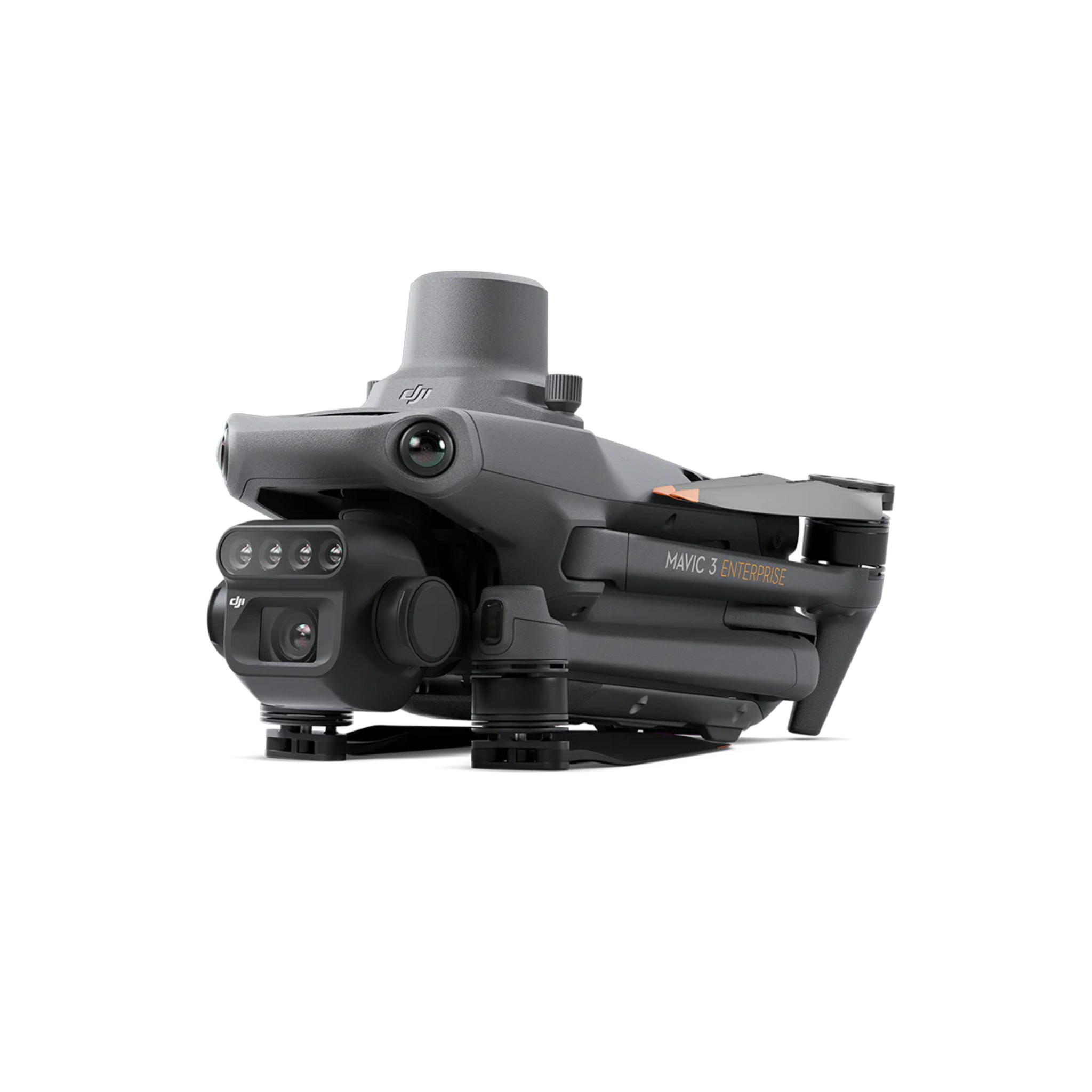
DJI Mavic 3 Multispectral Drone

Multispectral sensors

Max flight time
Coverage per flight
Centimeter accuracy
Agricultural drones are transforming how farmers manage their operations — enabling precision crop spraying, seeding, spreading, and field monitoring at a scale and efficiency that ground equipment simply cannot match. Global Drone HQ carries the leading agricultural UAV platforms, including DJI Agras series and ABZ Innovation, all backed by expert support and US-based shipping.
Precision Spray Drones
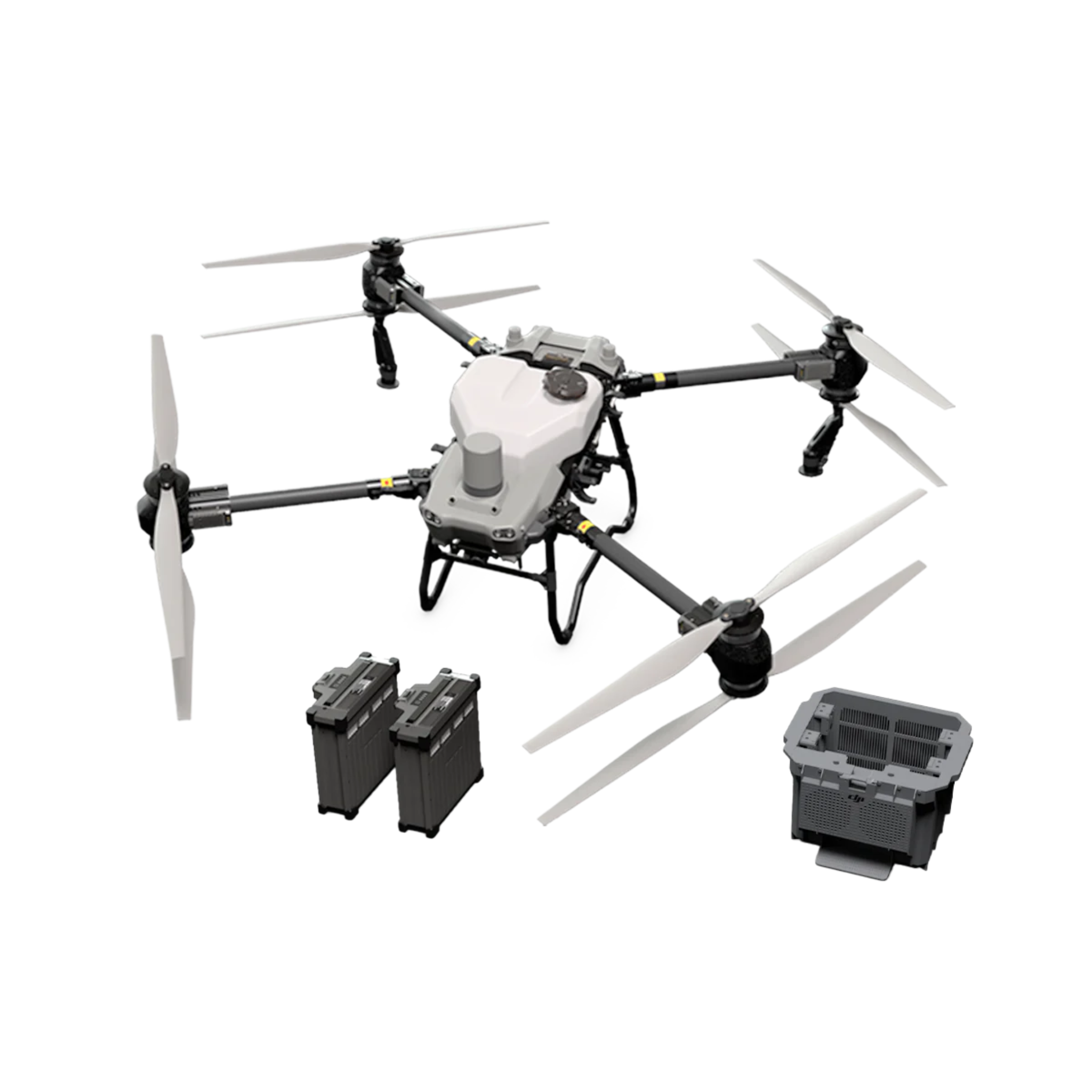
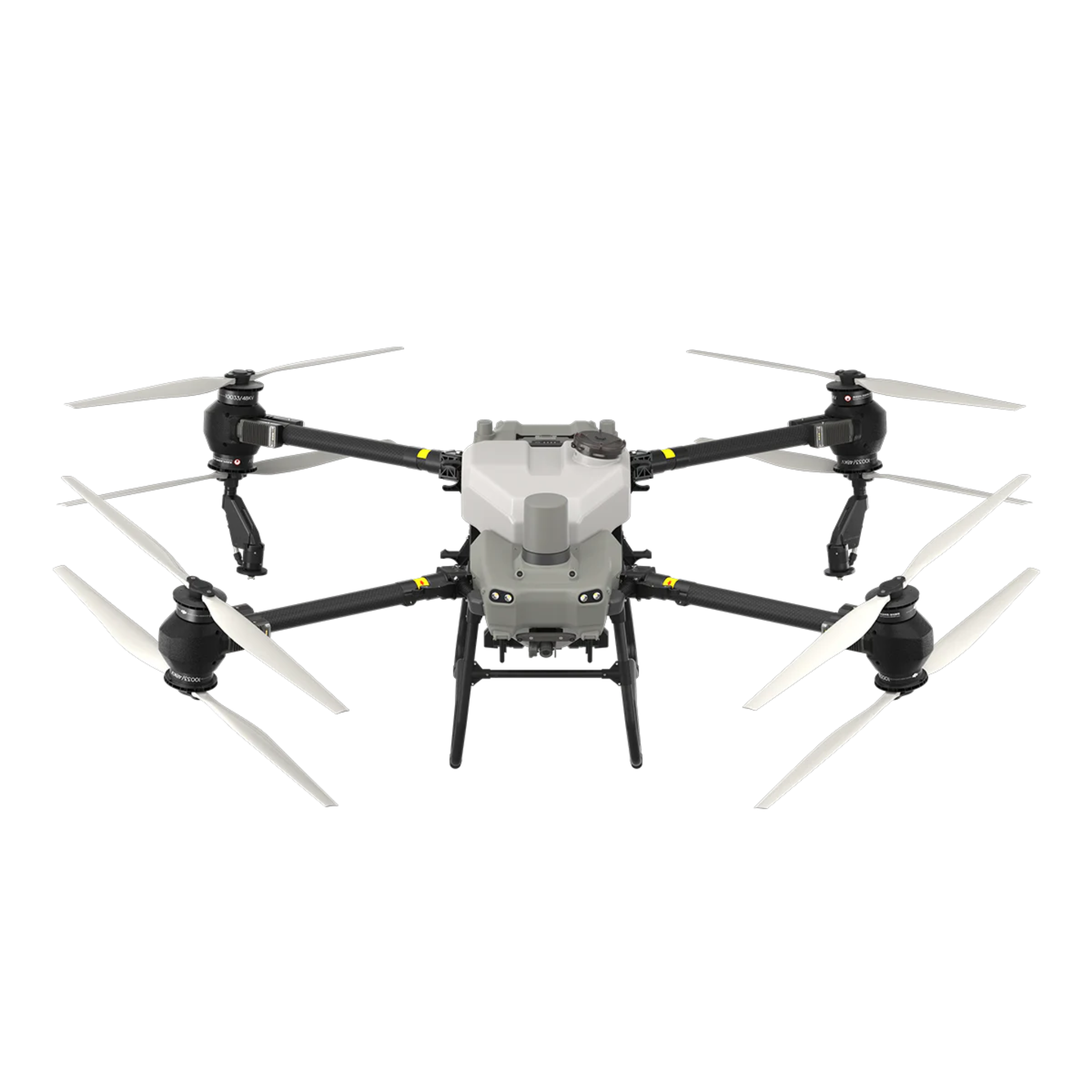
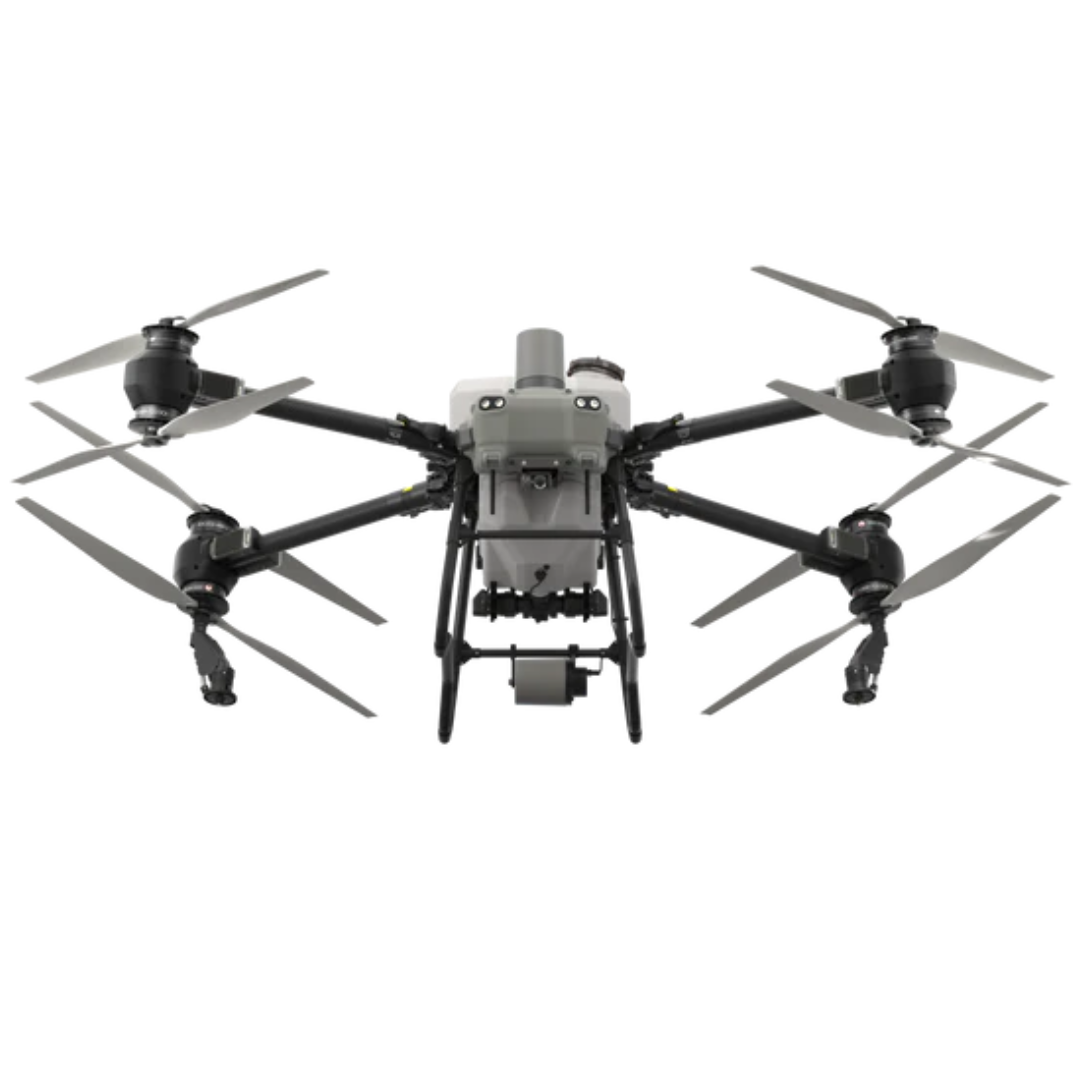
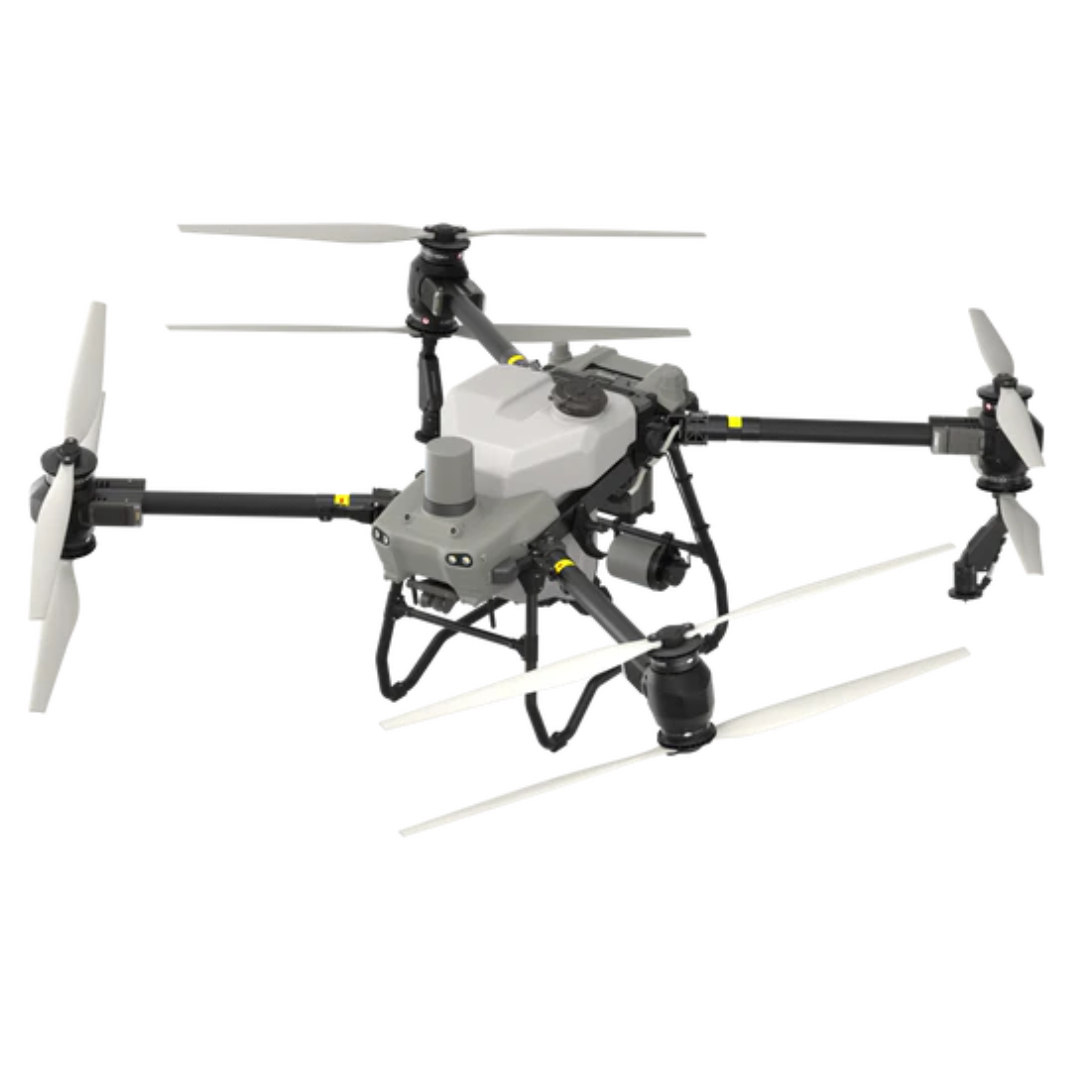
The DJI Agras T50 and T40 are the gold standard for large-scale precision spraying. With 40–50L payload tanks, spray widths of up to 11 meters, and centimeter-level RTK GPS positioning, these platforms can treat over 20 acres per hour with minimal chemical waste. The T25 and T10 offer more compact solutions for smaller operations or harder-to-access fields.
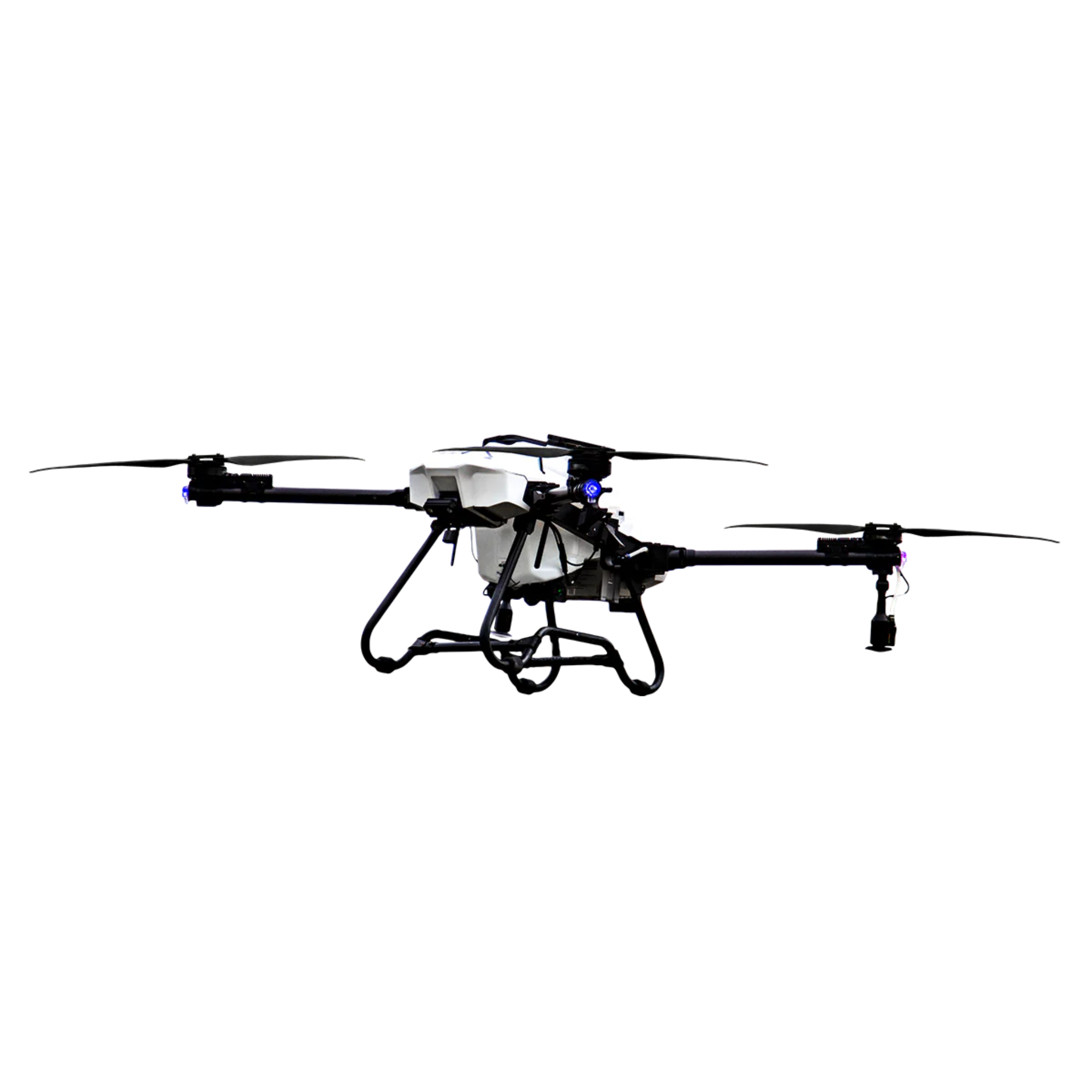
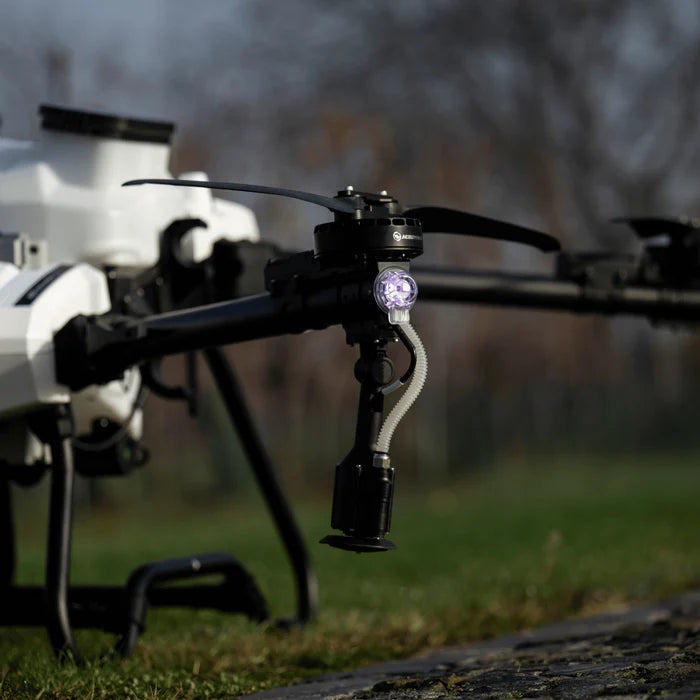
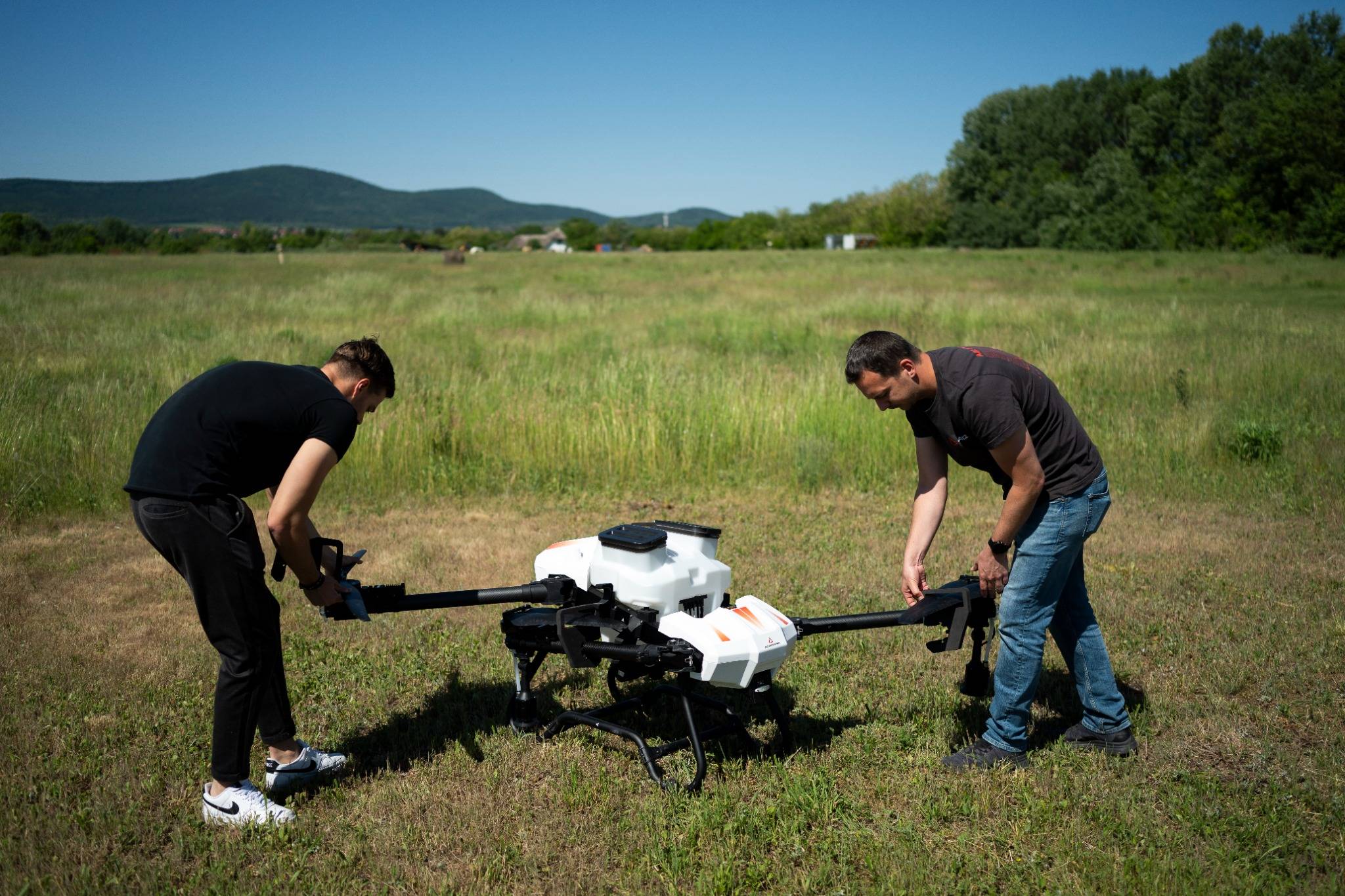
The ABZ Innovation L30 — a European-engineered precision spray drone — offers Controlled Droplet Application (CDA) technology for superior canopy penetration and reduced chemical use, covering up to 21 hectares per hour with a 30L tank.
DJI Agras T100 — The Future of Large-Scale Agriculture
The DJI Agras T100 is the most advanced agricultural drone available, with a 100L payload capacity and a quad-spray system that covers large commercial farming operations faster than any competing platform. Designed for operations that have outgrown mid-size spray drones.
Why Drones Beat Traditional Spraying Equipment
Agricultural drones reduce water usage by 30–50% compared to ground equipment, eliminate soil compaction, and can operate in wet field conditions where tractors cannot. Variable-rate application controlled by prescription maps ensures chemicals are applied only where needed, reducing input costs while improving crop yield and health outcomes.