


Thermal Imaging, Two Ways
Thermal drones divide on one question: do you need to measure temperature, or find a heat signature? Radiometric sensors give you a number per pixel for inspection work. Zoom range gives you identification at distance.

DJI Matrice 4T
From $7,849

DJI Matrice 30T
From $12,602



Max flight time

Max payload capacity
O4 Enterprise transmission

Centimeter-level positioning


Max flight time

Weather resistance
Simultaneous payload support

TB65 batteries


Max flight time
Radiometric thermal

Max hybrid zoom
Weather resistance


Max flight time
Uncooled VOx thermal
Max hybrid zoom

Laser rangefinder
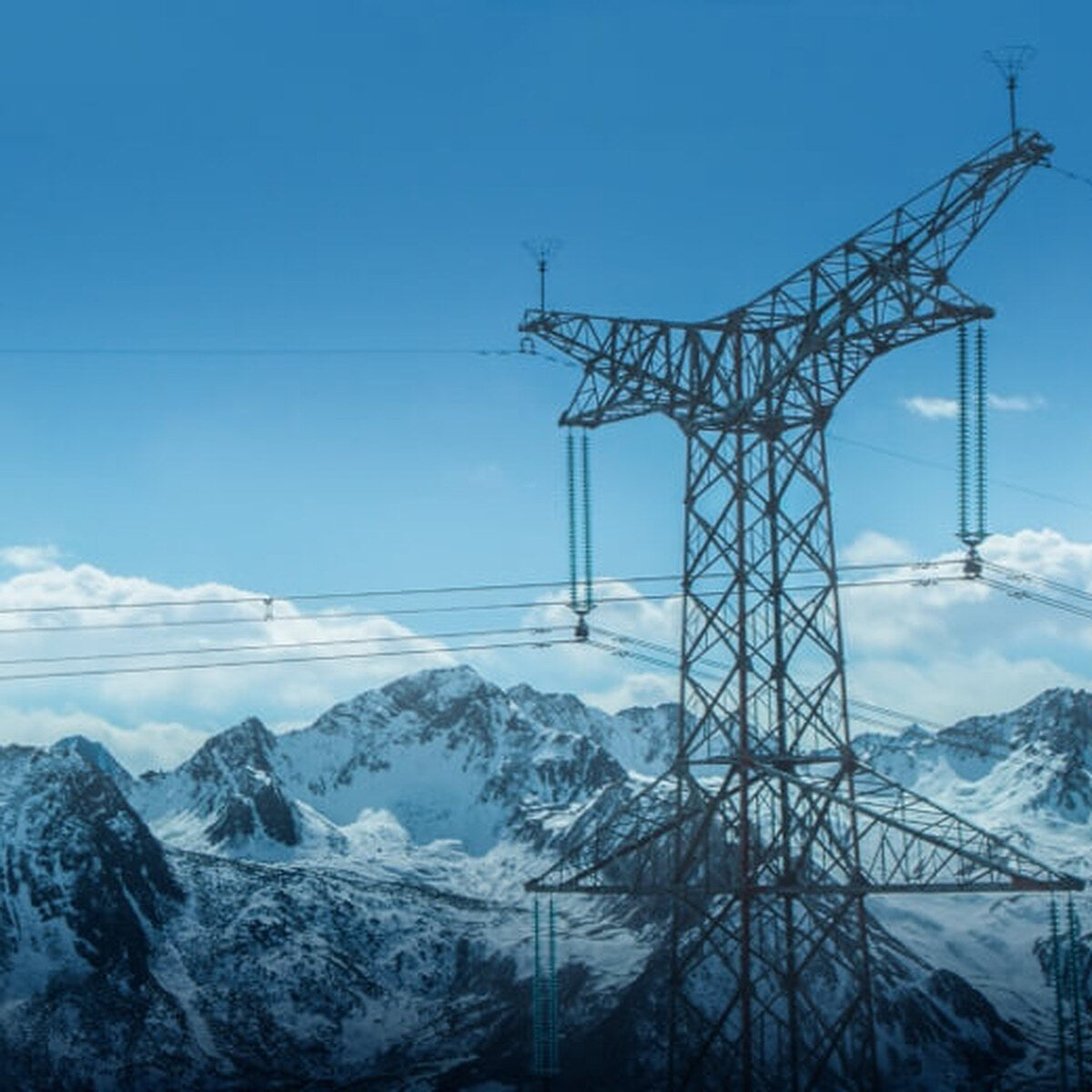
Thermal for Inspection Work
Substations, solar farms, roofs and district heating all need radiometric data rather than a picture. We will spec the sensor that gives you a defensible number.


Max flight time
Radiometric thermal

Takeoff weight
Max hybrid zoom
Max flight time
4K zoom camera
Laser rangefinder
Transmission range
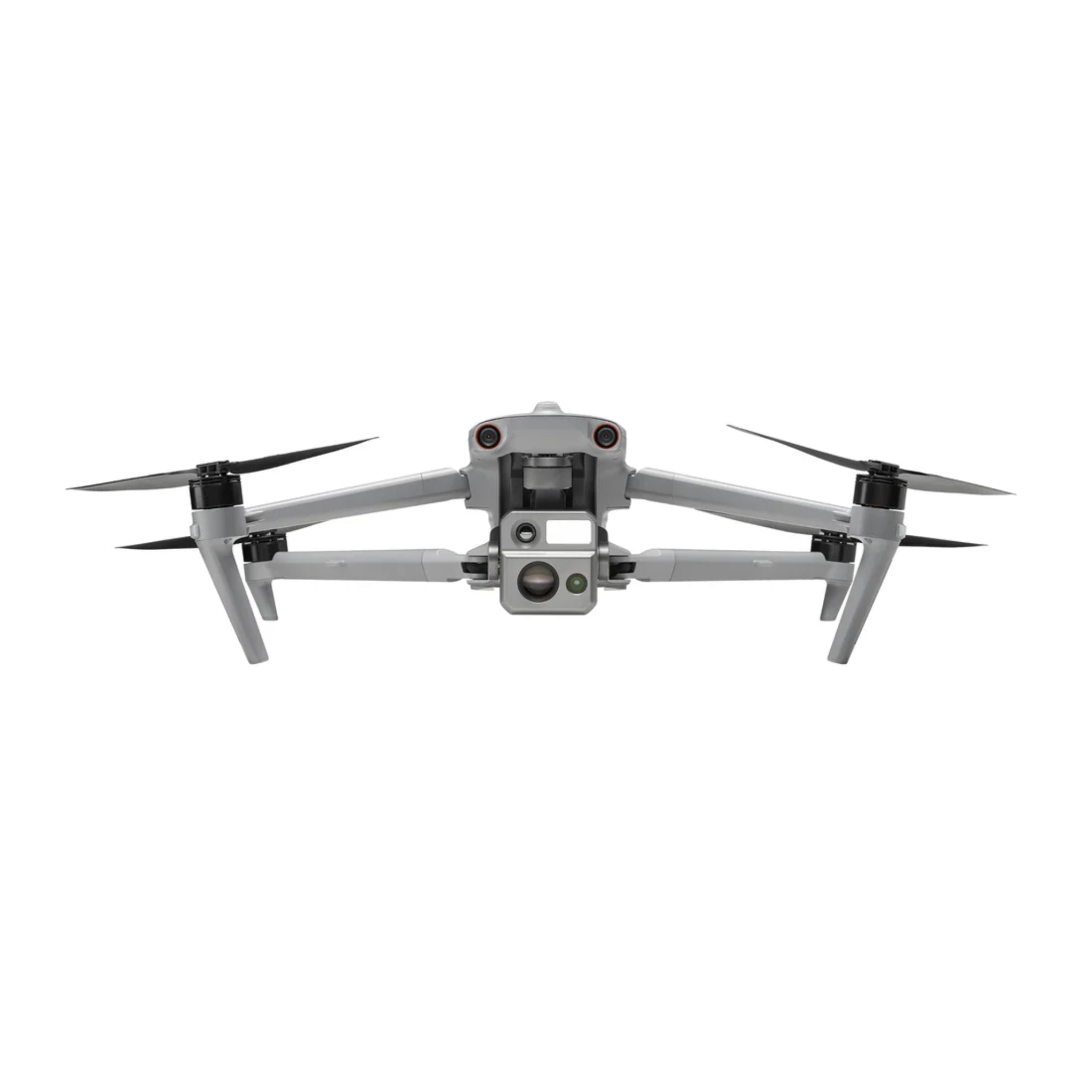
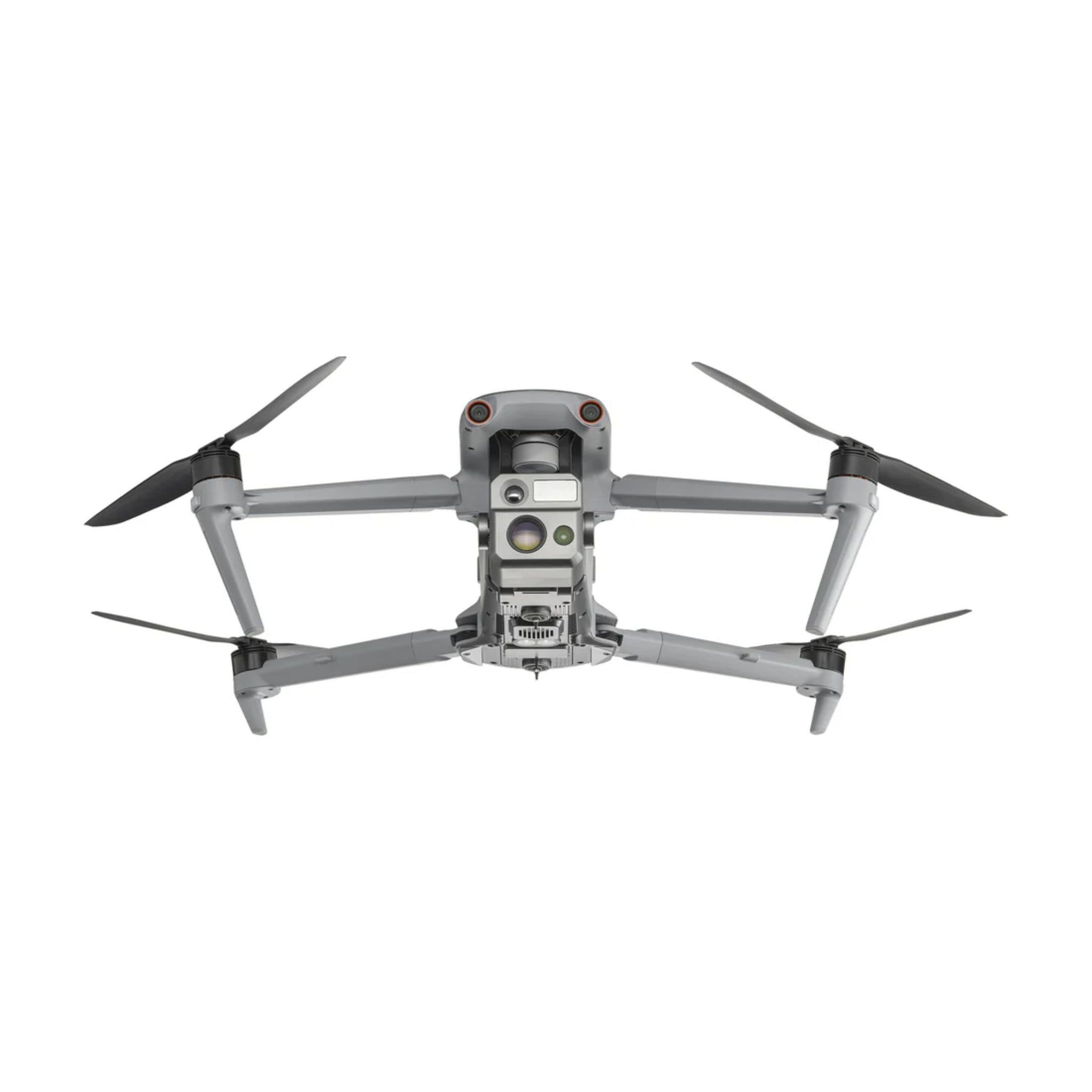
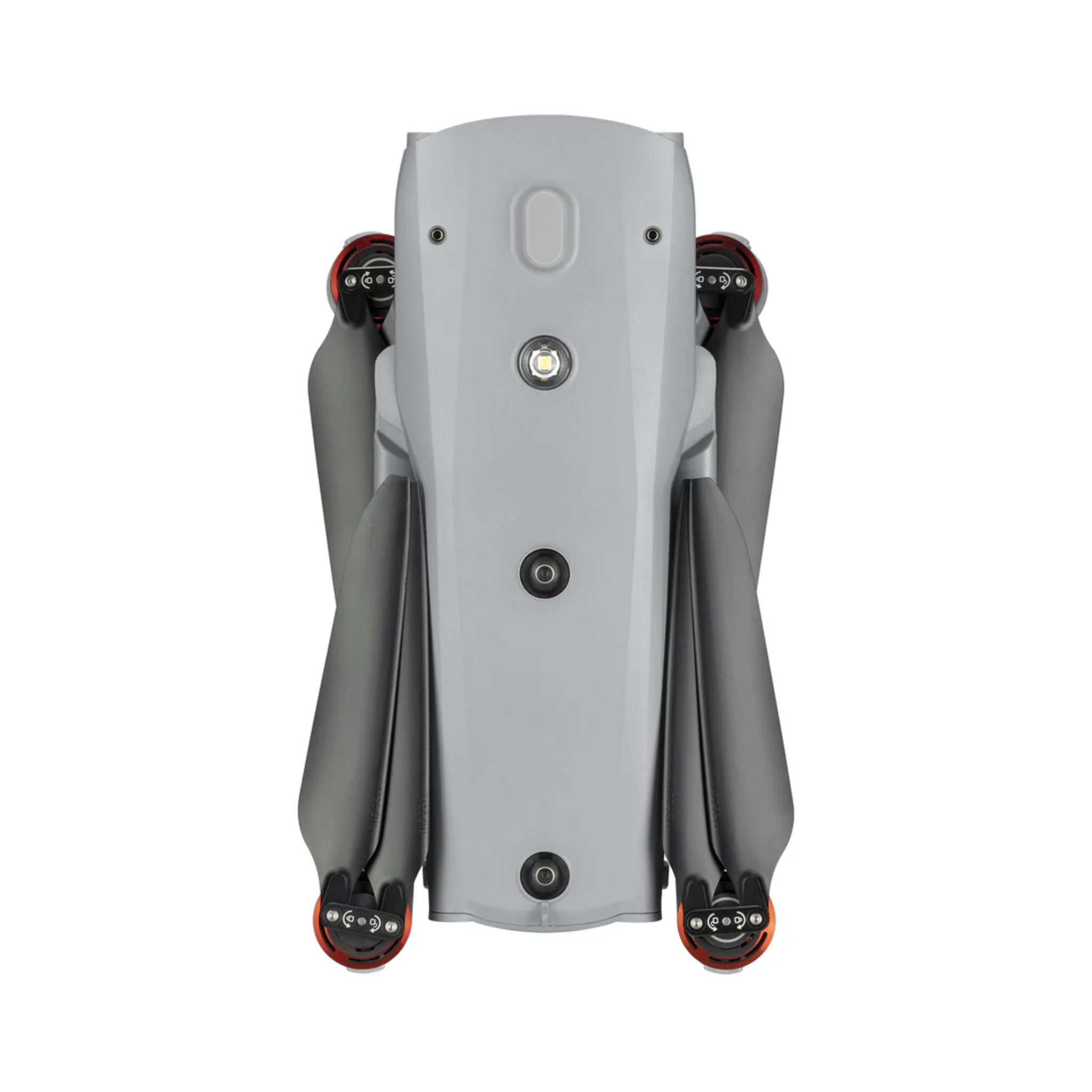
Thermal resolution
Zoom camera
Video transmission

Obstacle avoidance


Radiometric thermal
RTK accuracy

Visual camera
Max flight time
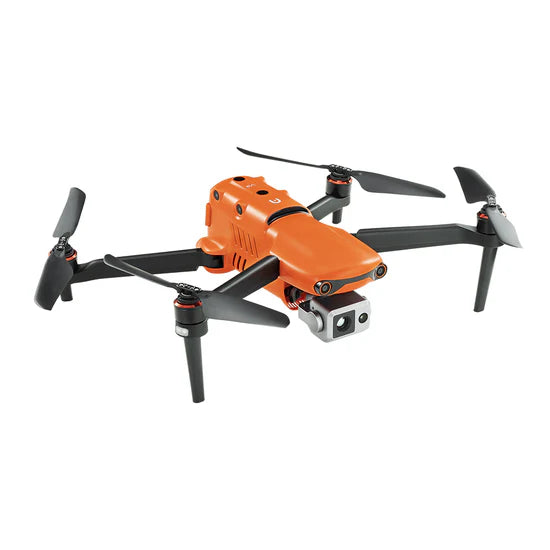
Radiometric thermal
Visual camera
Max flight time
Transmission range
RTK accuracy
1-inch CMOS camera
Max flight time
Transmission range
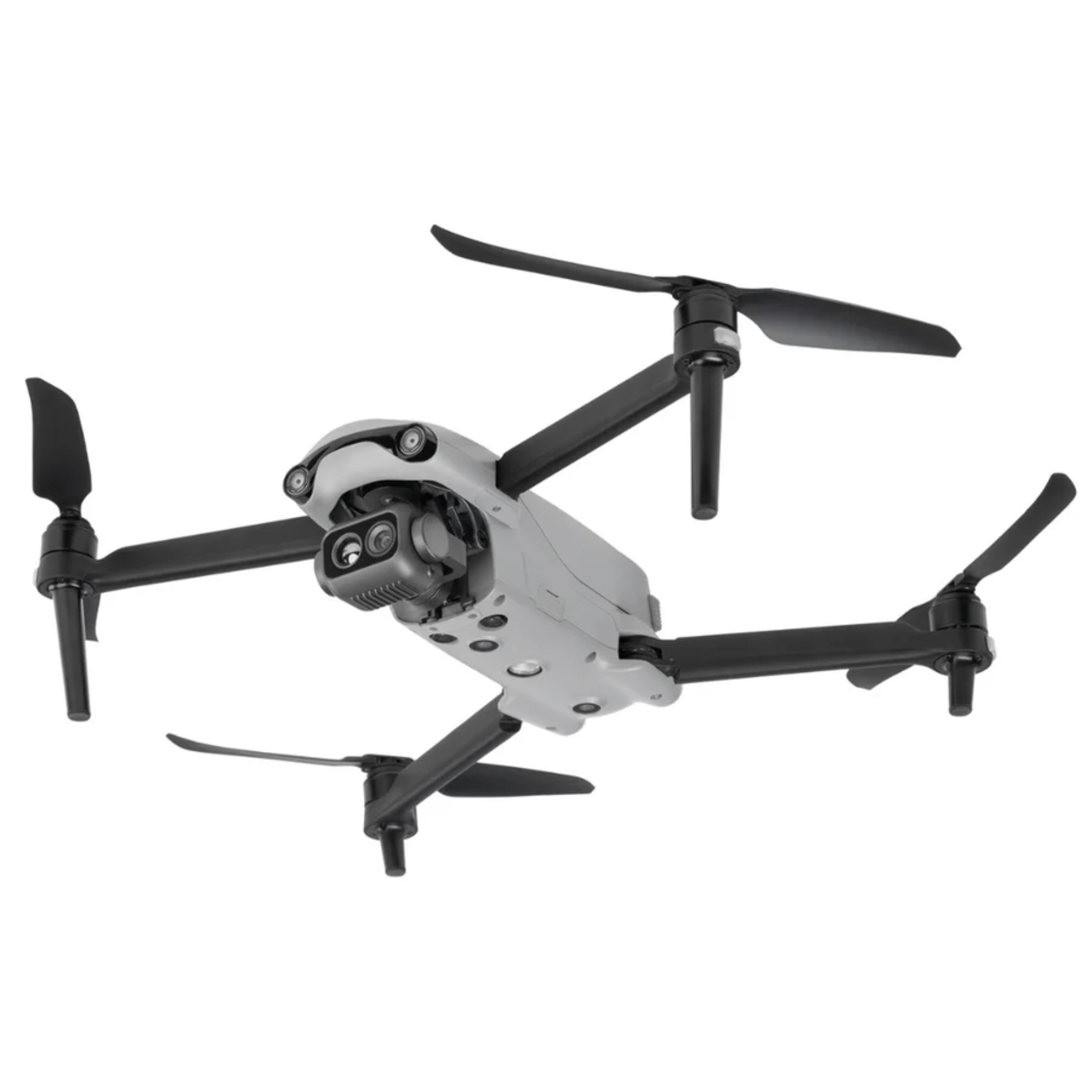
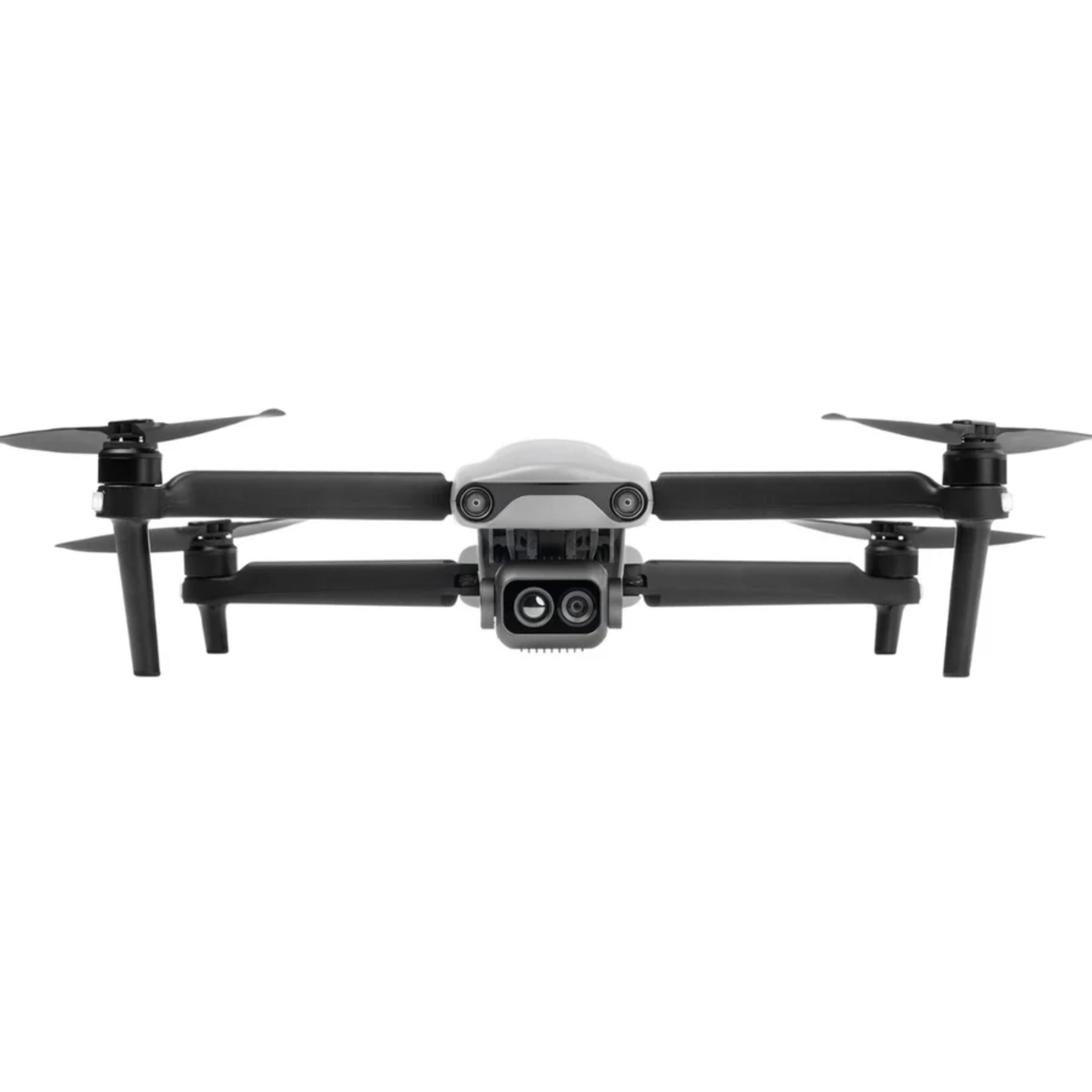
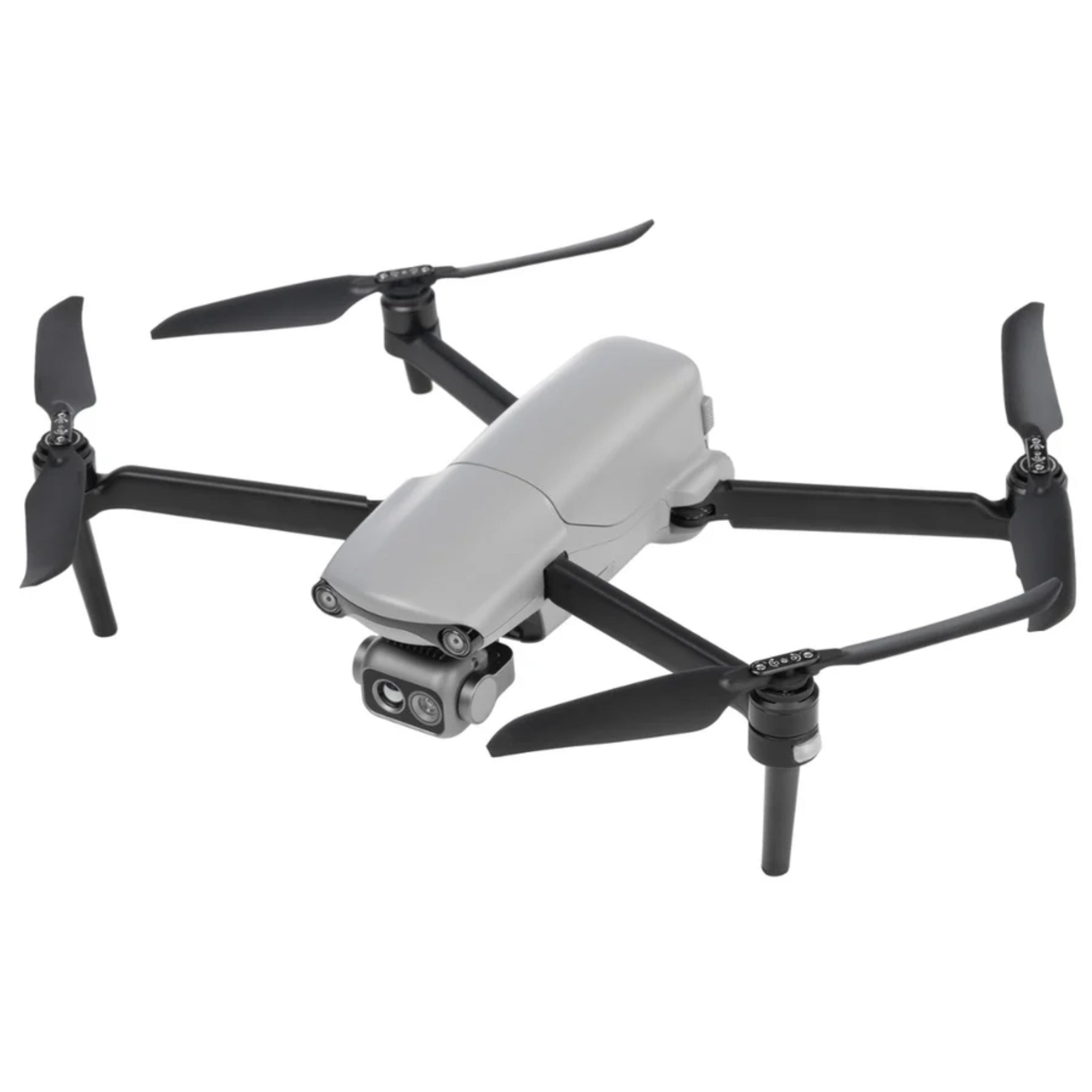
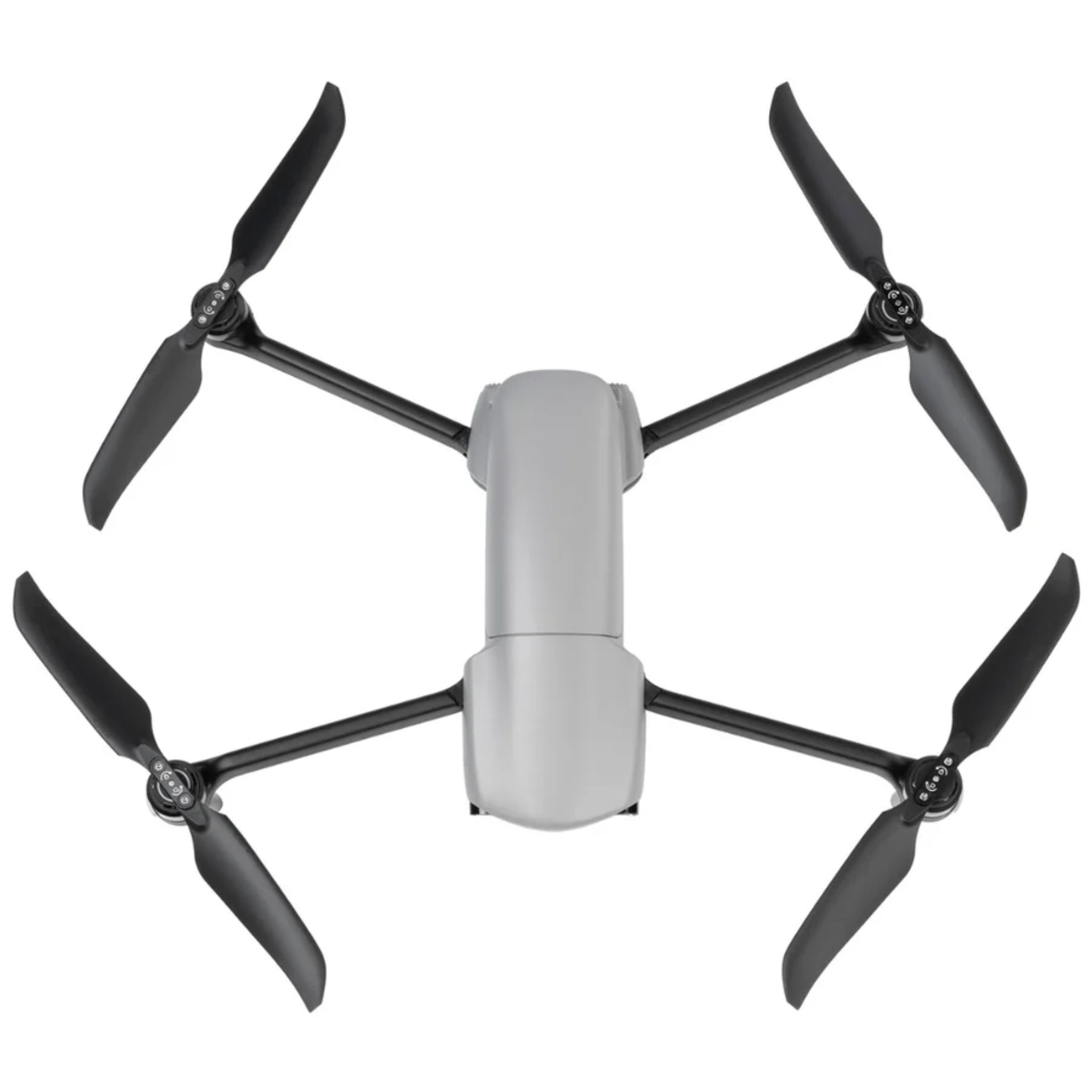
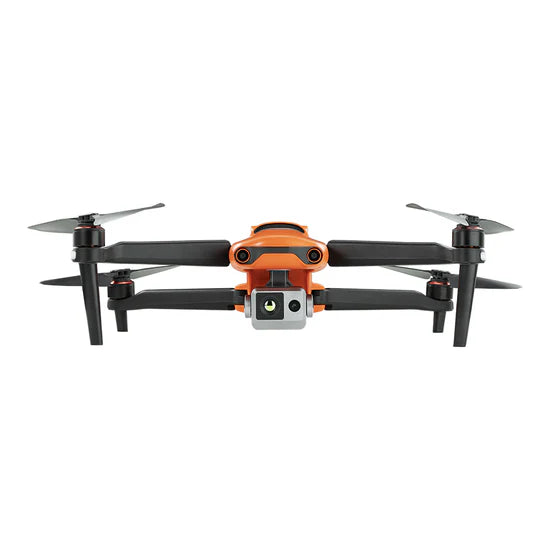
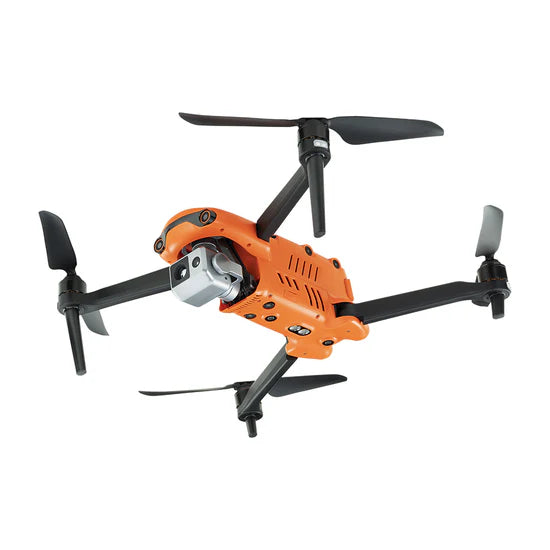
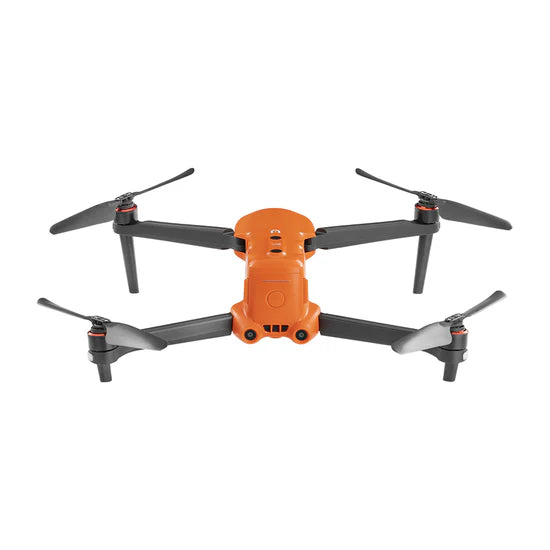
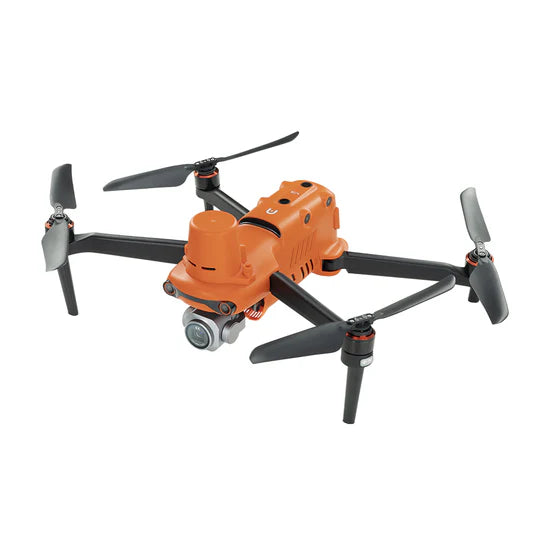
Autel Robotics EVO Lite 640T Enterprise
Thermal resolution
Max flight time
Visible-light camera
Transmission range



Compatible aircraft
Dust and water rating
Operating temperature range
Drone charge time
DJI Matrice 30T: 200x zoom and radiometric thermal in one gimbal
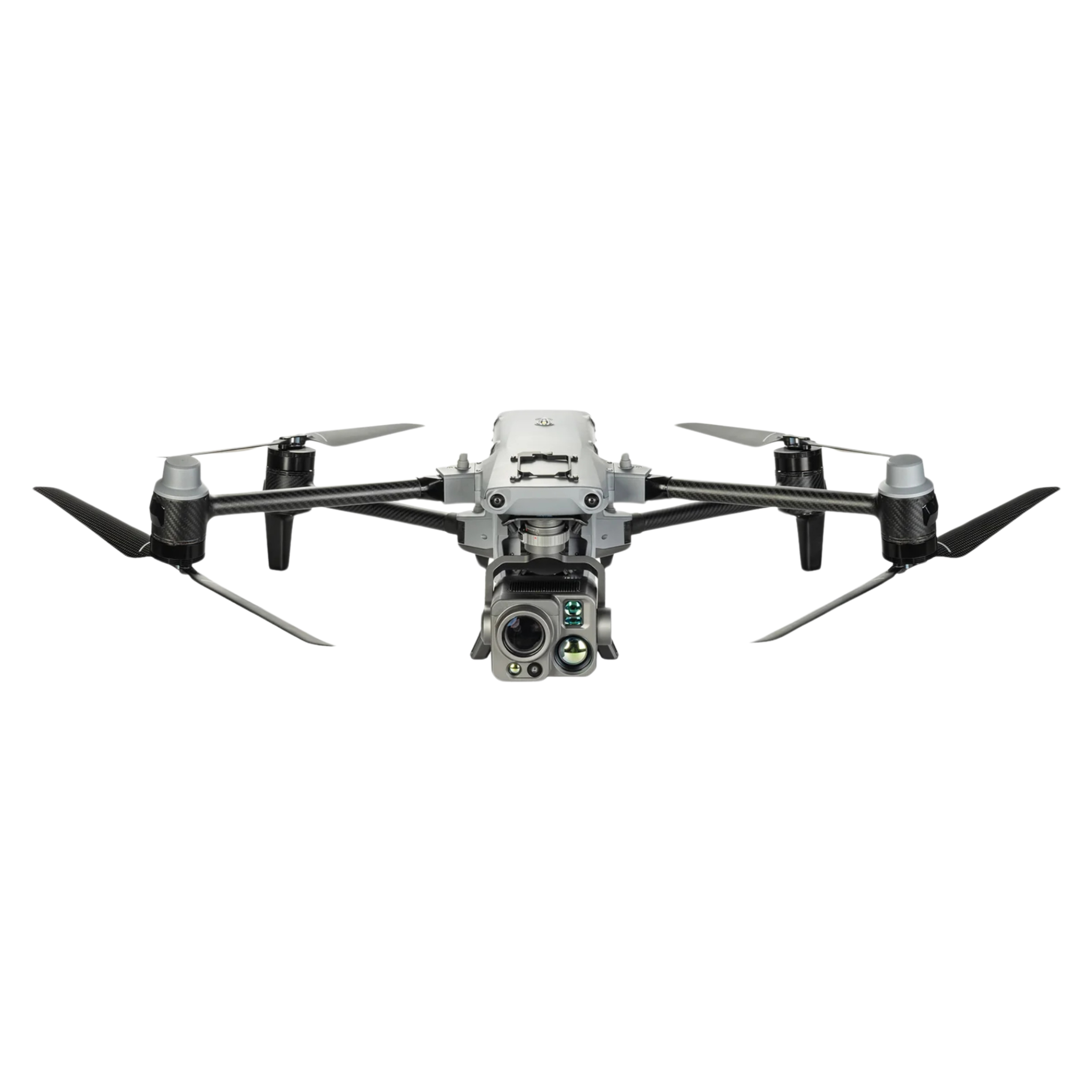
The Matrice 30T pairs a 640x512 radiometric thermal sensor with 200x hybrid zoom, so a single aircraft handles both jobs that usually need two. Identify at standoff distance, then measure the hot spot you found.
640x512 radiometric thermal
Temperature per pixel rather than a false-colour image, which is what inspection reports actually need.
200x hybrid zoom
Positive identification from a safe distance, day or night, without closing on the subject.
IP55 and a 1,200 m rangefinder
Rated for weather, and able to fix the position of what it is looking at.

Thermal drones give professionals the power to see what the human eye cannot — detecting heat signatures through darkness, smoke, dense vegetation, and even structural surfaces. At Global Drone HQ, we stock the leading enterprise thermal UAVs, purpose-built for high-stakes operations where standard visible-light cameras fall short.
Why Choose a Thermal Drone?
Thermal cameras detect infrared radiation (heat) and translate it into a visual image, making hot or cold anomalies immediately visible regardless of lighting conditions. For professionals in public safety, infrastructure inspection, and search and rescue, a thermal drone can mean the difference between a successful mission and a missed detection.
Top Thermal Drone Platforms
The DJI Matrice 4 Thermal ($7,849) is our most popular all-in-one thermal drone, featuring a 640×512 radiometric thermal sensor, 4-sensor payload, and IP54 weather resistance — ready to fly straight out of the box. The DJI Mavic 3 Thermal Enterprise ($6,700) is the most portable thermal enterprise drone available, delivering 640×512 thermal imaging in a compact, foldable form factor that fits in a backpack. For maximum range, zoom, and multi-sensor capability, the DJI Matrice 30T ($12,602) offers 200× hybrid zoom alongside thermal — the preferred choice for law enforcement and fire departments.
Key Applications
Thermal drones are deployed across a wide range of professional applications: search and rescue operations, wildfire and firefighting support, electrical infrastructure and solar panel inspection, building envelope energy audits, livestock monitoring, and perimeter security. Any mission requiring detection of heat anomalies — day or night — is a strong use case for thermal UAV technology.