


Rated payload
Max wheel speed

Bare chassis protection
Endurance at rated load
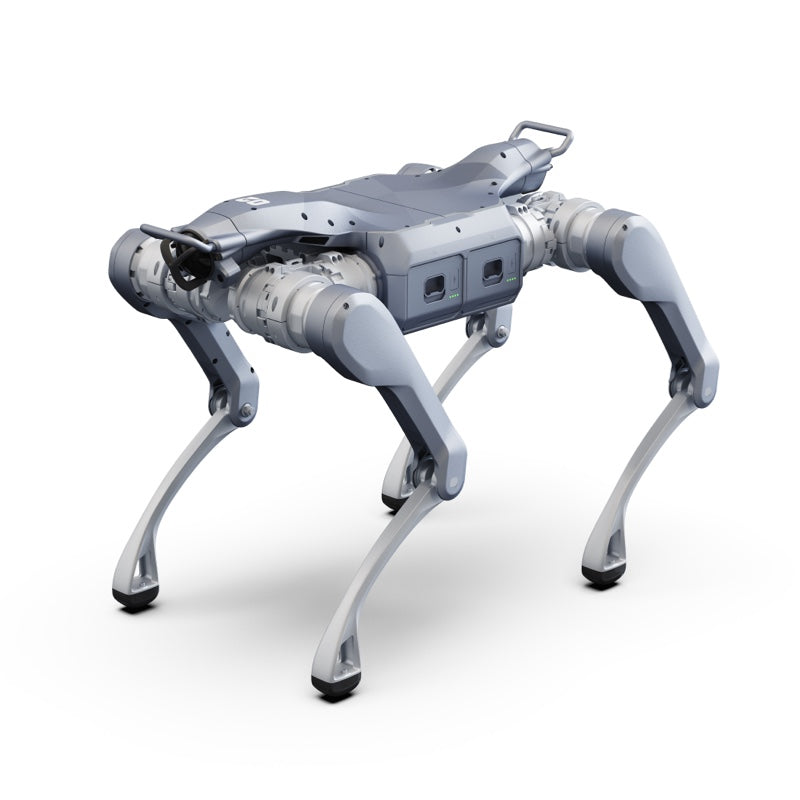
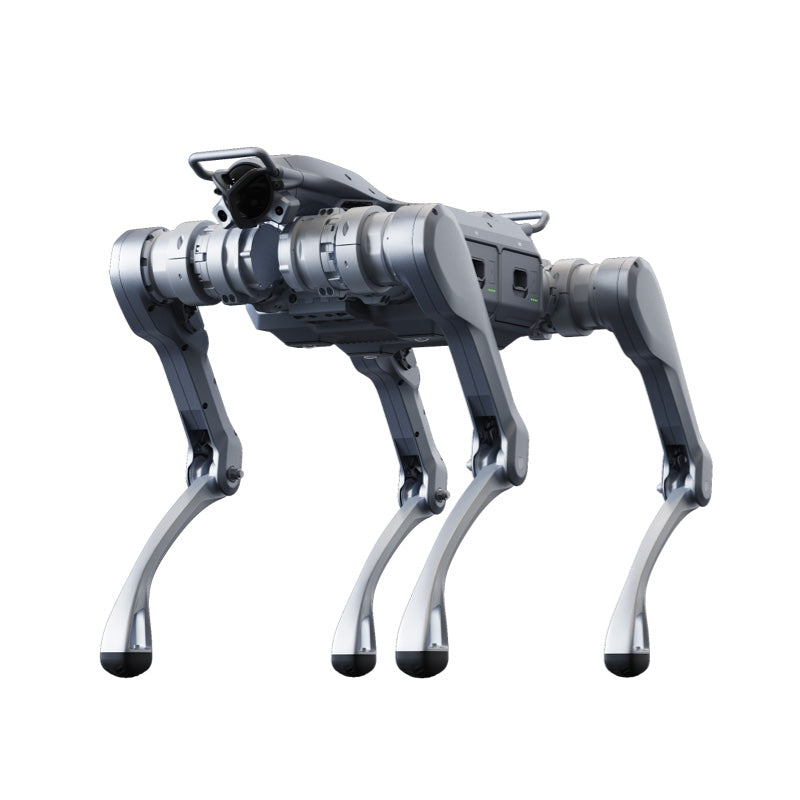
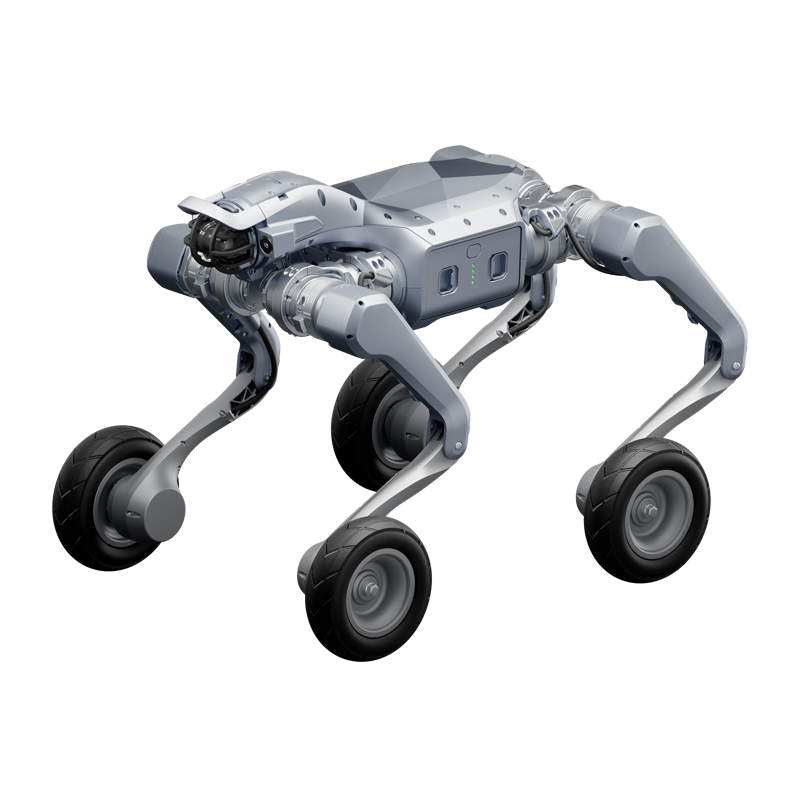
Weatherized build
Unloaded endurance

x1 on A2, x2 on A2 Pro
Max speed
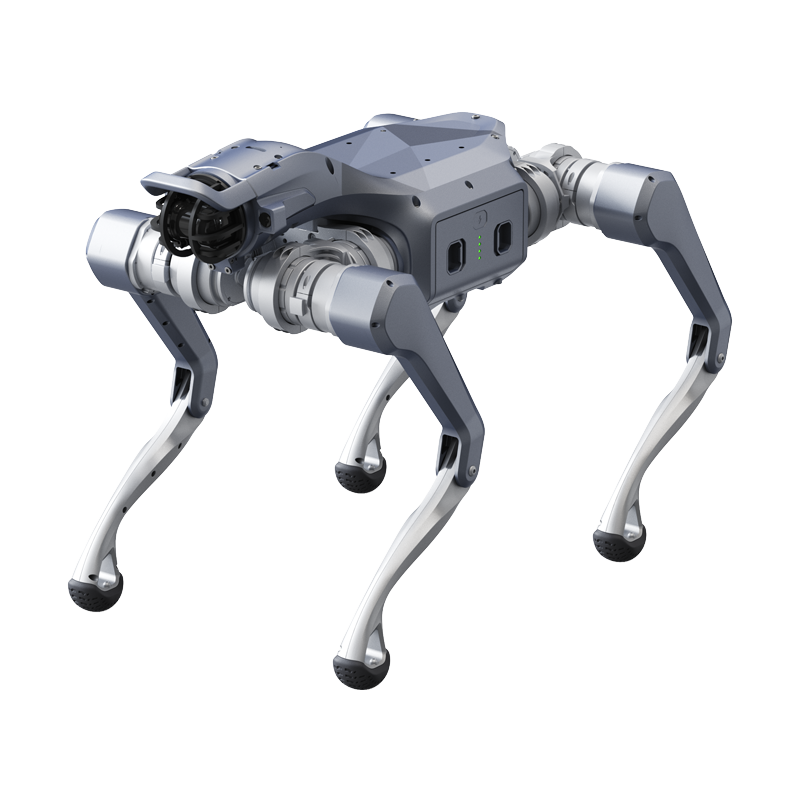
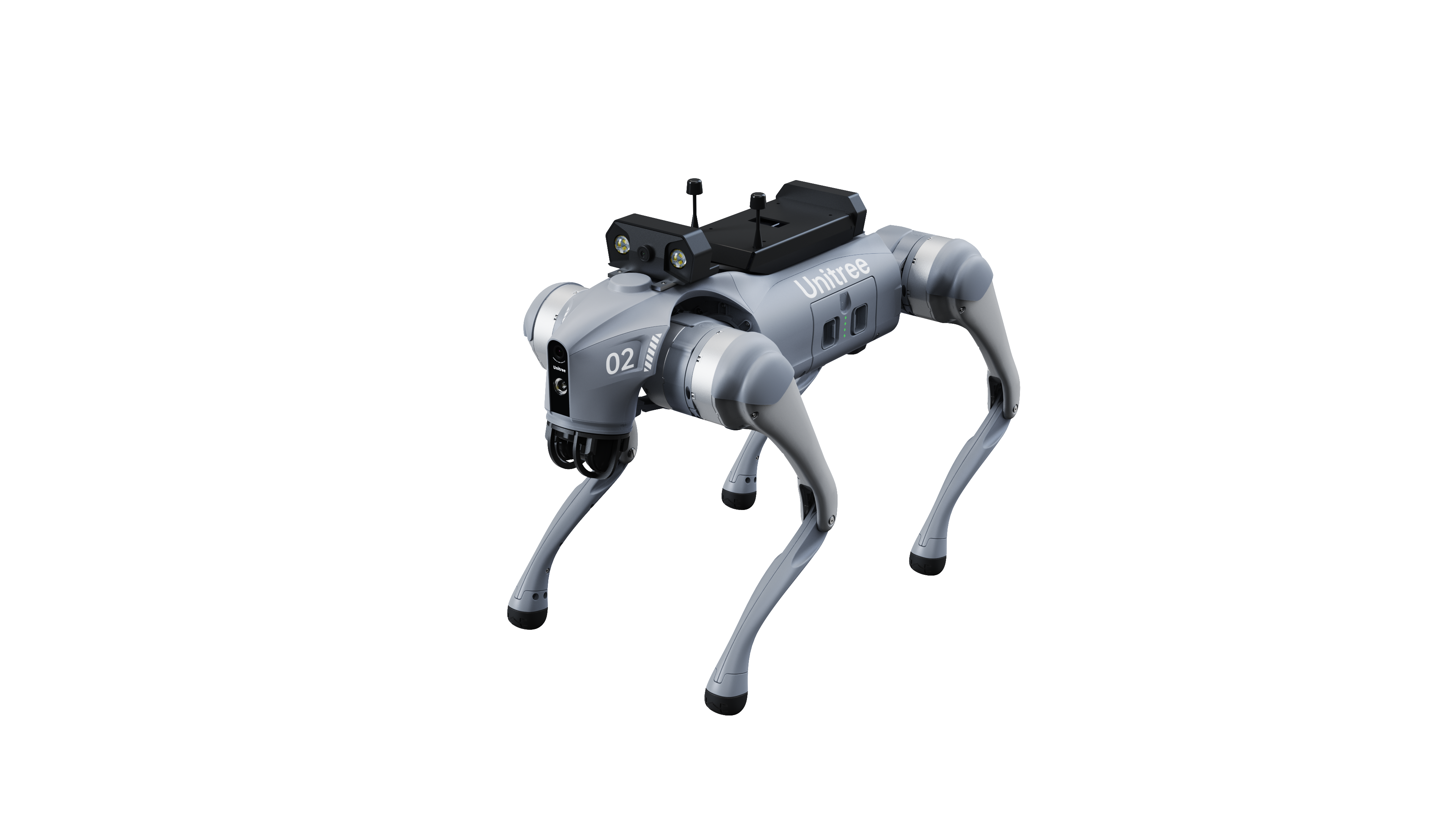
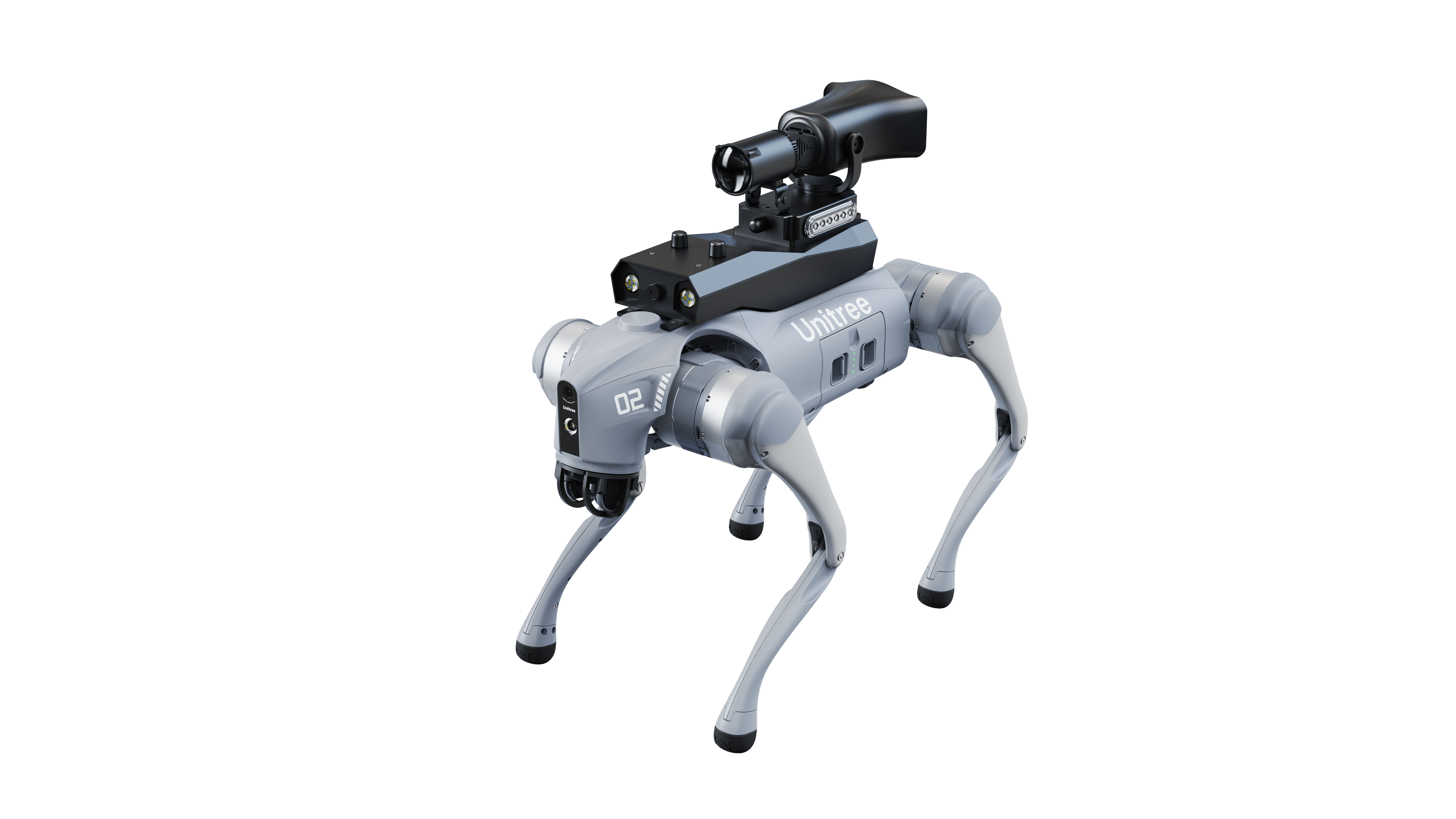
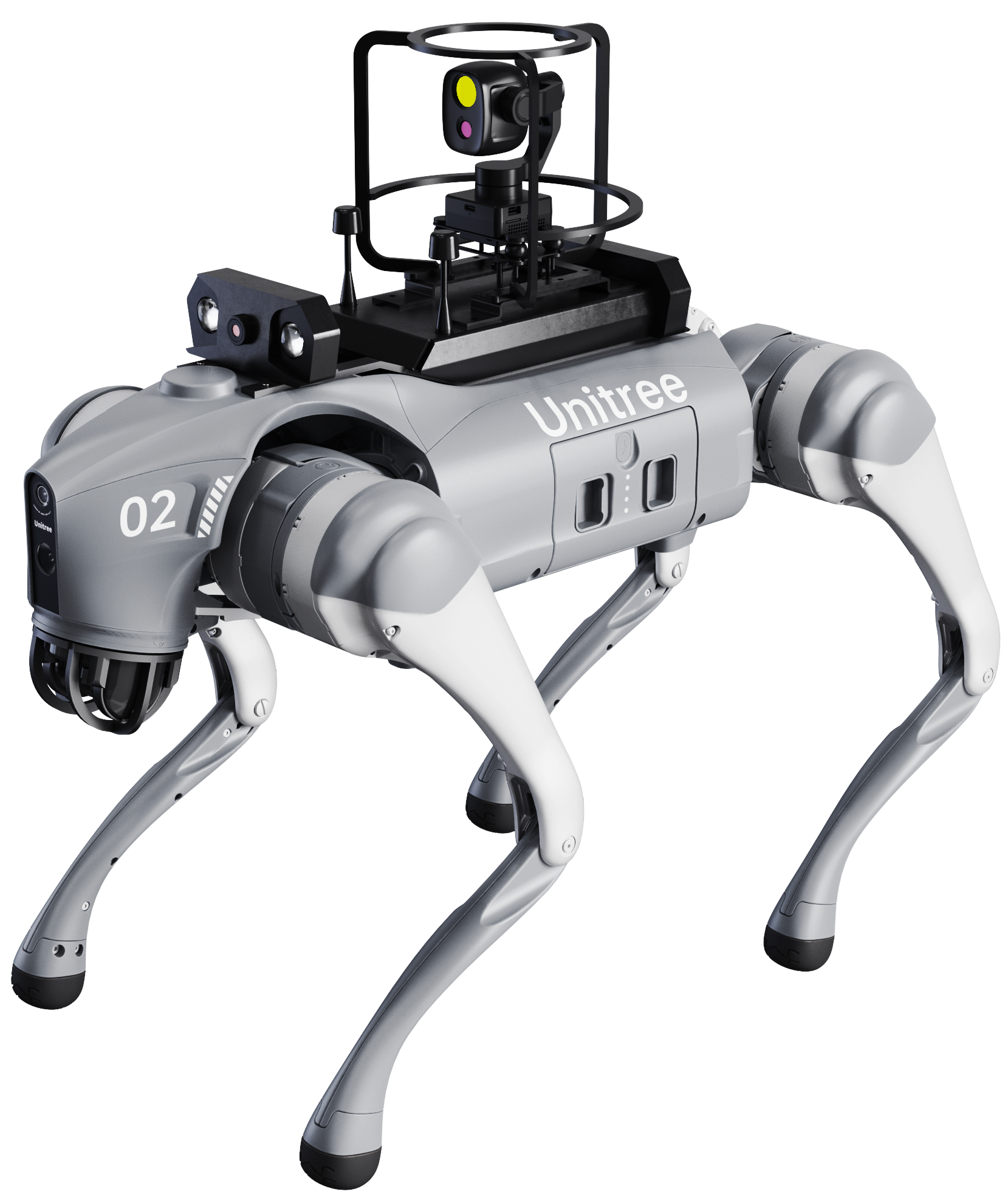
Unitree Go2 Ent Quadruped Robot
Obstacle avoidance
Mission payload options

Rough terrain
Long-range battery
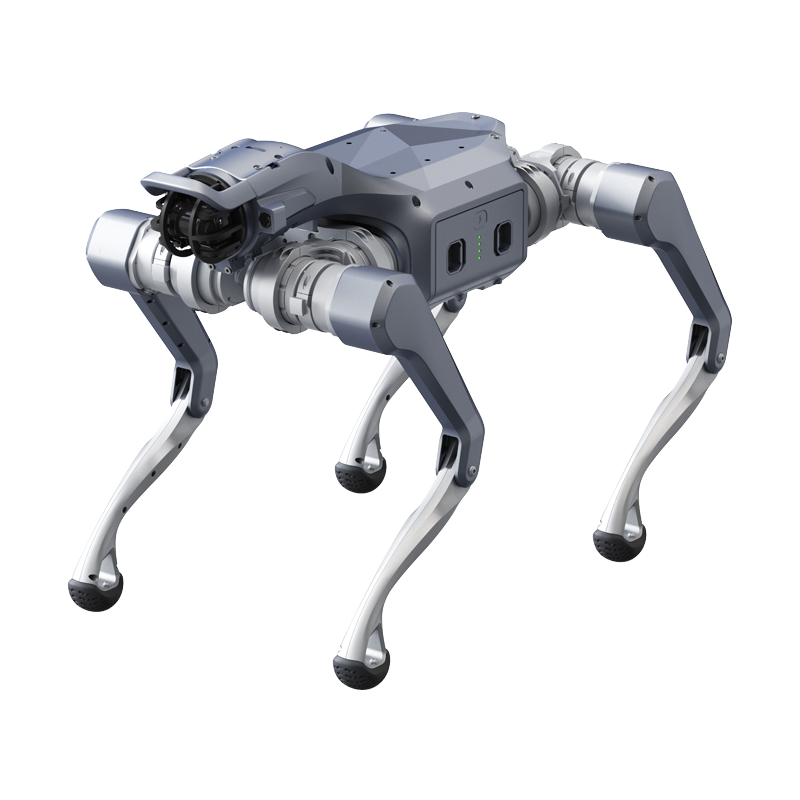
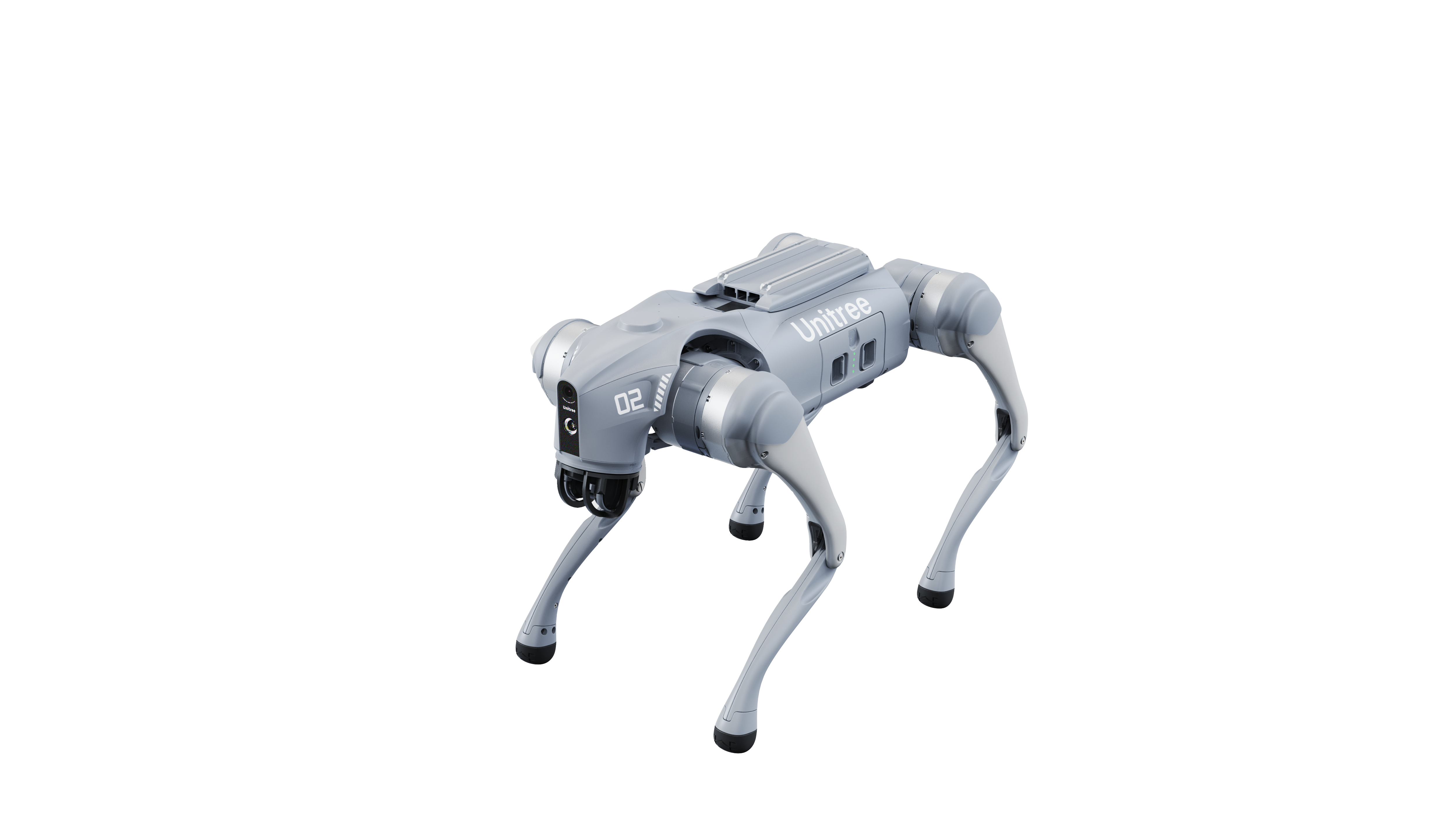
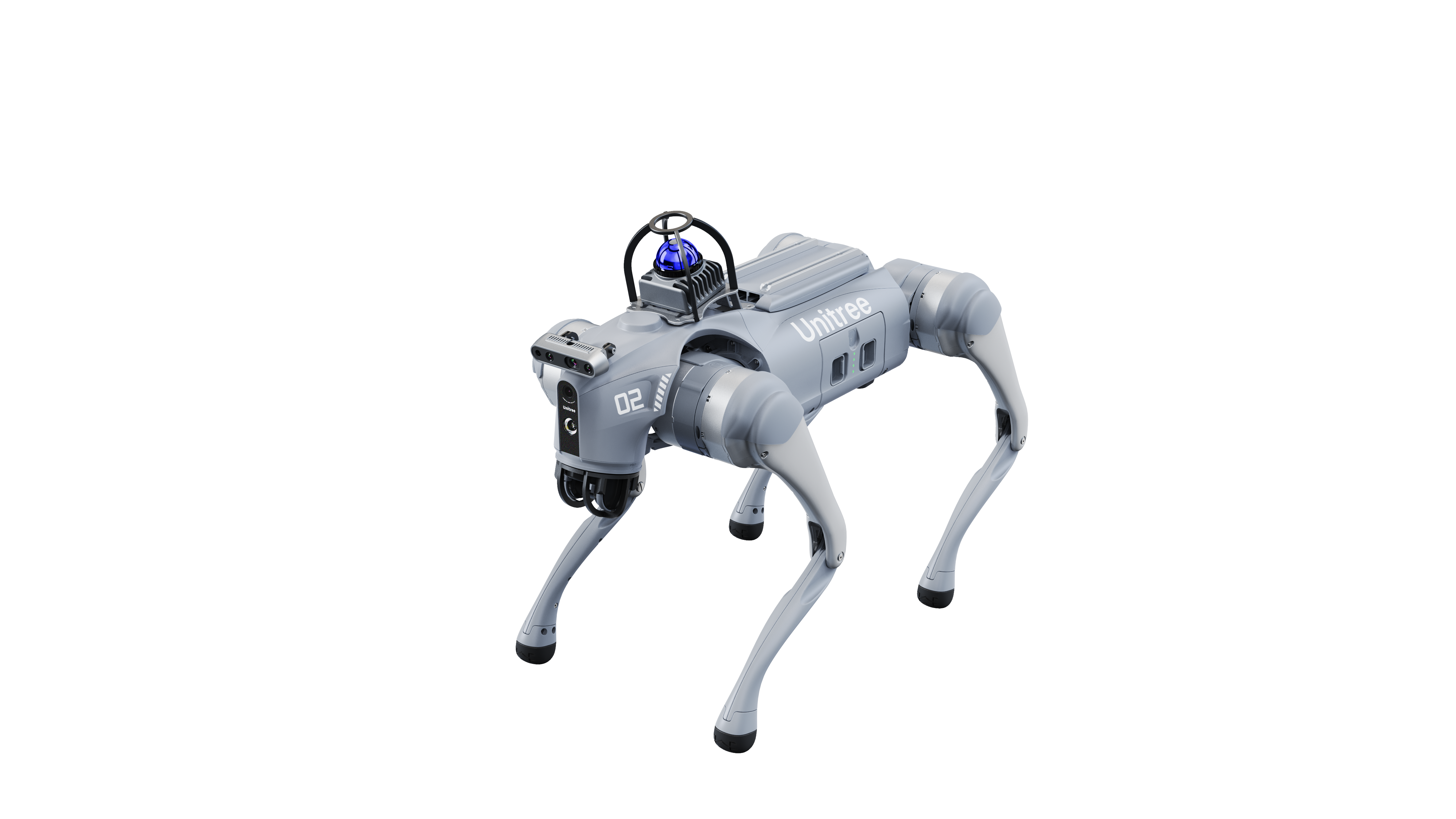
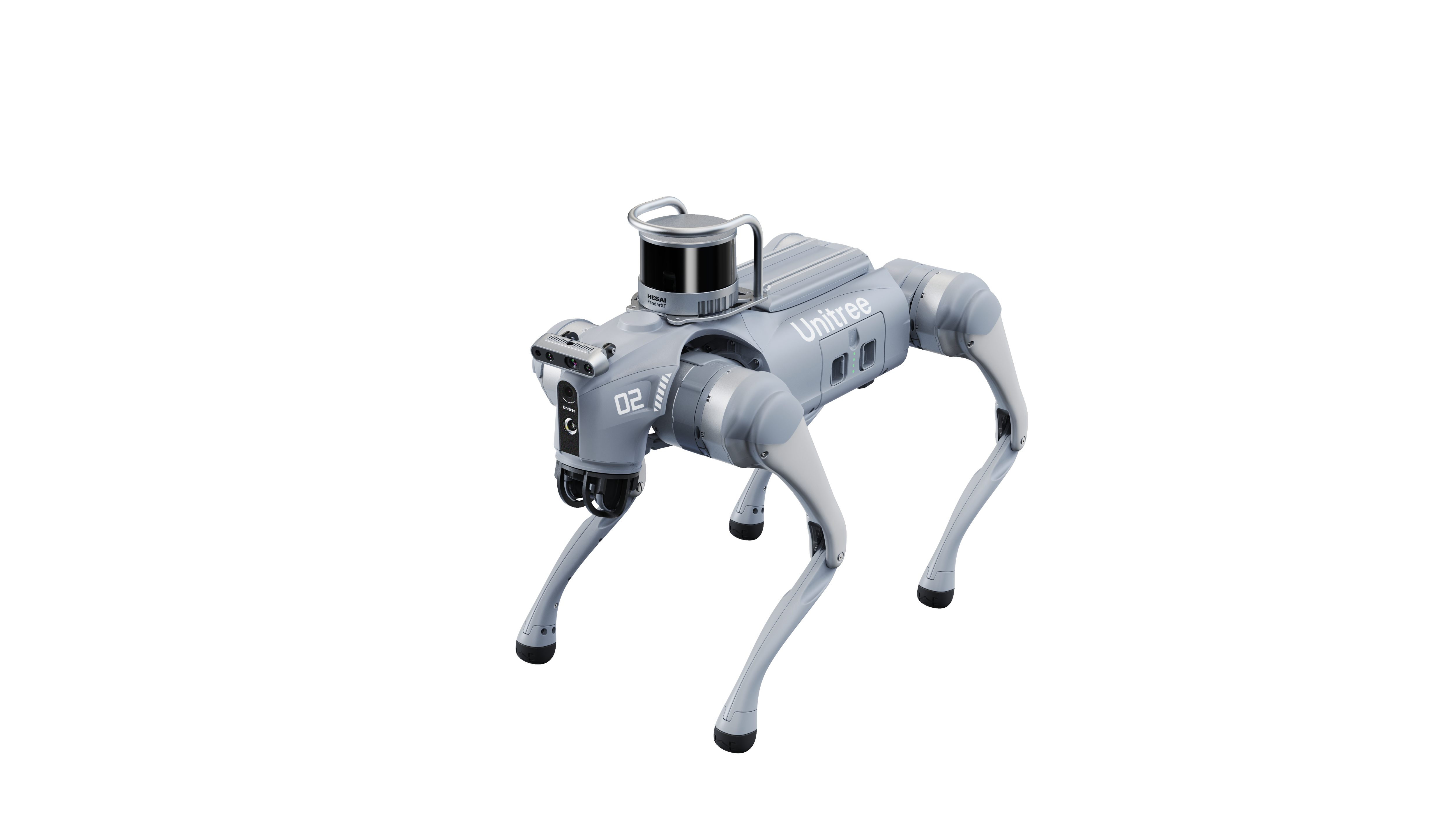
Unitree Go2 Edu Quadruped Robot
Full developer access

Jetson Orin compute
360°×96° perception

Low-level joint control
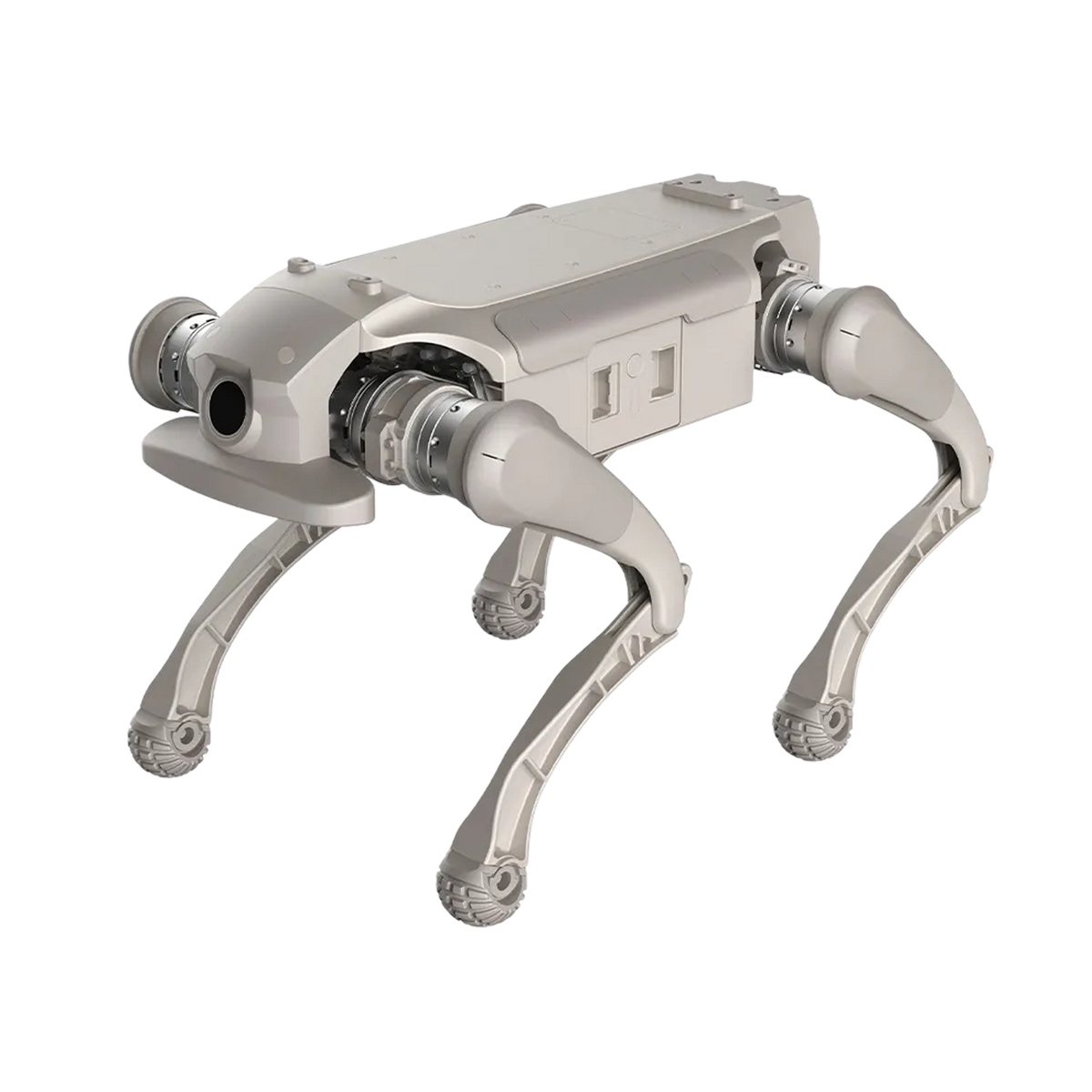
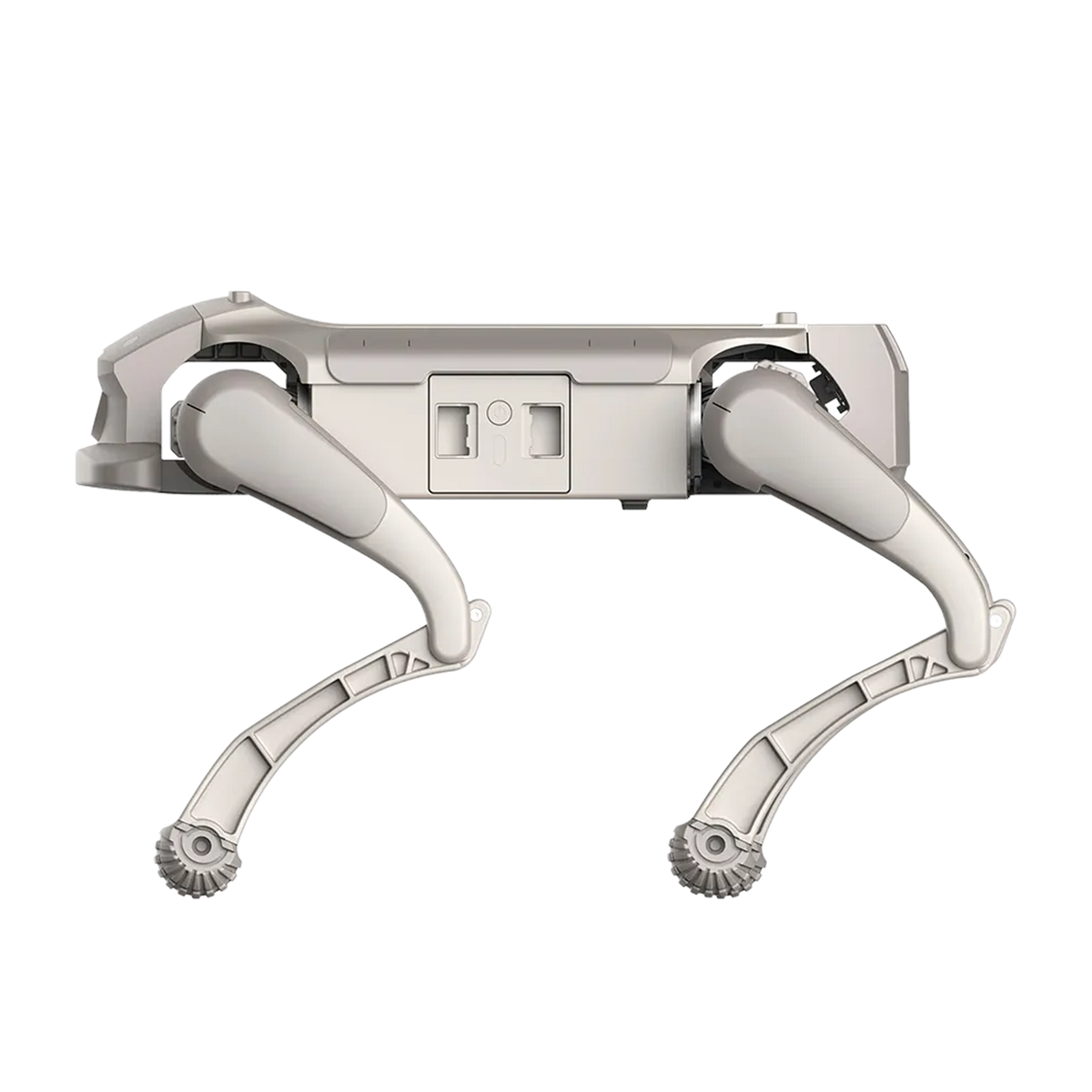
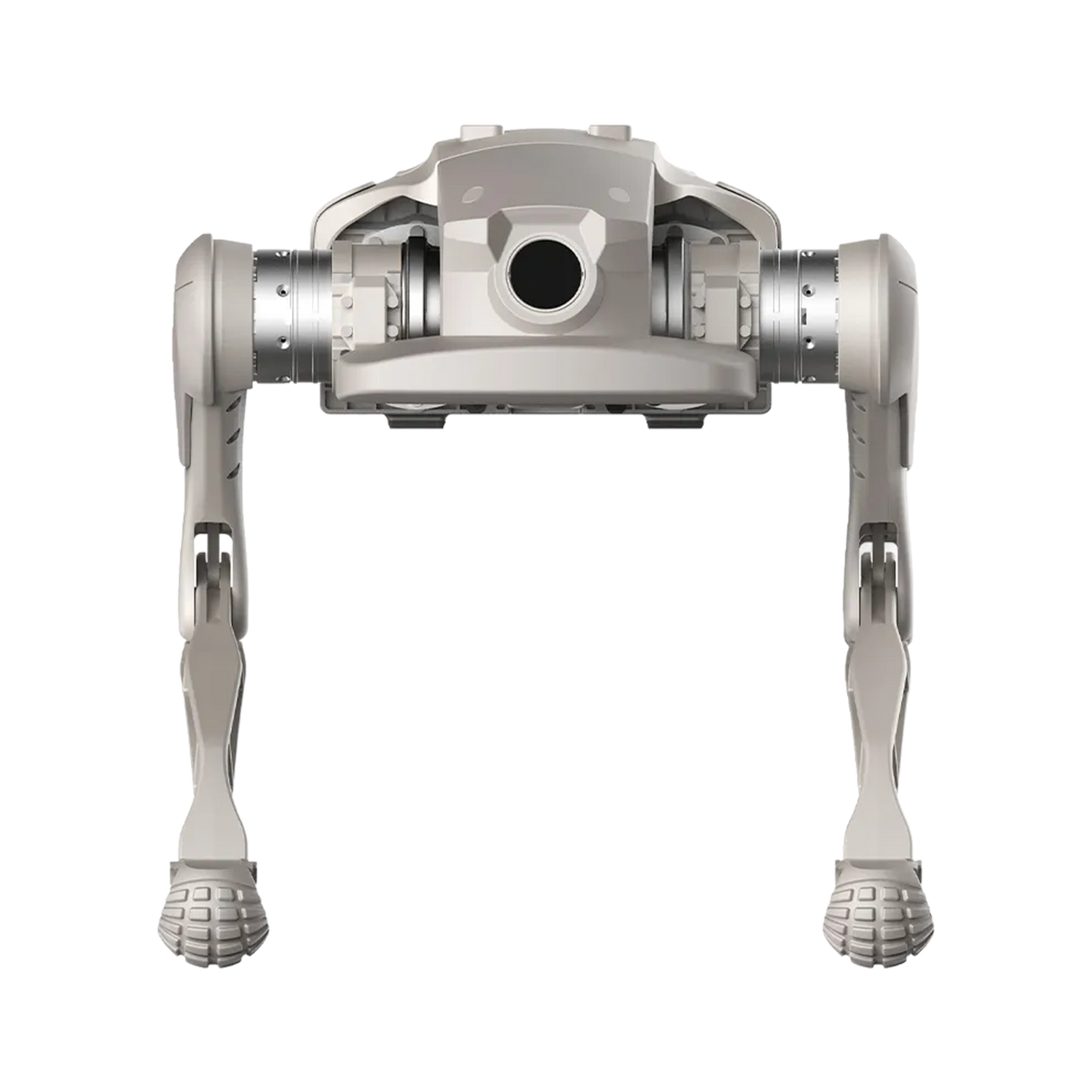
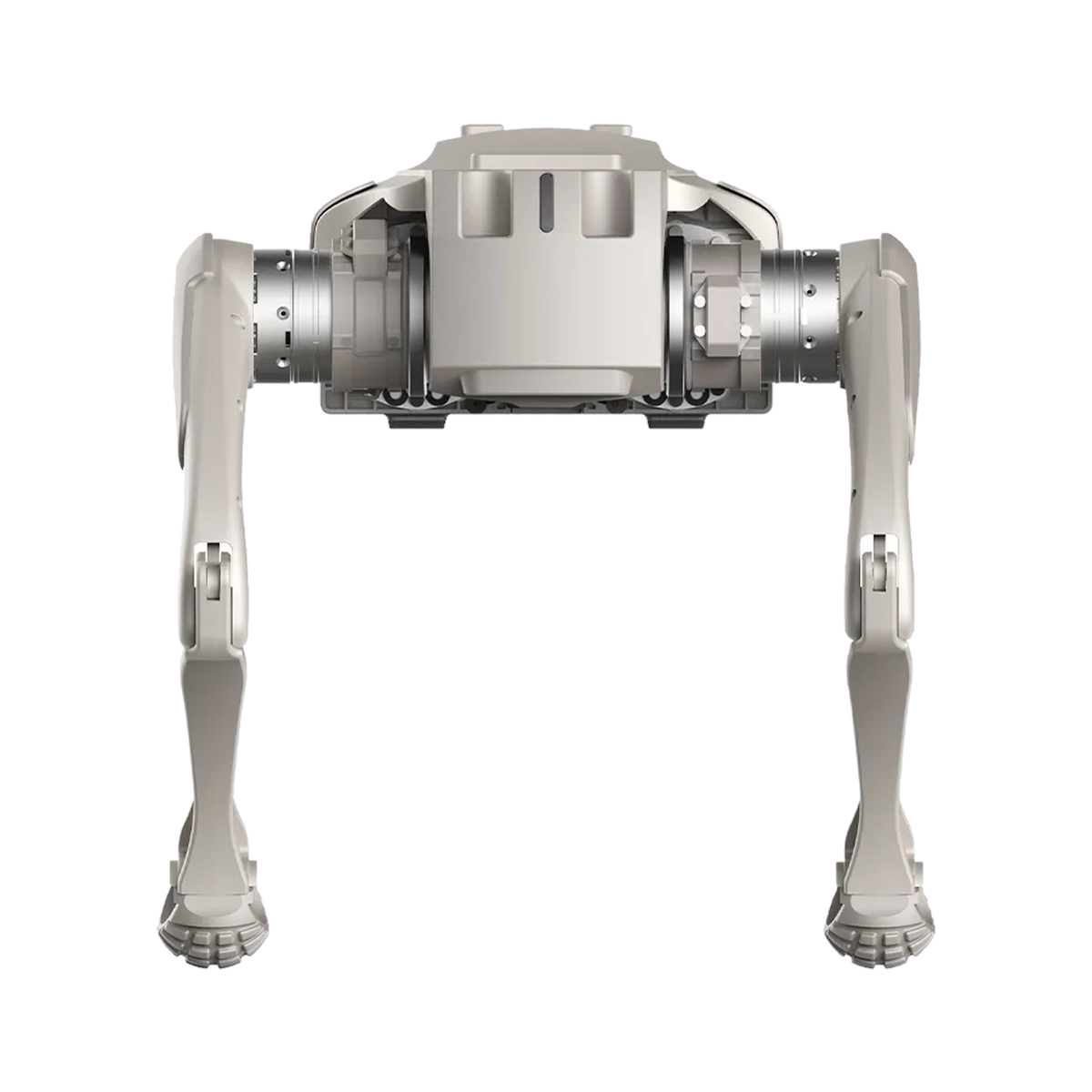
AgiBot D1 Ultra Quadruped Robot
Max speed
Effective payload

Weight with battery
Max climbing angle
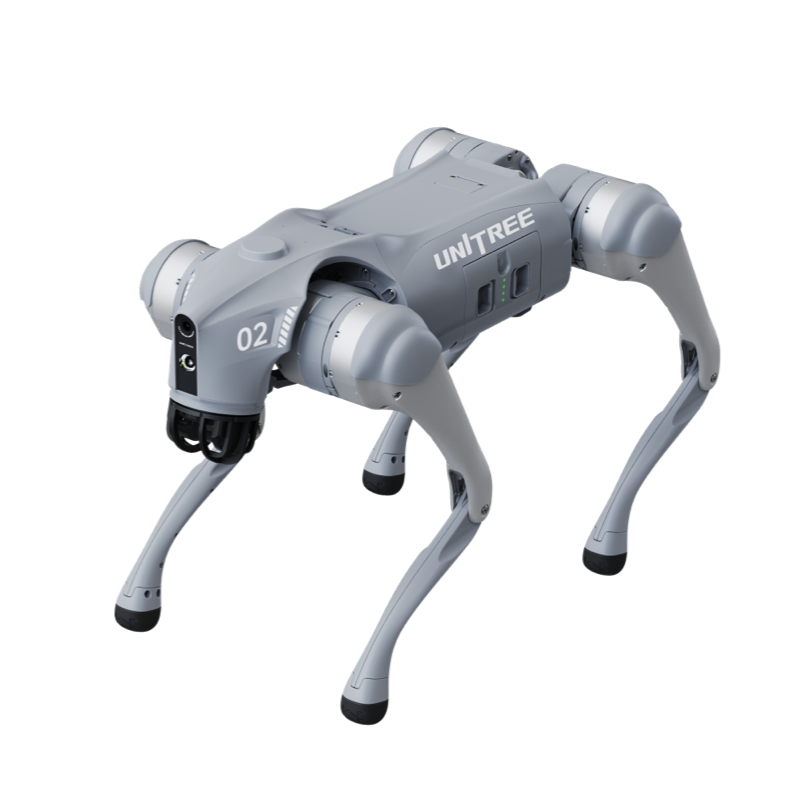
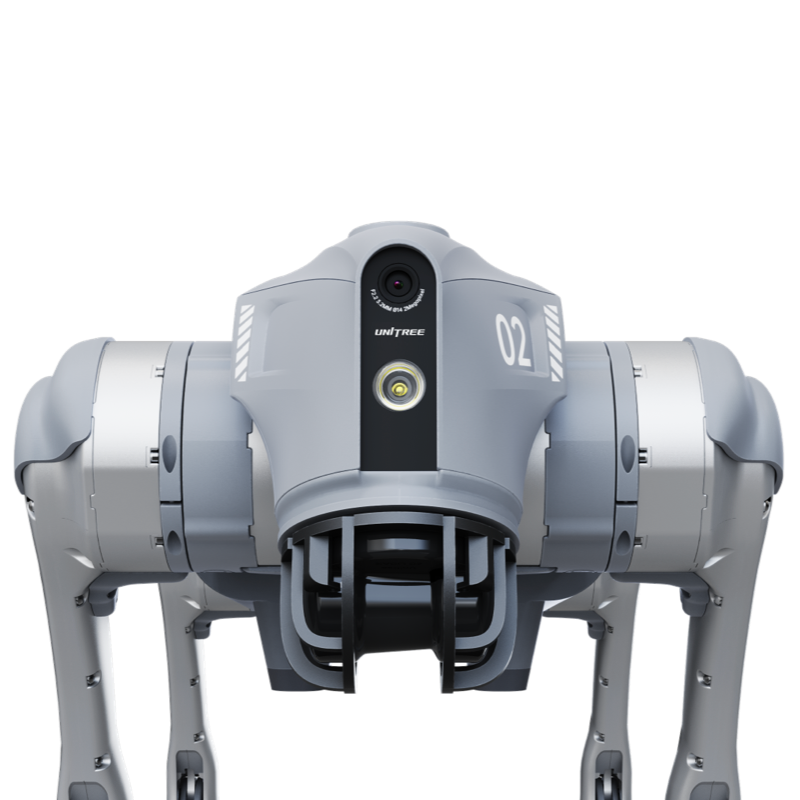
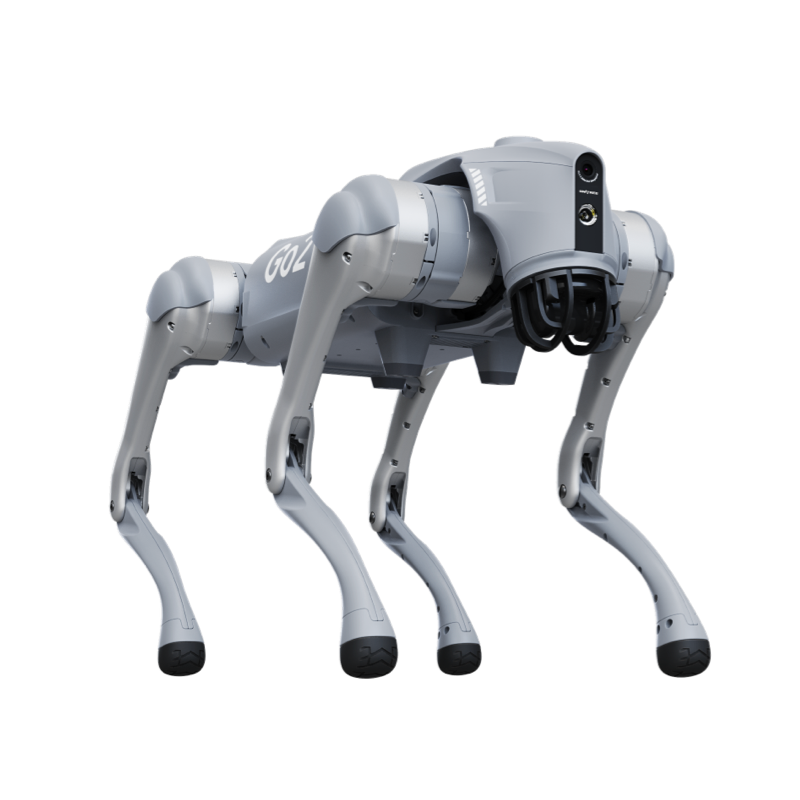
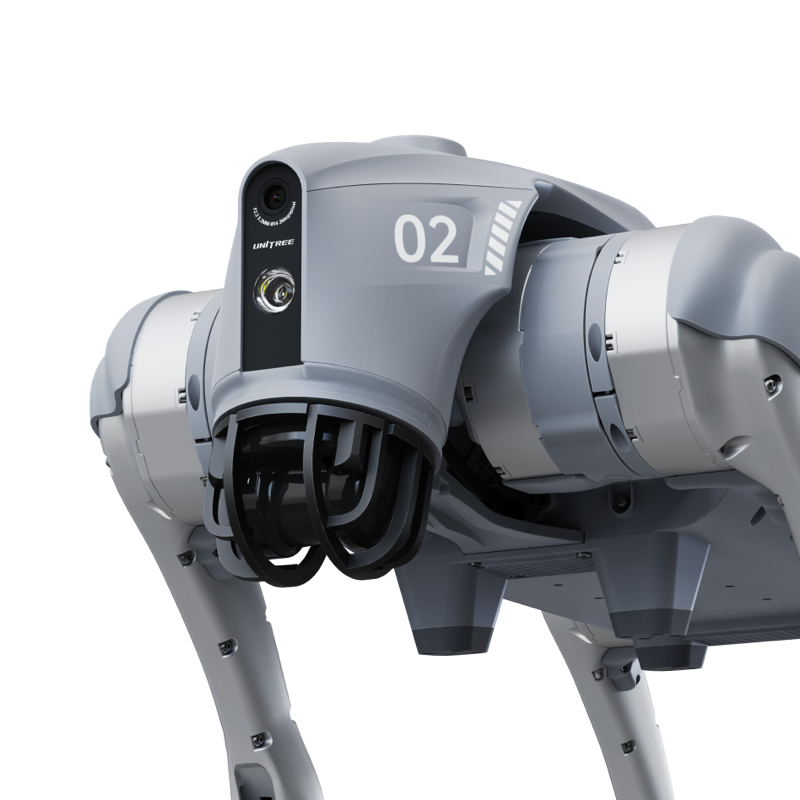
Max speed
360° perception
Joint motors
Terrain capability
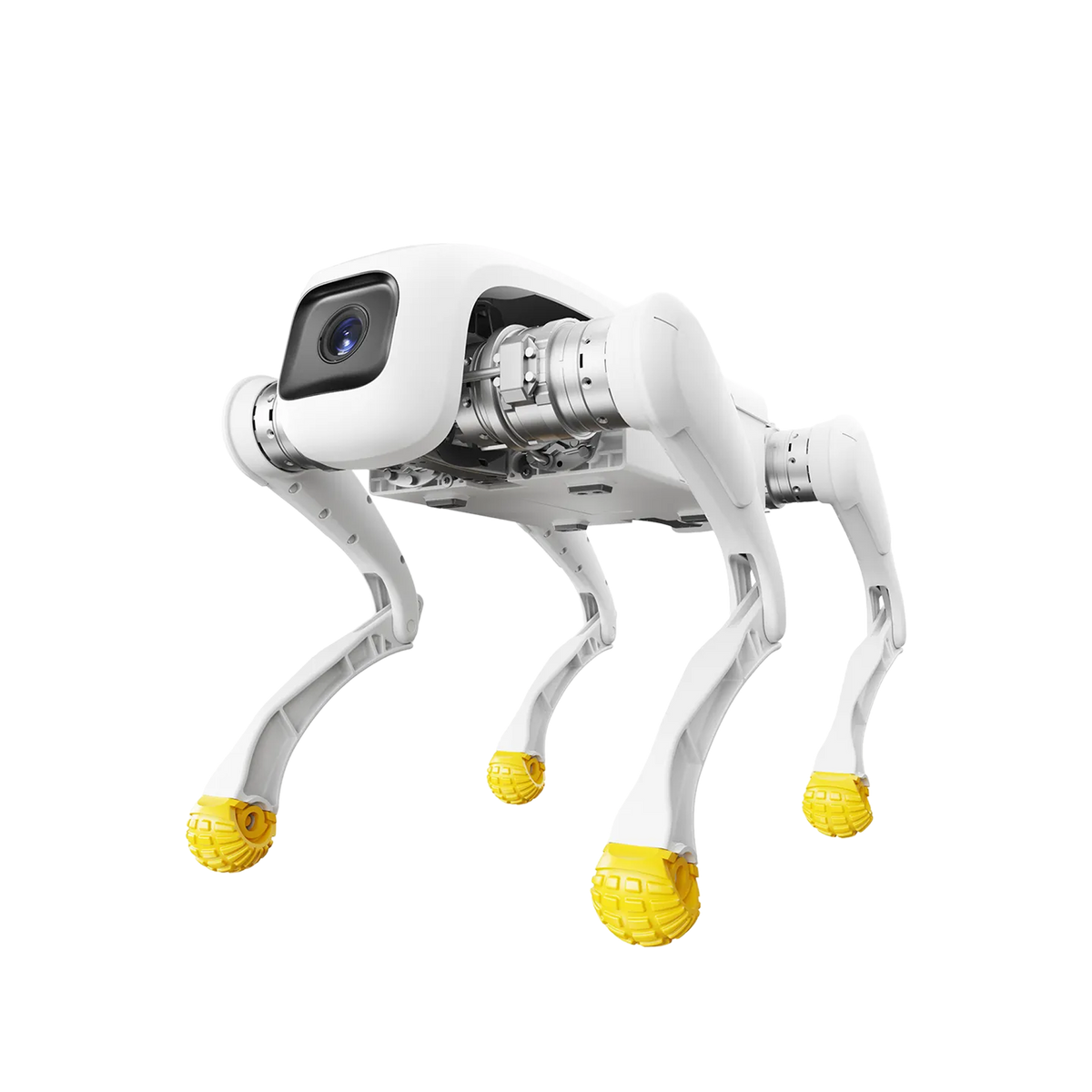
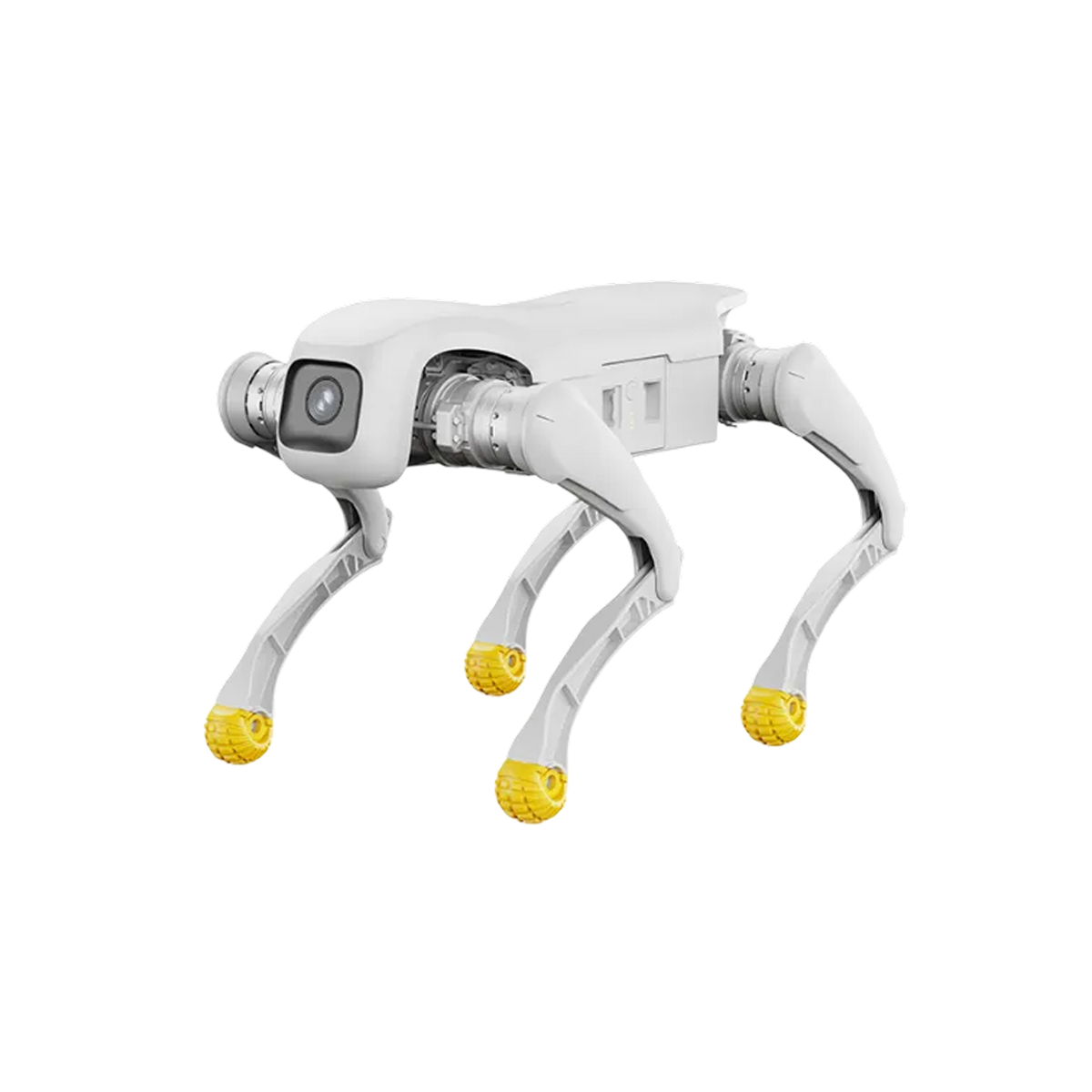
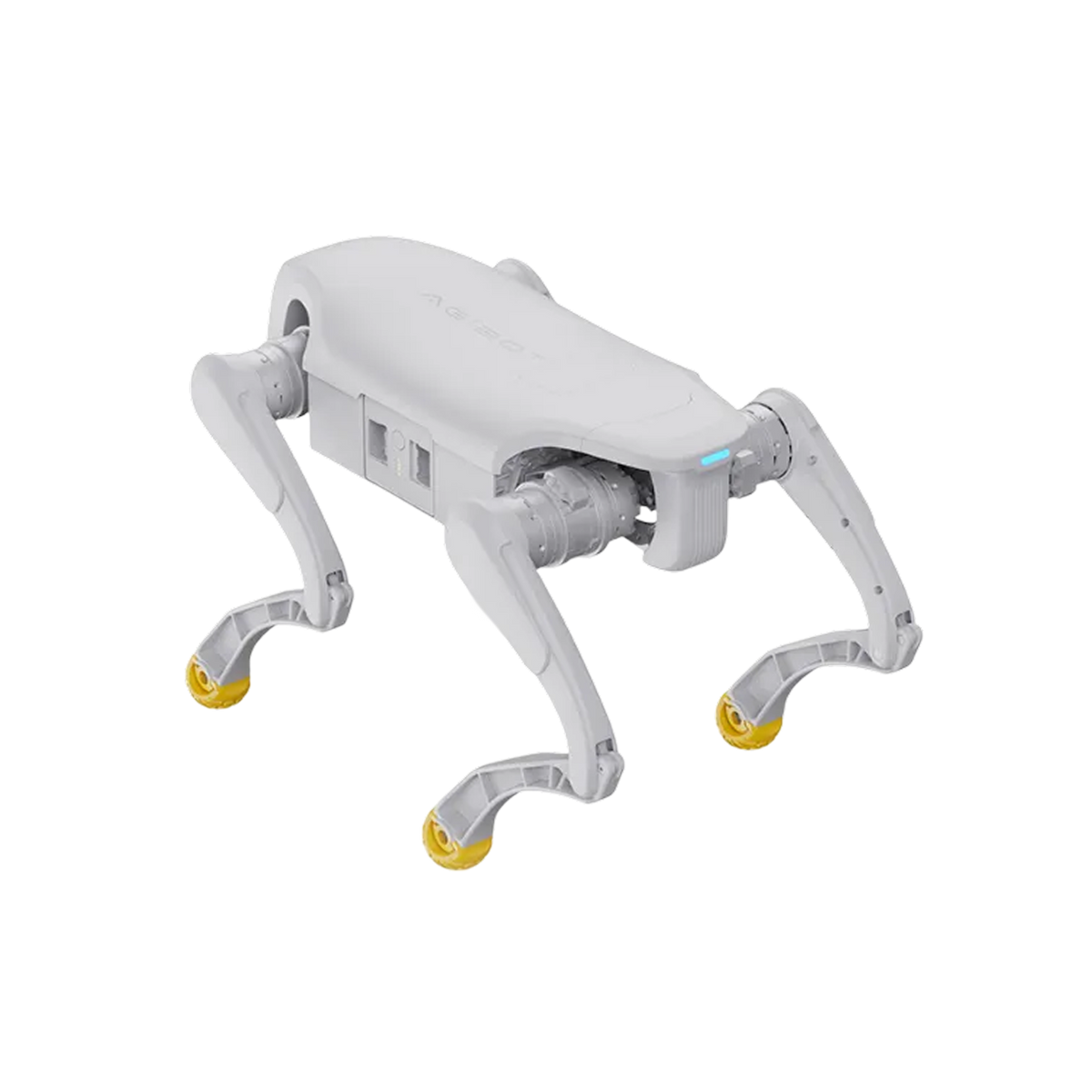
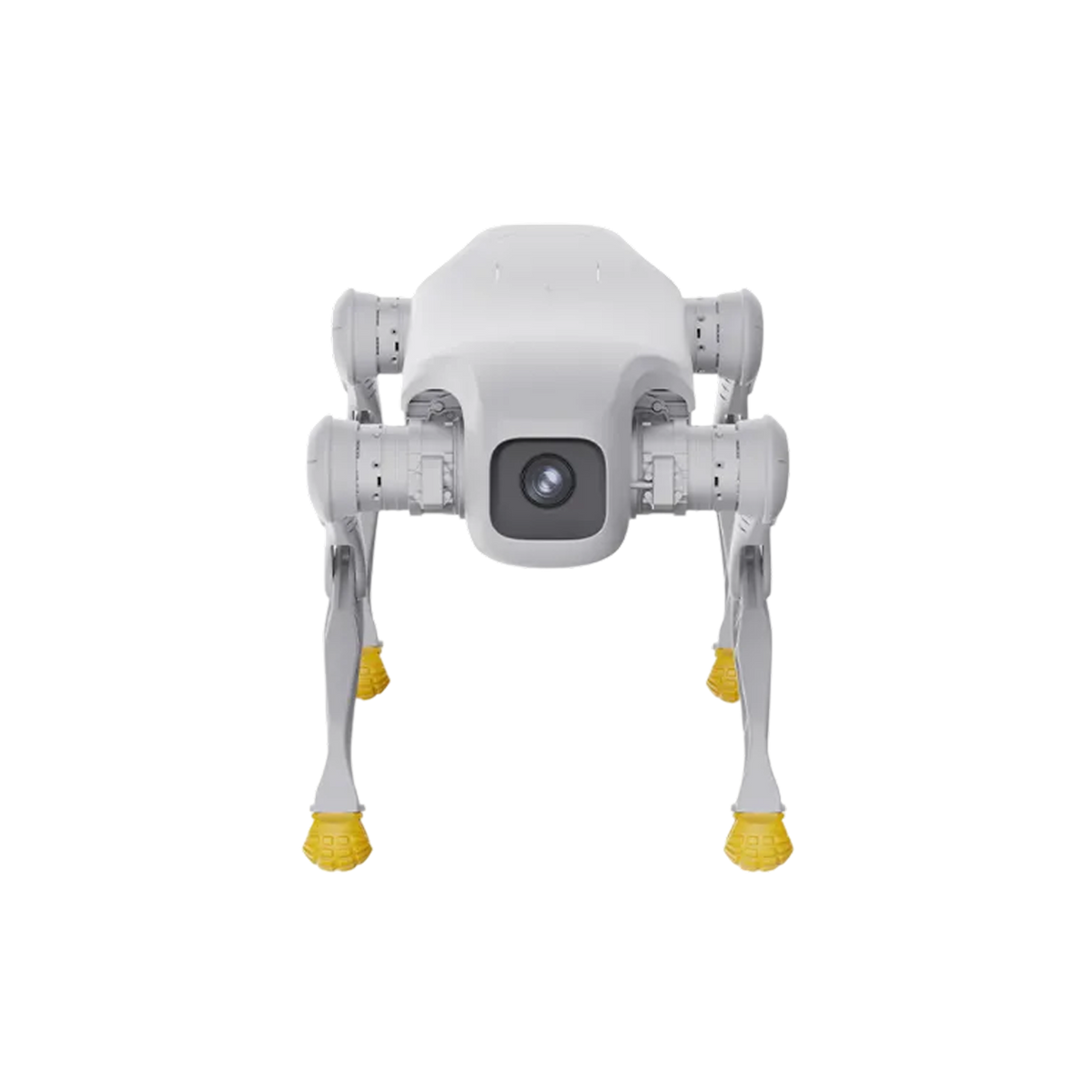
AgiBot D1 Pro and D1 Edu Quadruped Robot
Max speed
Vertical jump
Weight with battery

Expansion ports and API

Maximize Yield. Minimize Labor.
Cover more ground with precision agriculture technology.
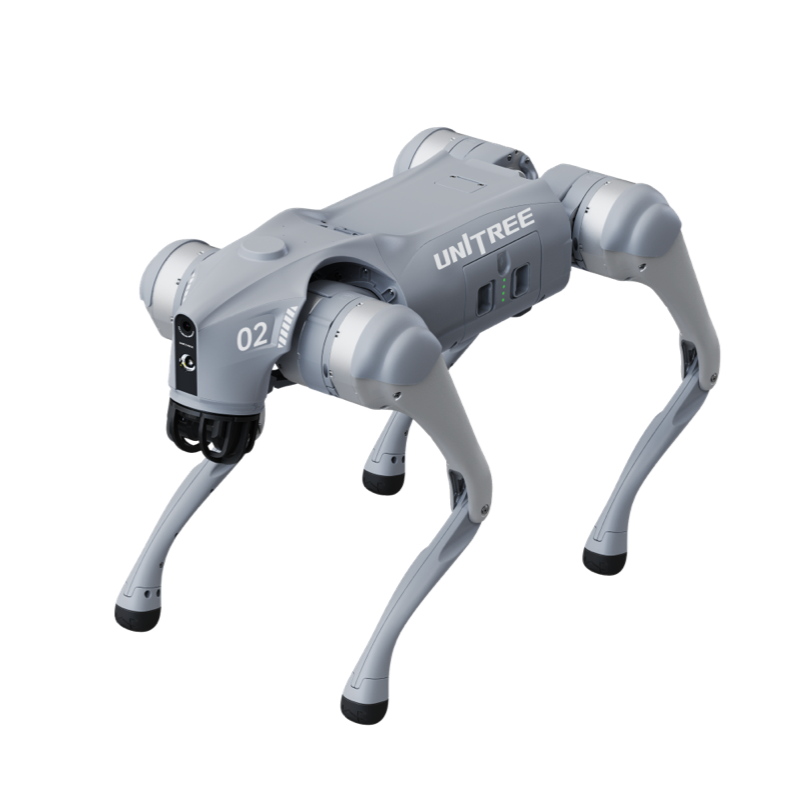
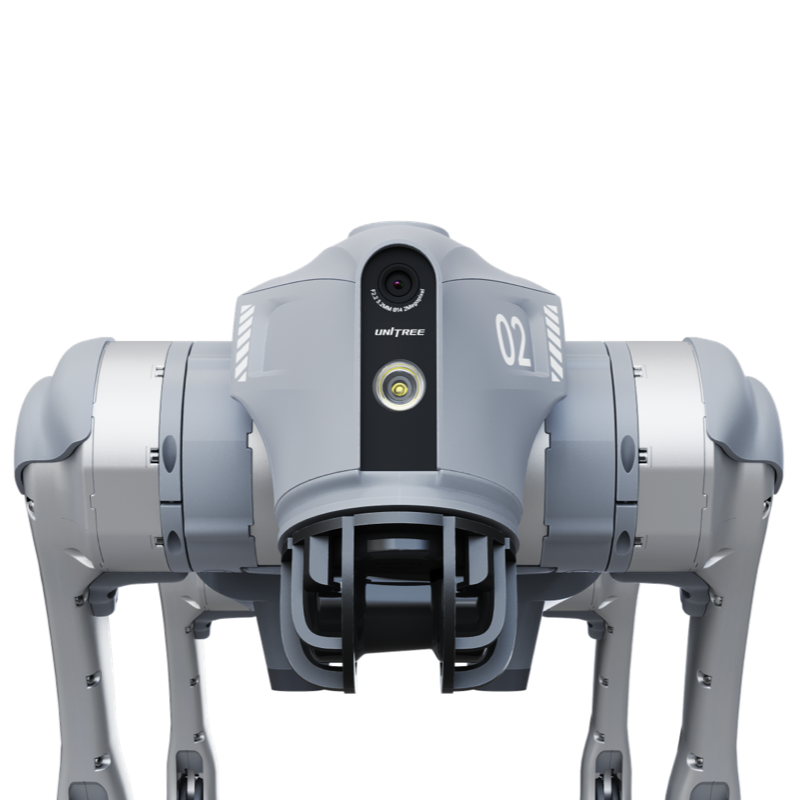
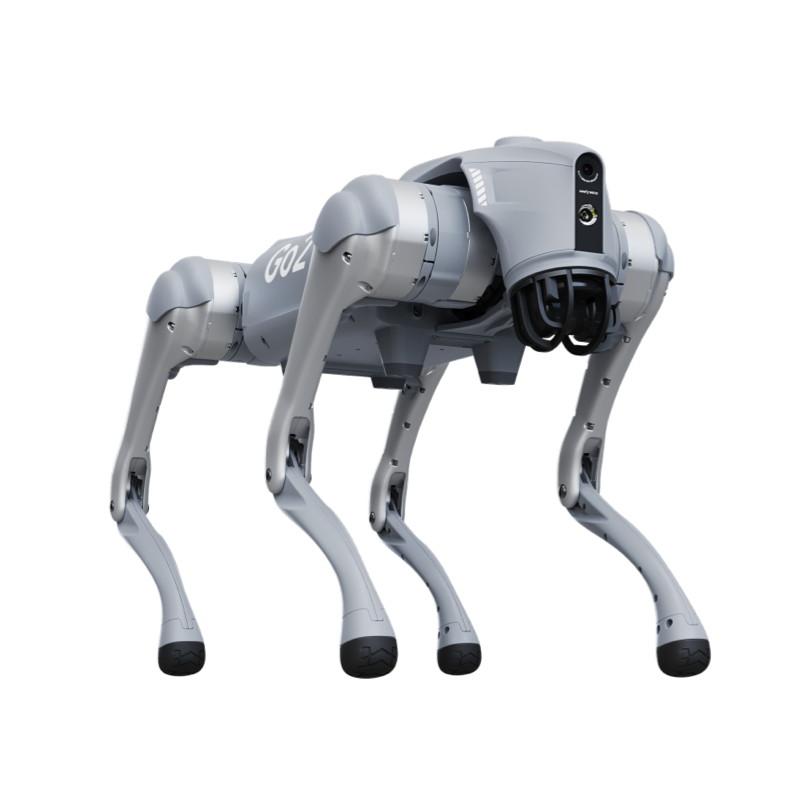
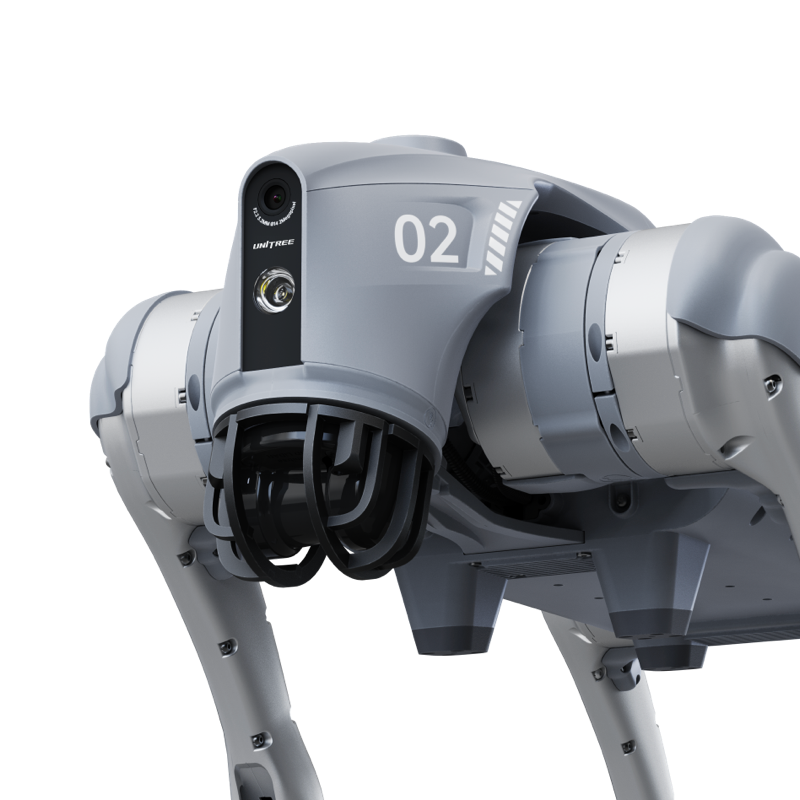
Max speed
360°×96° perception
Precision joint motors
Max terrain climb
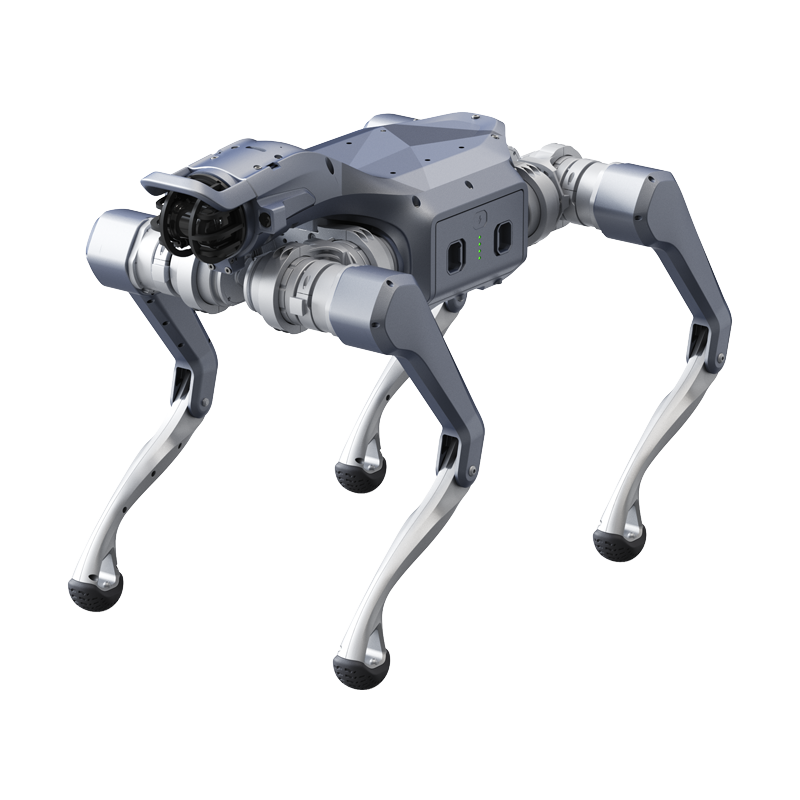
Robot dogs, properly called quadruped robots, walk where wheels cannot. Global Drone HQ carries quadrupeds from Unitree and AgiBot, from the Unitree Go2 Pro at $3,790 up to the AgiBot D1 Max at $42,999. Every model listed here carries its own verified US equipment authorization, and every unit ships from US-based authorized distribution.
Quadrupeds have moved out of the lab and onto real sites. They climb stairs, cross rubble and gravel, carry sensors into spaces that are unsafe or simply inconvenient for people, and run the same route the same way every night. The three things that separate one platform from another are payload, protection rating, and whether you need an open SDK.
How to ChoosePayload, protection, and SDK access
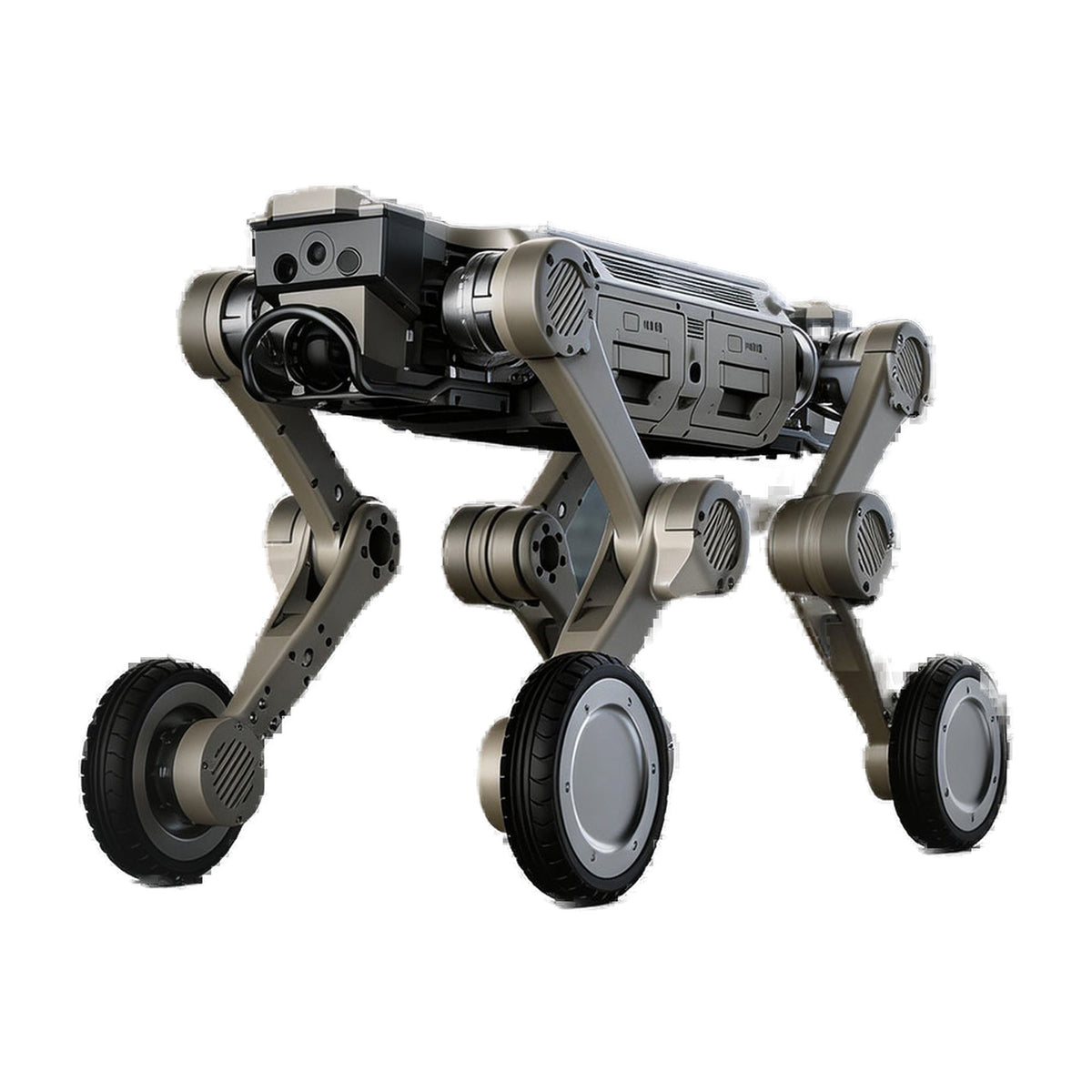
Payload decides what sensors you can actually mount. Compact platforms in the Go2 family carry a few kilograms, enough for a camera, a small LiDAR unit or a gas sensor. The AgiBot D1 Max is rated for 25 kg (55 lb), which puts a full inspection payload stack within reach.
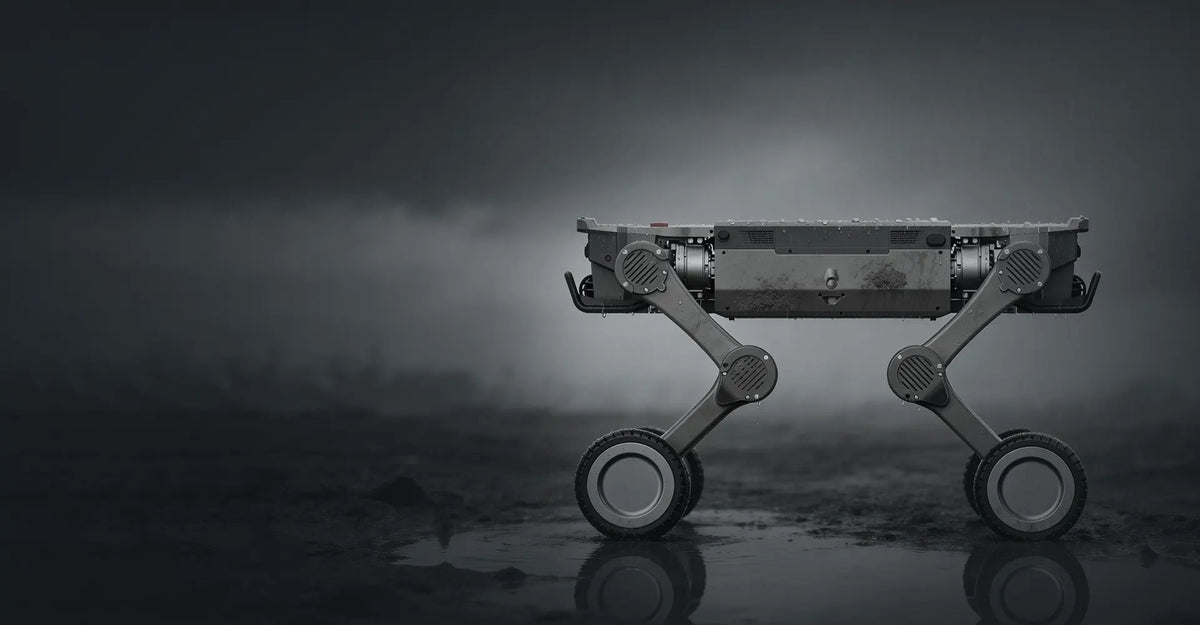
Protection rating decides where it can work. Ratings across this range run from IP54, which is fine indoors and in light dust, up to IP67 on the D1 Max, which handles rain, washdown and outdoor industrial sites.
SDK access decides whether you are operating a finished product or building on a platform. Education and research variants expose low-level control and are the right choice for a university lab or an integrator. Enterprise variants ship locked down for operators who want to run missions, not write code.
Where They WorkApplications
Security and Site Patrol
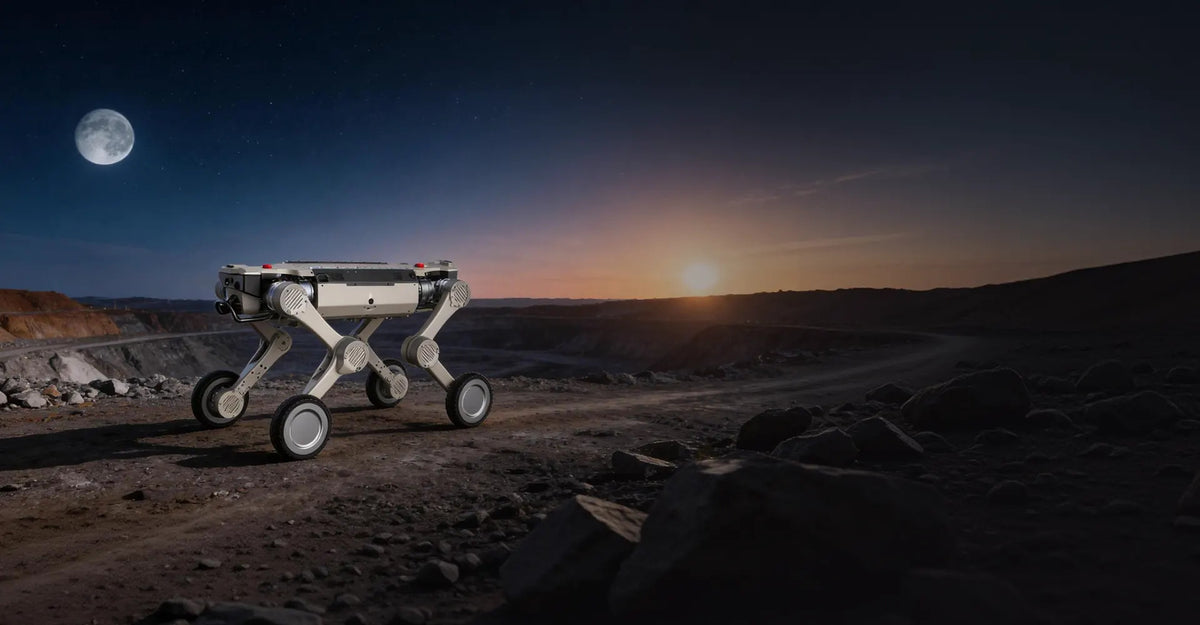
Scheduled night routes through yards, perimeters and warehouses, covering ground that fixed cameras miss and that aerial platforms cannot reach indoors.
Industrial Inspection
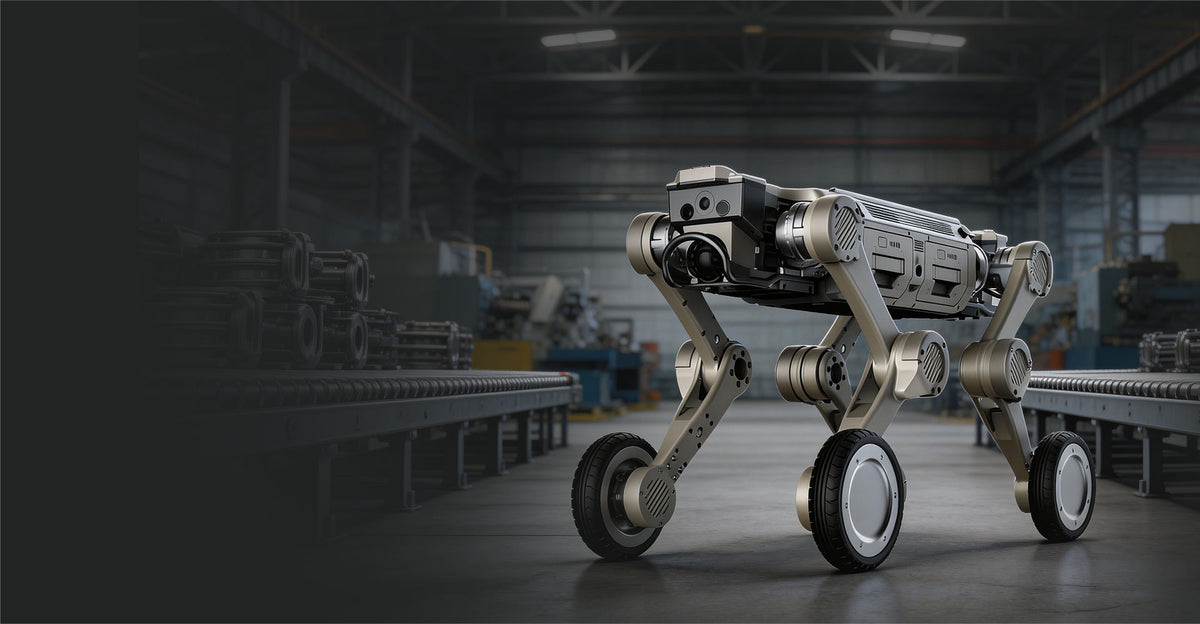
Substations, refineries, plant rooms and tunnels, where stairs, catwalks and confined spaces rule out wheeled robots.
Research and Education
Universities and labs building locomotion, autonomy and manipulation research on an SDK-open platform instead of from scratch.
Public Safety and Hazmat
Sending a machine into a structure, a spill or a post-incident scene first, before committing people to it.
Pairing quadrupeds with drones
Ground robots and aerial platforms solve different halves of the same problem. A drone gives you fast wide-area coverage and a view from above. A quadruped gives you persistent indoor coverage, close-up sensor placement and the ability to stay on station. Security and inspection programs increasingly run both, and our security drone and enterprise drone lines are specified to work alongside these platforms.
Quadruped Robot Guides
Robot Dog Questions
How much does a robot dog cost?
Quadrupeds in this collection run from $3,790 for the Unitree Go2 Pro to $42,999 for the AgiBot D1 Max. Compact research and education platforms sit at the low end, mid-size patrol platforms in the $7,000 to $12,000 range, and industrial wheel-leg platforms at the top.
What can a quadruped robot carry?
Payload is the main dividing line. Compact Go2 platforms carry a few kilograms, enough for a camera, small LiDAR or a gas sensor. The AgiBot D1 Max is rated for 25 kg (55 lb), which supports a full inspection payload stack.
Can a robot dog work outdoors in the rain?
It depends on the protection rating. Ratings here run from IP54, suited to indoor use and light dust, up to IP67 on the AgiBot D1 Max, which handles rain, washdown and outdoor industrial environments.
What is the difference between Edu and Enterprise versions?
Education and research variants expose low-level SDK control, which is what a university lab or systems integrator needs. Enterprise variants ship locked down for operators who want to run missions rather than write code.
Are these robots legal to buy and operate in the US?
Every model listed in this collection has a US equipment authorization we have verified. After the FCC rule change of July 28, 2026, some variants lost valid authorization and we do not list those. Ask us about any specific model and we will confirm its status.
Do you accept purchase orders from universities and agencies?
Yes. We quote per deployment and accept purchase orders from universities, agencies and enterprise buyers. Multi-unit and program pricing is available.
Not sure which platform fits?
Tell us the site, the payload and whether you need SDK access. We will spec the right quadruped and send a formal quote. University, agency and multi-unit pricing available.
Request a Quote