Public Safety Drones
In recent years, public safety drones have emerged as vital tools revolutionizing the way emergency responders operate. Equipped with advanced technology such as thermal imaging, high-resolution cameras, and real-time communication capabilities, these drones provide unparalleled situational awareness that enhances the safety and effectiveness of law enforcement, firefighting, search and rescue, and medical emergency teams. By delivering rapid aerial intelligence, public safety drones enable faster decision-making, safer operations, and more efficient allocation of resources during critical incidents. As drone technology continues to evolve, public safety agencies are increasingly integrating these versatile aerial systems into their response efforts, saving lives and protecting communities in ways never before possible.
Operational Benefits in Public Safety
Drones have quickly become indispensable tools for first responders. They enhance situational awareness and allow emergency teams to act faster and safer. Key benefits include:
-
Faster Search and Rescue: In missing person cases or disaster scenarios, drones can cover large search areas far faster than ground teams. They scan wide terrains quickly and transmit live video to search teams. Thermal drones can pick up human heat signatures in forests, mountains, or collapsed buildings, drastically reducing search times. By directing rescuers to the exact location of a victim, drones increase the chances of a successful rescue. In critical situations where every second counts, this speed can save lives.
-
Improved Situational Awareness: Whether it’s a firefighting operation or a police incident, drones provide an eye in the sky that gives responders a complete picture. For example, firefighters use drones to see the spread of a wildfire or the layout of a burning building’s roof. Drones also provide valuable insights into fire behavior, directly enhancing decision making for better fire response and firefighter safety. Commanders can identify hotspots and plan safer entry routes for crews thanks to aerial thermal views. Police can monitor crowd movements during large events or protests with drones, improving crowd control and allowing strategic positioning of officers. Overall, drones deliver real-time data that helps incident commanders make informed decisions on deployment and tactics.
-
Safer Tactical Operations: Drones allow police SWAT teams or other tactical units to assess dangerous situations without risking personnel. In a hostage or armed suspect scenario, a drone can quietly surveil the area, giving insight into suspect location and any threats. This enables officers to plan with maximum intel. As noted, drones let teams assess risks from a safe distance and gather intelligence on suspect locations. In hazmat incidents, drones can also survey the scene (e.g., a chemical spill) and measure readings with attached sensors, keeping responders out of harm’s way until it’s safe. By minimizing blind entry into unknown environments, drones protect law enforcement and rescue personnel.
-
Efficient Resource Deployment: With live drone footage, public safety agencies can allocate their resources more effectively. They can quickly determine how many units are needed and where. For instance, if a drone spots that a wildfire is advancing toward a neighborhood, fire chiefs can proactively evacuate that area and stage firefighting units there. If police are chasing a suspect, an overhead drone feed can coordinate ground units to set up perimeters or intercept routes. This leads to faster response times and more coordinated efforts, as everyone is operating with the same real-time intelligence. Drones also free up manpower – one drone pilot can do the work of a whole scouting team, allowing more officers or firefighters to focus on their primary tasks.
Building and managing a comprehensive UAS program is essential for public safety agencies. A well-structured UAS program ensures regulatory compliance, supports effective operational planning, and allows agencies to customize drone operations to their specific needs.
Drone Platforms and Sensors for Public Safety
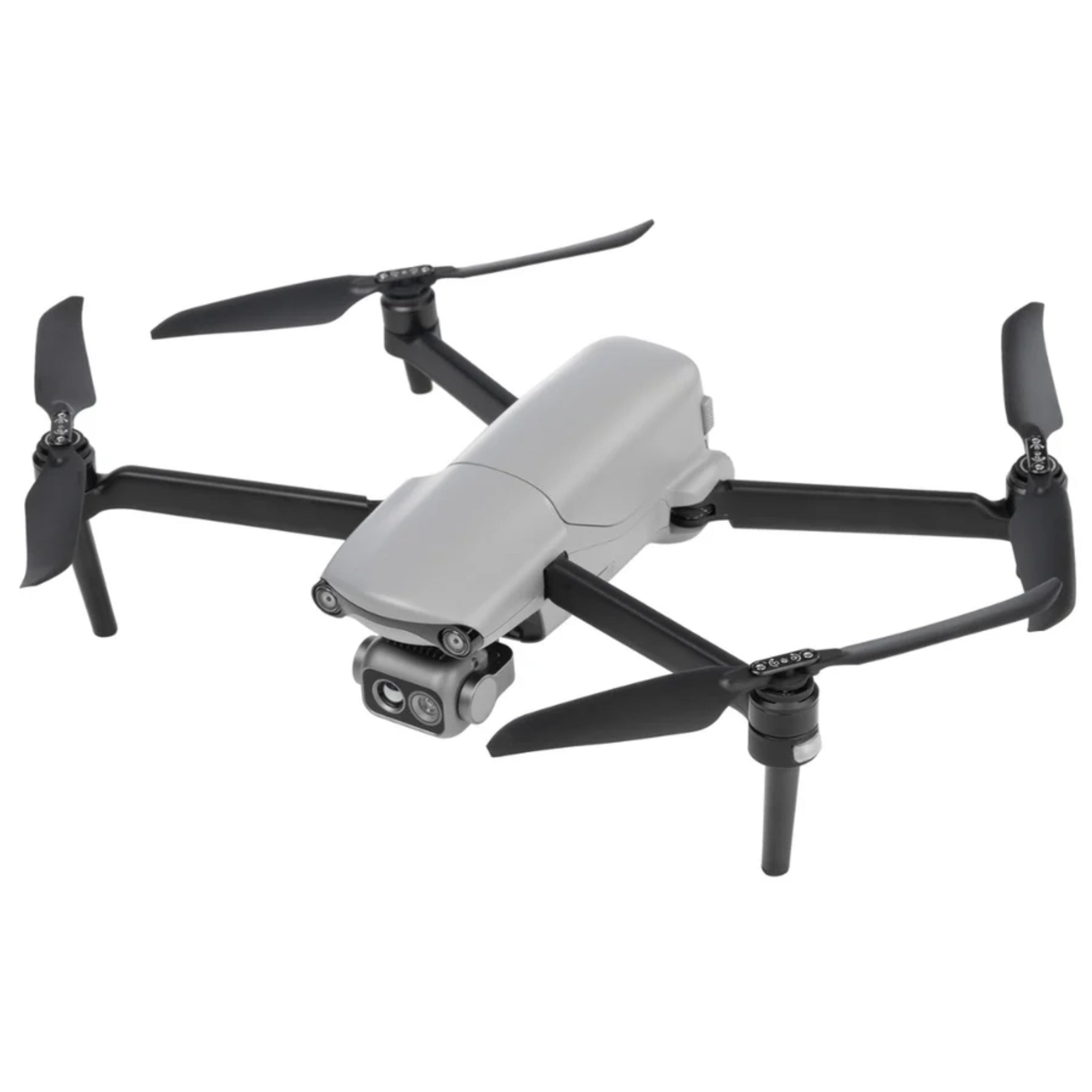
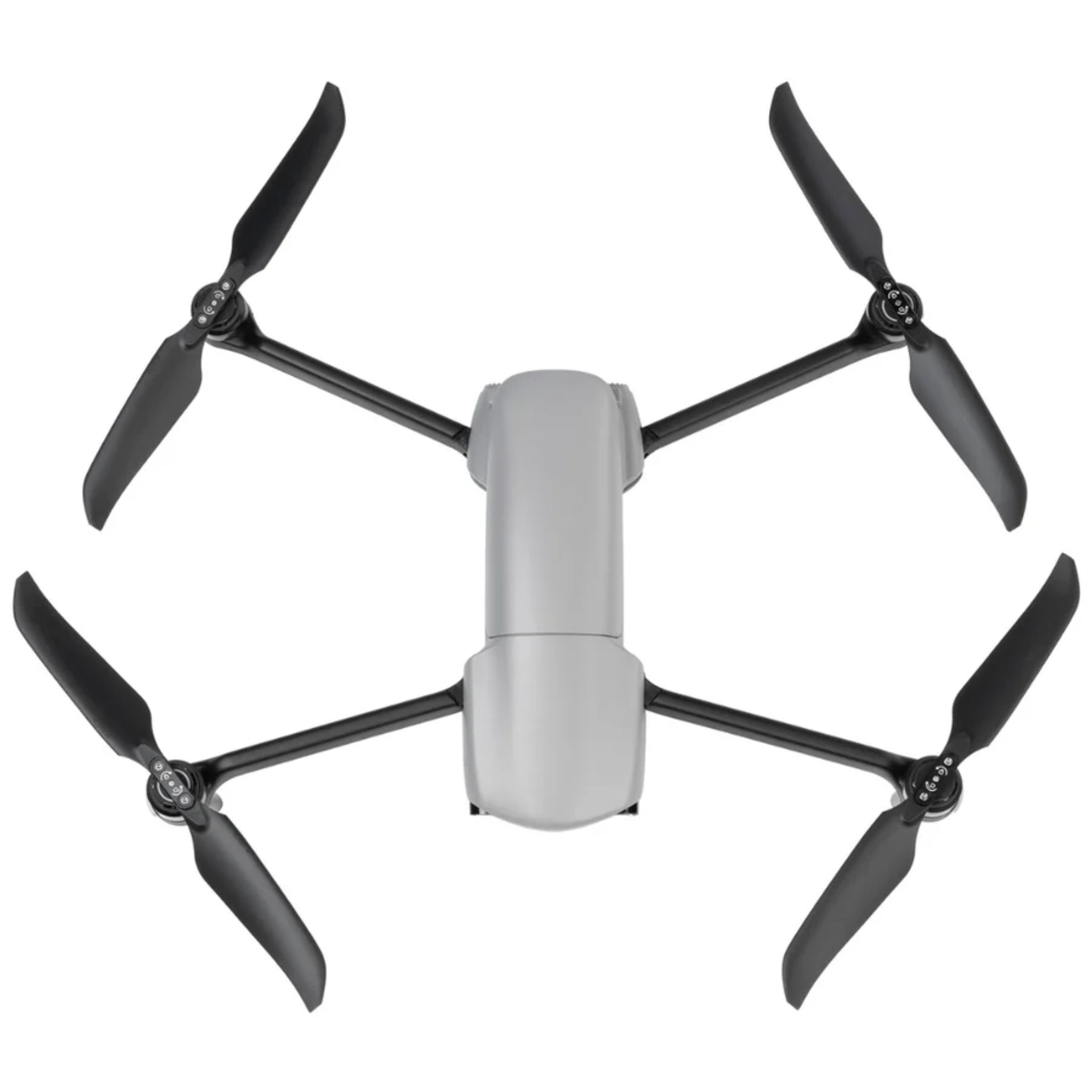
Selecting the right drone platforms and sensors is fundamental to the success of any public safety drone program. Today’s law enforcement drones, firefighting drones, and search and rescue drones are equipped with a range of advanced technologies that empower public safety agencies to respond more efficiently and safely to emergencies.
Modern public safety drones come in various sizes and configurations, each designed to meet the unique demands of different public safety operations. For example, drones with extended flight time and long-range capabilities are ideal for search and rescue missions in remote or challenging environments, such as dense forests or disaster-stricken areas. These platforms enable first responders to cover large areas quickly, providing immediate situational awareness that can be critical when searching for missing persons or assessing the scope of natural disasters. Additionally, different types of drones are required for various missions, such as creating 3D maps for disaster assessment or searching for victims in hard-to-reach areas, ensuring that agencies can tailor their drone fleets to specific operational needs.
Sensor technology is at the heart of effective drone operations. Thermal imaging cameras are invaluable for locating missing persons in low light conditions or through smoke and debris, making them essential for both law enforcement and firefighting missions. High-resolution cameras deliver detailed imagery for damage assessment, surveillance, and evidence collection, while laser rangefinders provide accurate distance measurements that can assist in mapping affected areas or planning rescue missions. The integration of these advanced sensors gives public safety professionals the enhanced situational awareness needed to make informed decisions and allocate resources where they are needed most.
The adoption of drone as first responder (DFR) programs is transforming emergency response. By deploying drones as the initial eyes on the scene, command centers receive critical information within moments of an incident being reported. This rapid aerial perspective allows command staff to coordinate ground units, direct rescue teams, and manage resources with unprecedented speed and accuracy. Remarkably, drones in DFR programs can clear 1 in 4 calls solely through their use, significantly reducing the burden on ground teams and enhancing overall efficiency. Furthermore, DFR programs can deliver life-saving payloads, such as medical supplies, to those in need before EMS personnel arrive, providing critical support in time-sensitive situations. DFR technology can be seamlessly integrated with existing emergency response systems, ensuring that all responders—from drone pilots to ground teams—are working from the same real-time intelligence.
To maximize the benefits of drone technology, public safety agencies must establish clear operational guidelines. This includes comprehensive training for drone pilots, regular maintenance schedules, and well-defined procedures for deploying drones during emergencies. Such protocols not only ensure safer operations but also help minimize potential hazards to both responders and the public. Night operations, in particular, benefit from drones equipped with thermal cameras and other sensors that maintain situational awareness when visibility is limited.
Beyond law enforcement and firefighting, drones are proving invaluable in a wide range of public safety applications. They are used in search and rescue missions, delivery of medical supplies to hard-to-reach locations, and rapid damage assessment following natural disasters. Non-profit organizations and government agencies are increasingly leveraging drone technology to enhance their response efforts, improve decision making, and ultimately save lives.
Public Safety Drone Program Integration Considerations
Adopting drones in public safety agencies involves several considerations:
-
Training and Certification: Pilots need proper training in both drone operation and the tactics of public safety missions. Many departments obtain FAA Part 107 certification for their drone operators. Beyond basic flying skills, pilots must learn to interpret what they see from the air in context of an emergency (for example, recognizing the signs of a flashover on a roof during a fire, or distinguishing a person from a warm object on thermal). Regular training exercises that integrate drones into fire or police drills help teams practice using aerial intel effectively.
-
Policy and Privacy: Public safety agencies should establish clear policies for drone use, especially around surveillance. Privacy concerns are significant – the public may be wary of drones monitoring them. Departments often define when drones can be used (e.g., only for specific mission types like active crimes, missing persons, disaster response) and ensure footage is handled according to evidence rules. Some states/countries have laws on police drone surveillance that must be followed. Transparency with the community about how and why drones are deployed can build trust and prevent backlash.
-
Interagency Coordination: Drones can serve multiple departments (police, fire, emergency management), so coordination is key. Agencies might form joint drone units or share live feeds across command centers. Collaborating with neighboring jurisdictions can help with resources for drone programs, enabling agencies to pool equipment, expertise, and funding for greater efficiency. Conducting cost-benefit analyses can demonstrate long-term savings from drone implementation, helping agencies justify the investment and secure necessary funding. In large incidents, an established protocol is needed to determine who controls the drone and how information is disseminated. Compatibility of communication systems (ensuring all parties can view the drone feed) is part of this consideration.
-
Equipment Selection – NDAA Compliance: Government and public safety entities in the U.S. often require drones that comply with the National Defense Authorization Act (NDAA) – essentially using drones from approved manufacturers for security reasons. Choosing NDAA-compliant, Blue UAS-listed drones ensures the equipment meets federal security standards. This can restrict the models available, but it’s a necessary step for many agencies. Additionally, agencies should select drones and payloads appropriate for their typical missions (e.g., a police department may prioritize zoom and thermal, whereas a fire department may need gas sensors). Regulatory requirements also emphasize the importance of maintaining visual line of sight (visual line) during drone operations; agencies seeking to fly beyond visual line of sight (BVLOS) must follow a specific process to obtain waivers for such operations.
-
Funding and Maintenance: Drones and their training programs require budget. Departments must account for initial purchase costs and ongoing expenses like software subscriptions (for video management or mapping), insurance, maintenance, and battery replacements. Many agencies seek grants or government funding specifically allocated for technology in public safety. Procurement processes and contracts are also designed to serve non profits, in addition to government and public safety entities. Once deployed, keeping the drone fleet maintained (firmware updates, mechanical checks) and having a process for repairs or replacements will ensure the drones are ready when an emergency strikes.
Elevating Efficiency, Safety, and Data in Public Safety Missions
Public safety drones significantly increase the efficiency of emergency operations. They allow responders to gather critical information in a fraction of the time it would take to do so on foot or by vehicle. For example, rather than sending multiple officers to scout a large area for a lost hiker, a single drone can sweep the area rapidly and guide rescuers directly to the person. This efficient use of resources means more lives saved and incidents resolved with fewer wasted hours. In high-pressure scenarios (active shooters, large fires), getting eyes on the scene faster via a drone can compress the entire response timeline – the quicker authorities understand what’s happening, the quicker they can neutralize threats or contain dangers.
Drones also dramatically improve responder safety. In firefighting, having an overhead view of a burning structure means commanders can avoid sending crews under a collapsing roof or into areas where fire is spreading unexpectedly. For police, drone surveillance can replace risky initial approaches – officers don’t have to walk blindly around a corner when a drone has already checked it. This standoff capability is crucial in situations like bomb threats or armed suspects, where maintaining distance until you know what’s going on reduces the risk to personnel. By using drones, public safety agencies adhere to the principle of preserving responder life while still performing their duty effectively. As one example, drones in law enforcement have become must-have tools for first responders, firefighters, and police officers, enhancing safety across various fields.
Regarding data collection, drones provide an objective record of incidents that can be reviewed and analyzed. Police can use aerial footage as evidence in investigations or in court, since the drone’s vantage point might capture details that no ground camera could. Accident reconstruction teams employ drone photos to create accurate 3D models of crash scenes for analysis. Emergency managers use post-disaster drone imagery to document damage for recovery efforts. This wealth of aerial data improves not only real-time decision-making but also after-action analysis and learning. Patterns from drone footage (like how crowds move in evacuations, or how a fire spread) can inform better practices and training in the future. In essence, public safety drones add a powerful new dimension to situational awareness and documentation, making communities safer and response efforts more effective.
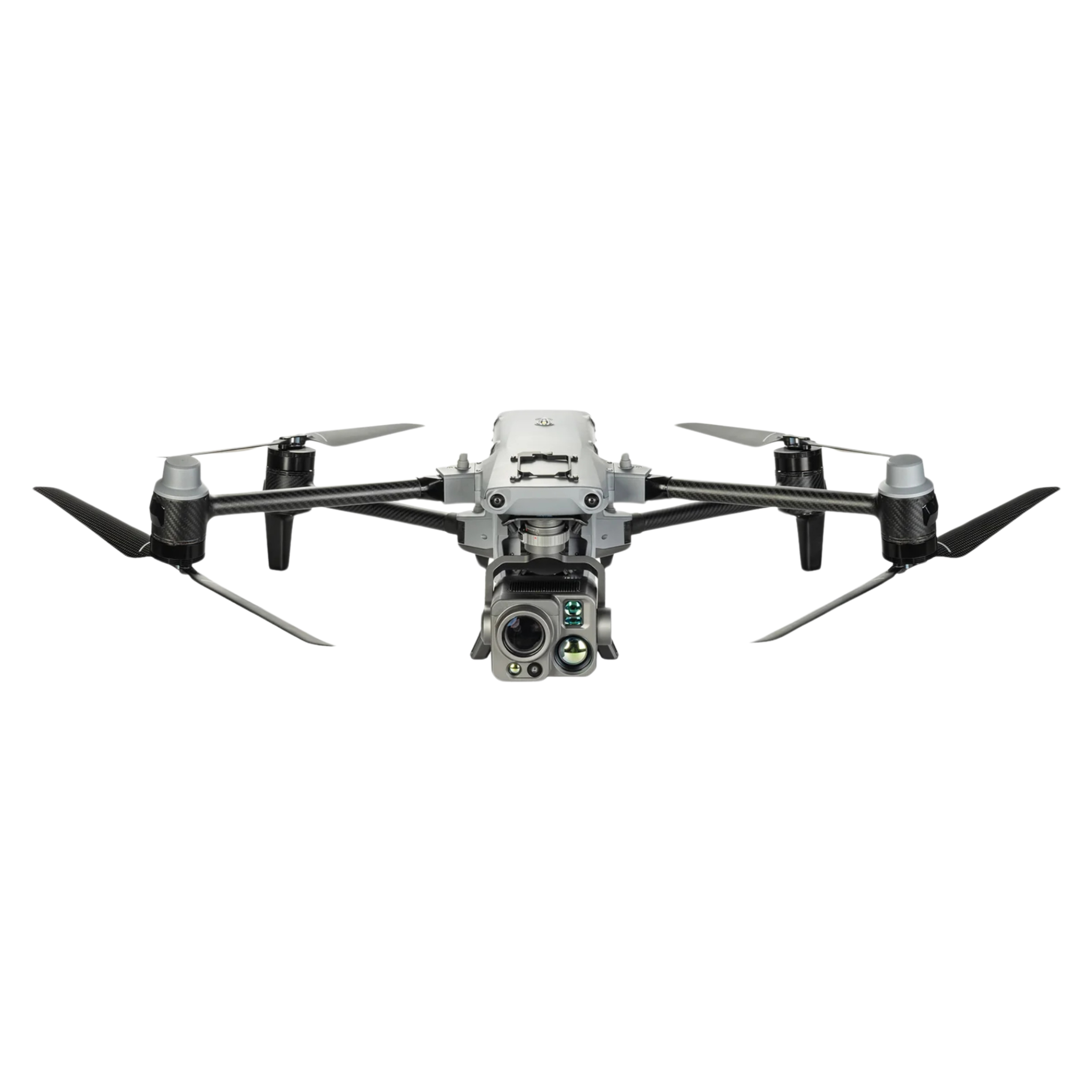
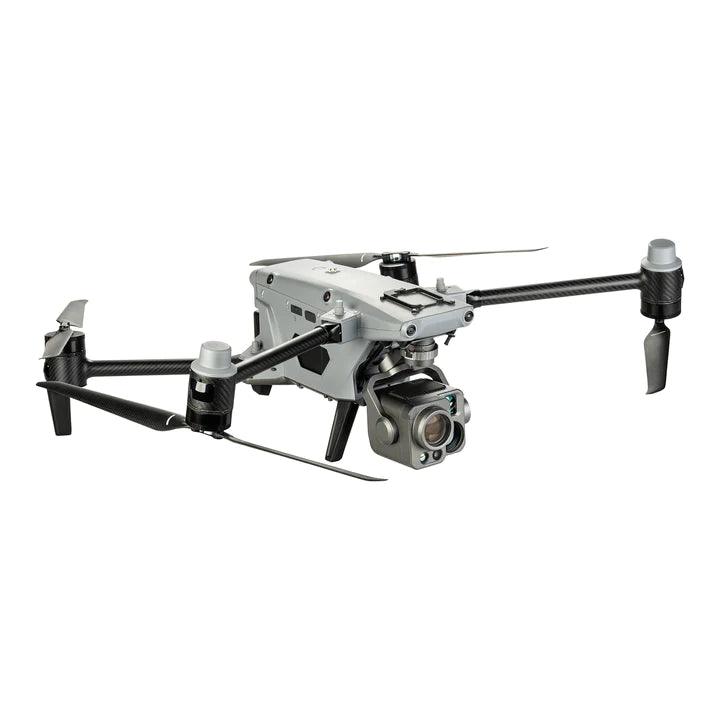
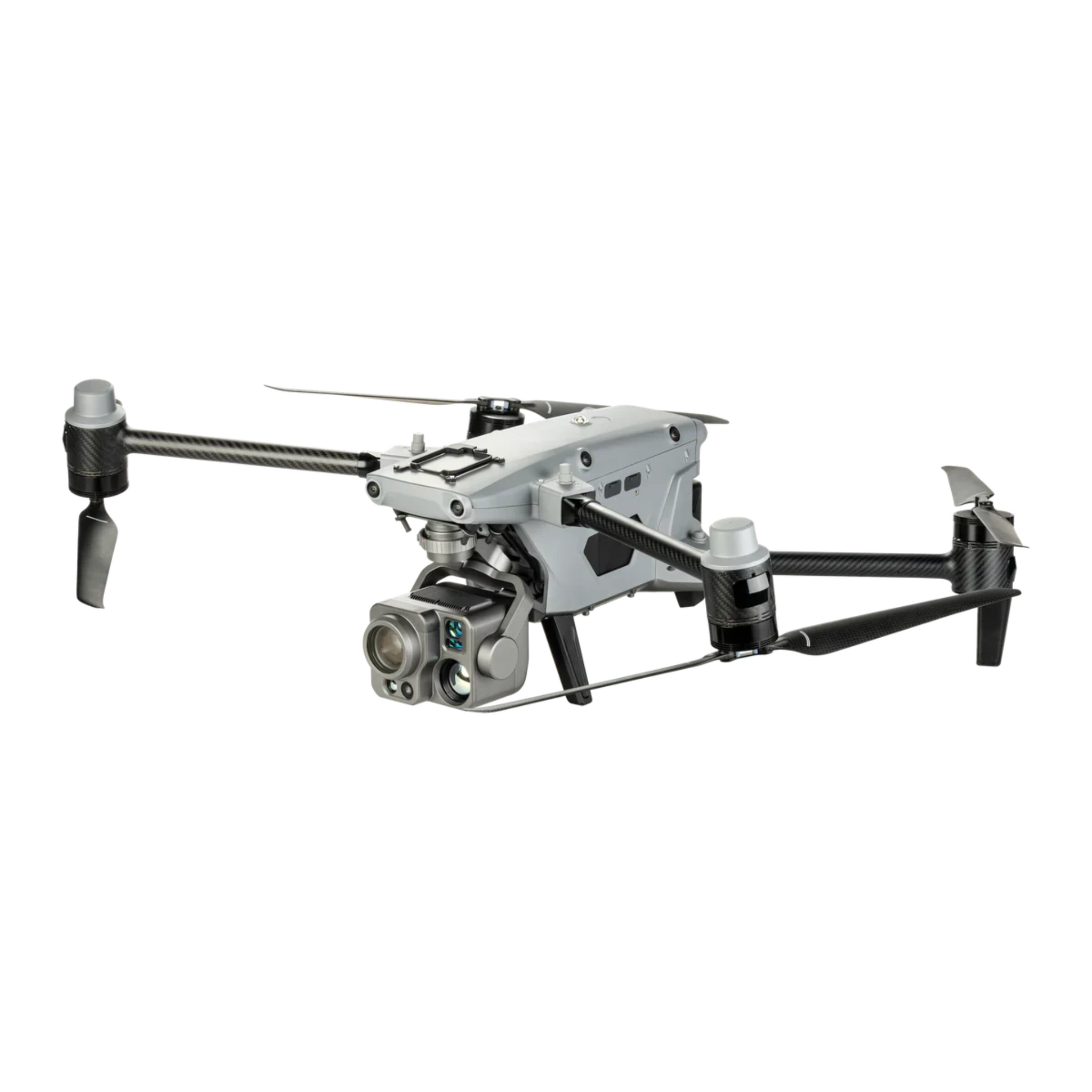
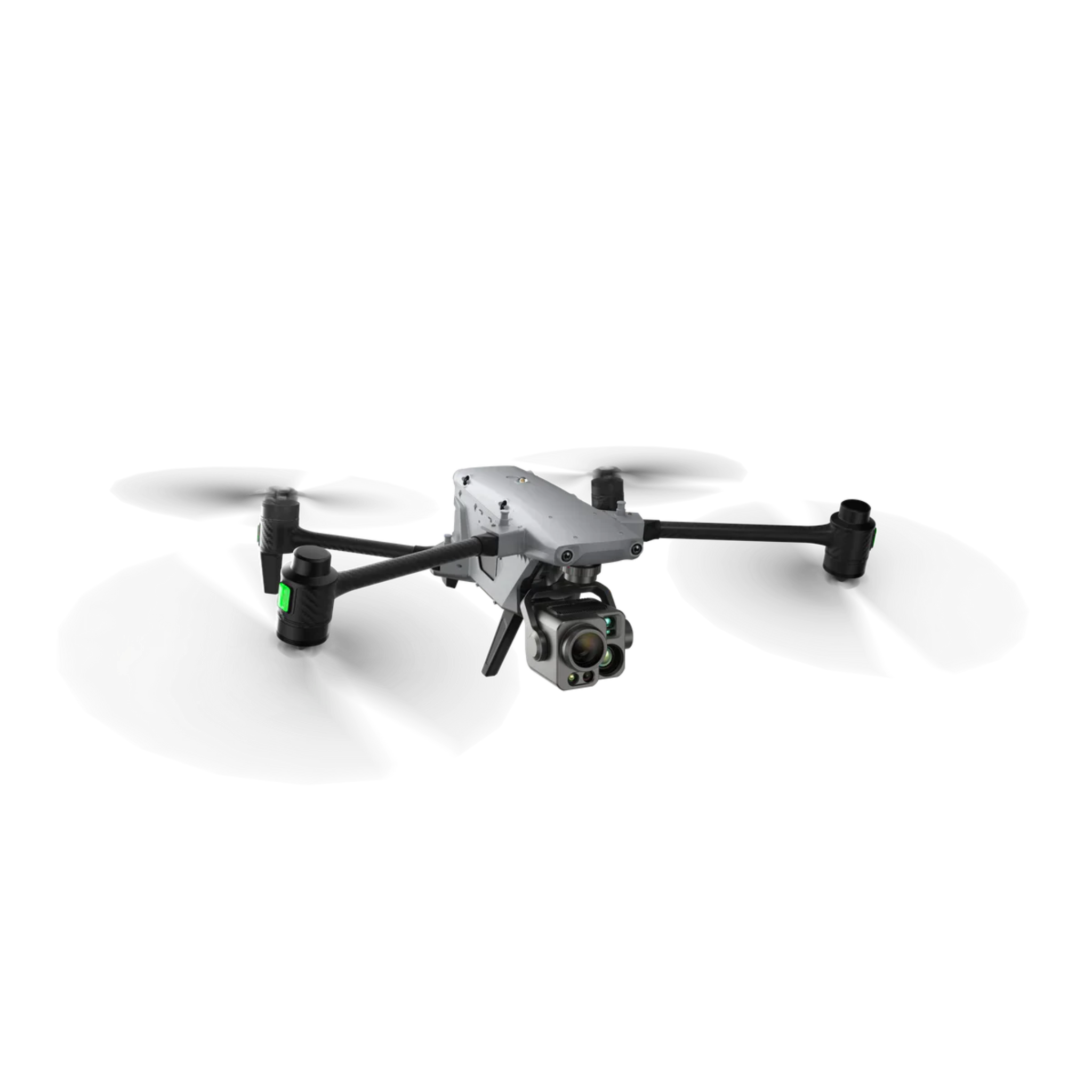
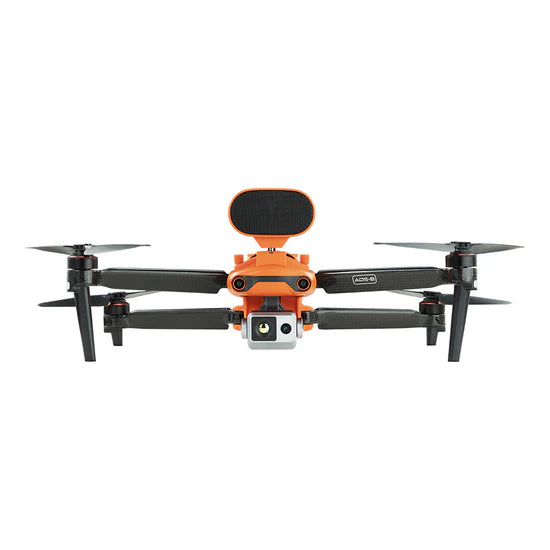
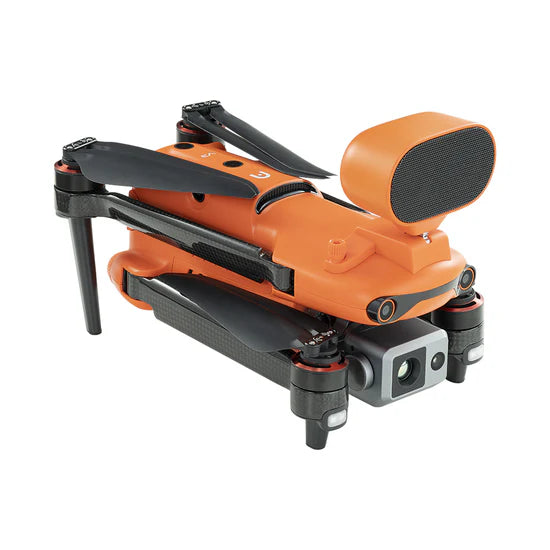
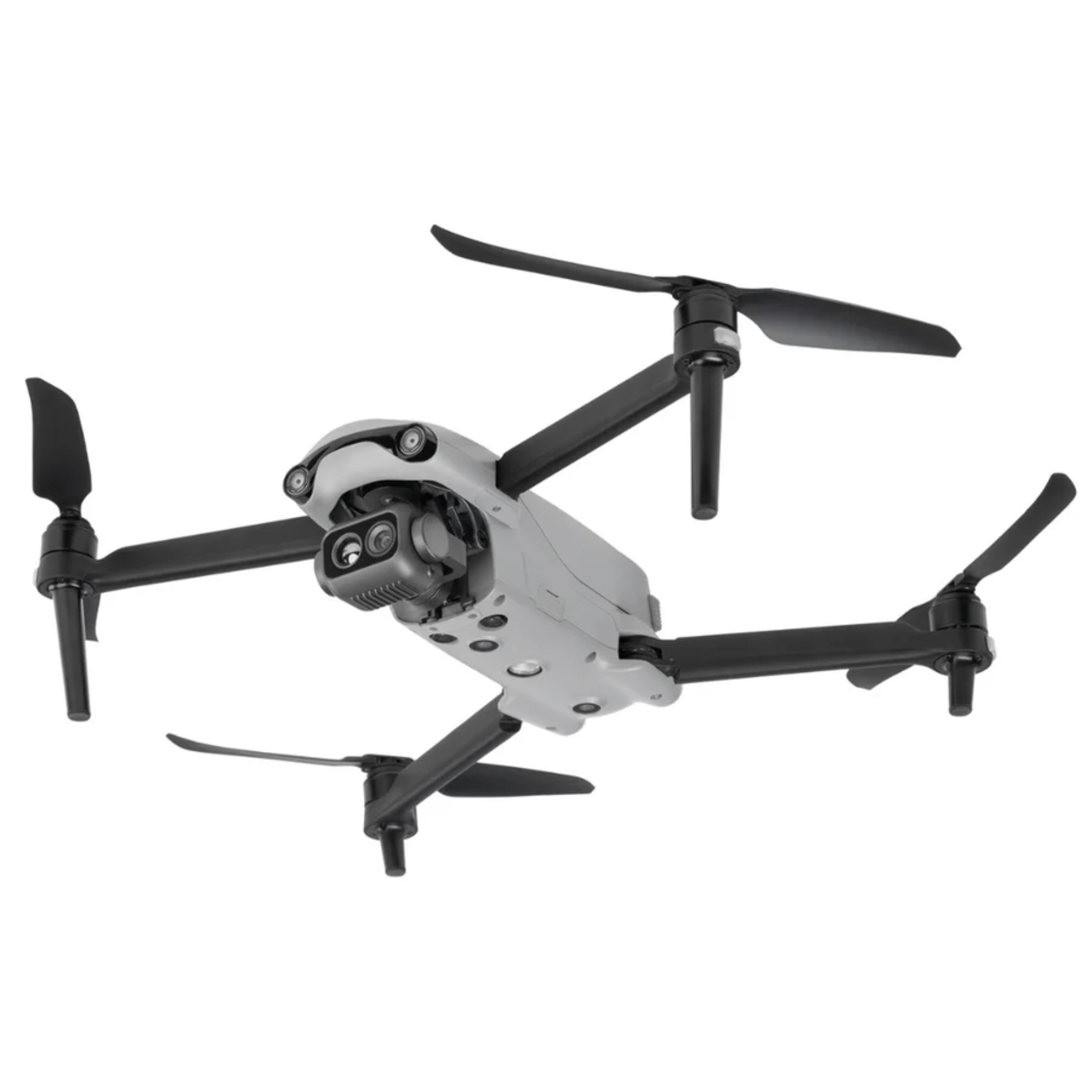
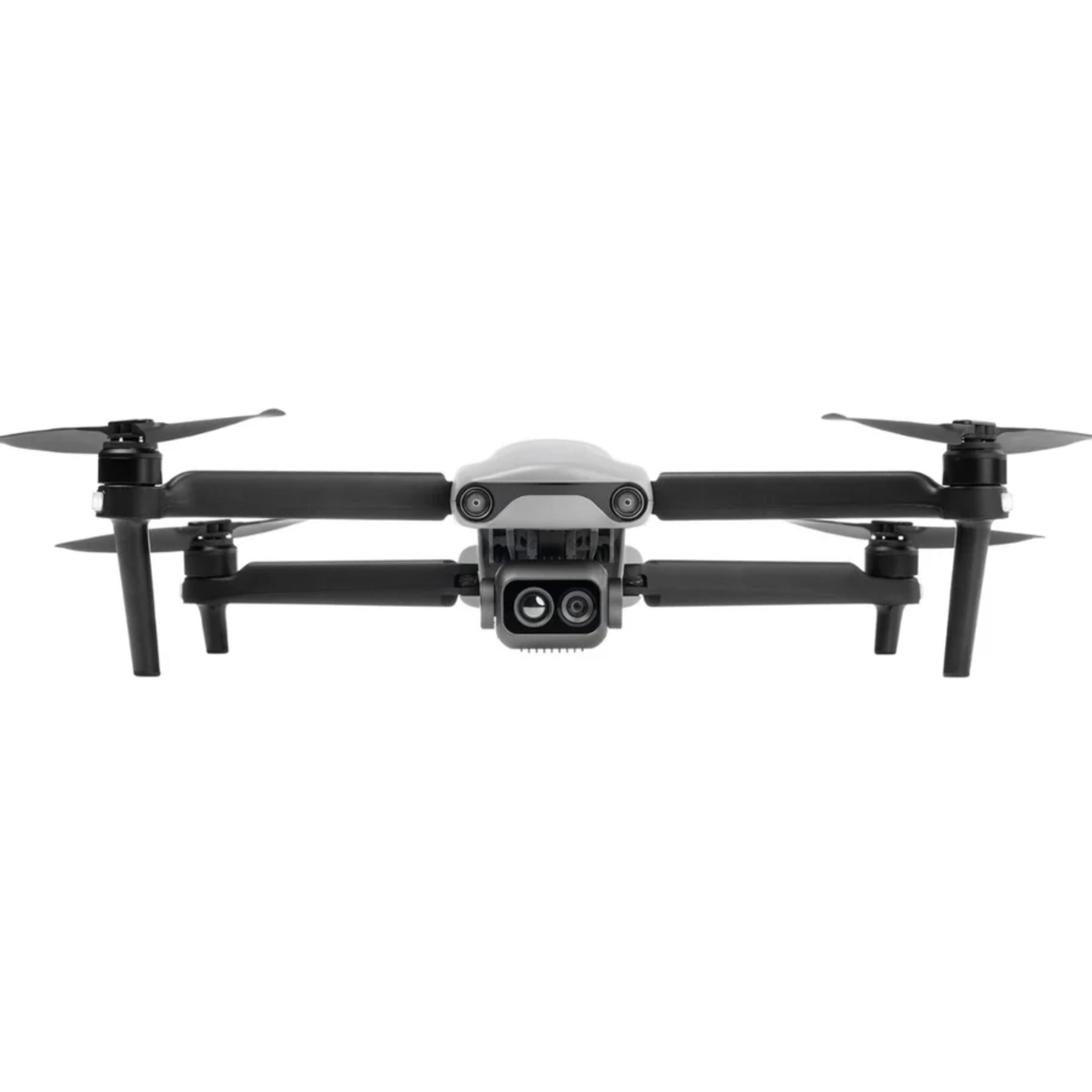
Autel Robotics Alpha
Autel RoboticsThe Autel Alpha is a next-generation enterprise drone engineered for critical missions across public safety, energy, and industrial sectors. With u...
View full detailsDJI Matrice 350 RTK Drone
DJIThe DJI Matrice 350 RTK is DJI’s next-generation enterprise platform, built to handle the toughest missions with confidence. With an IP55 weather r...
View full detailsDJI Matrice 30T Drone
DJIThe DJI Matrice 30T Enterprise Drone combines a powerful thermal camera, 200x hybrid zoom, and RTK positioning in a rugged, all-weather design. Bui...
View full detailsDJI Matrice 400
DJIThe DJI Matrice 400 RTK is DJI’s most advanced enterprise drone, delivering up to 59 minutes of flight time, 6 kg payload capacity, and compatibili...
View full detailsDJI Mavic 3 Thermal Enterprise Drone
DJIDescription: The DJI Mavic 3 Thermal (M3T) brings advanced thermal capabilities to the compact and trusted Mavic 3 Enterprise platform—making it an...
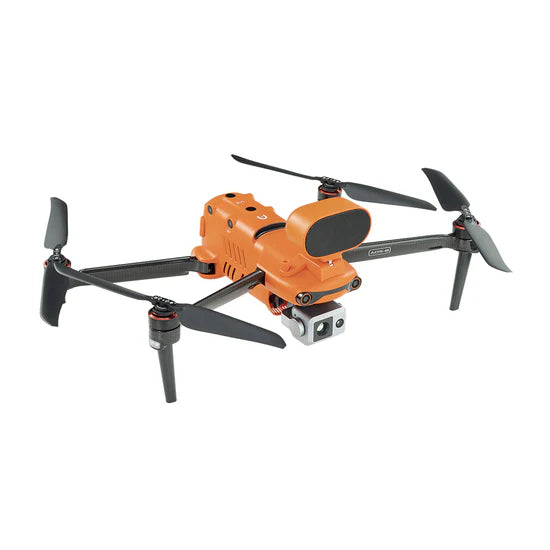
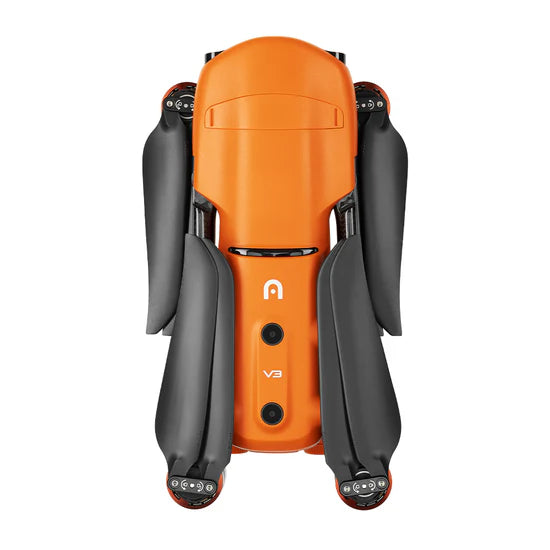
View full detailsAutel EVO II Dual 640T Enterprise Bundle V3 Drone
Autel RoboticsThe Autel EVO II Dual 640T Enterprise V3 is a professional-grade drone built for public safety, inspections, and industrial operations. Featuring a...
View full detailsAutel Robotics EVO Lite 640T Enterprise
Autel RoboticsDescription: The EVO Lite 640T Enterprise is designed for professionals who need reliable performance and cutting-edge technology in mission-critic...
View full detailsAnzu Robotics Raptor T Drone
Anzu RoboticsThe Anzu Robotics Raptor T is built for professionals who need reliable thermal imaging in a compact, mission-ready platform. Whether you’re conduc...
View full details