


Flight Without a Pilot on Site
A dock turns drone coverage from an event into infrastructure. The aircraft lives on site, launches on a schedule or an alert, flies the route, lands and recharges. Two systems dominate, and they differ mainly in ecosystem.

DJI Dock 3
From $15,890

Autel EVO Nest
From $20,362



Compatible aircraft

Dust and water rating

Operating temperature range

Drone charge time


Docks Need Planning, Not Just Purchase
Site survey, power, connectivity and waiver strategy all shape whether a dock program works. We will walk the requirements with you before you buy.
Battery capacity

Total energy

Charge cycles
Cold weather ready
DJI Dock 3: the drone-in-a-box most programs start with
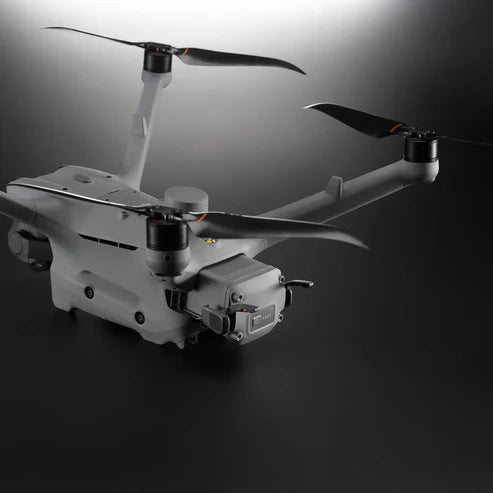
Dock 3 is the system with the deepest deployed base and the most mature software behind it. It launches the Matrice 4TD on schedule or on demand, and reports into DJI FlightHub 2 without anyone driving to the site.
Rated for real weather
IP56 sealing, a -30 to 50 degree Celsius operating range and 12 m/s wind resistance keep the schedule running.
27 minute drone charge time
Short turnarounds between sorties, so a second alert on the same shift is realistic.
FlightHub 2 as the operations console
Live video, AI-detected alerts and a retained flight record for every sortie, in one place.

DJI Dock 3 is built to withstand harsh conditions, with an IP56-rated weatherproof design that allows deployments in extreme heat, cold, rain, or snow. As DJI’s latest autonomous drone docking station, it enables 24/7 remote UAV operations by automating drone launch, landing, battery charging, and data transfer. Enterprise users benefit from reduced labor and faster response times, since drones can be dispatched on-demand or run scheduled missions without requiring on-site pilots. DJI Dock 3 also introduces vehicle-mounted deployment for mobile missions and integrates with cloud management software for remote mission scheduling and monitoring. This “drone-in-a-box” solution represents a leap in efficiency and flexibility for industrial drone programs.
What is a Drone Dock?
A drone dock is a specialized automated base that allows a drone to land, recharge, and launch again without human intervention. It acts as a secure hangar and charging station, enabling drones to operate autonomously over large areas in industrial, commercial, and surveillance applications. Equipped with precision landing technology and a protective enclosure, a dock ensures the UAV can return home safely and be ready for the next mission, even in harsh conditions. Advanced drone docks also offload flight data and connect to remote management software, allowing operators to schedule missions and monitor drone status from a central control center. In essence, a drone dock turns a UAV into a fully automated system for persistent aerial coverage.
Key Benefits of DJI Dock 3
-
Autonomous Charging: Automatically recharges batteries upon landing, minimizing downtime. Charges from 15% to 95% in just ~27 minutes.
-
Mission Scheduling & Automation: Manage flights remotely, schedule routes, and monitor in real time using DJI FlightHub 2.
-
Weather Resistance: IP56-rated with built-in climate control. Operates in -30°C to 50°C and resists wind, rain, and dust.
-
Remote & Mobile Deployment: Can be installed at fixed remote sites or mounted to vehicles for mobile operations.
DJI Dock 3 Product Configurations
-
Dock Only: Includes the base station with DJI SkyPort integration. Ideal for users who already own a Matrice 4D or 4TD.
-
Dock + Matrice 4D: Bundled with the Matrice 4D — a high-performance quadcopter with mechanical shutter and EO cameras, ideal for mapping and inspections.
-
Dock + Matrice 4TD: Bundled with the Matrice 4TD, which includes the same features as the 4D, plus a thermal imaging sensor and IR illuminator for low-light or nighttime operations.
Use Cases
Energy & Utilities
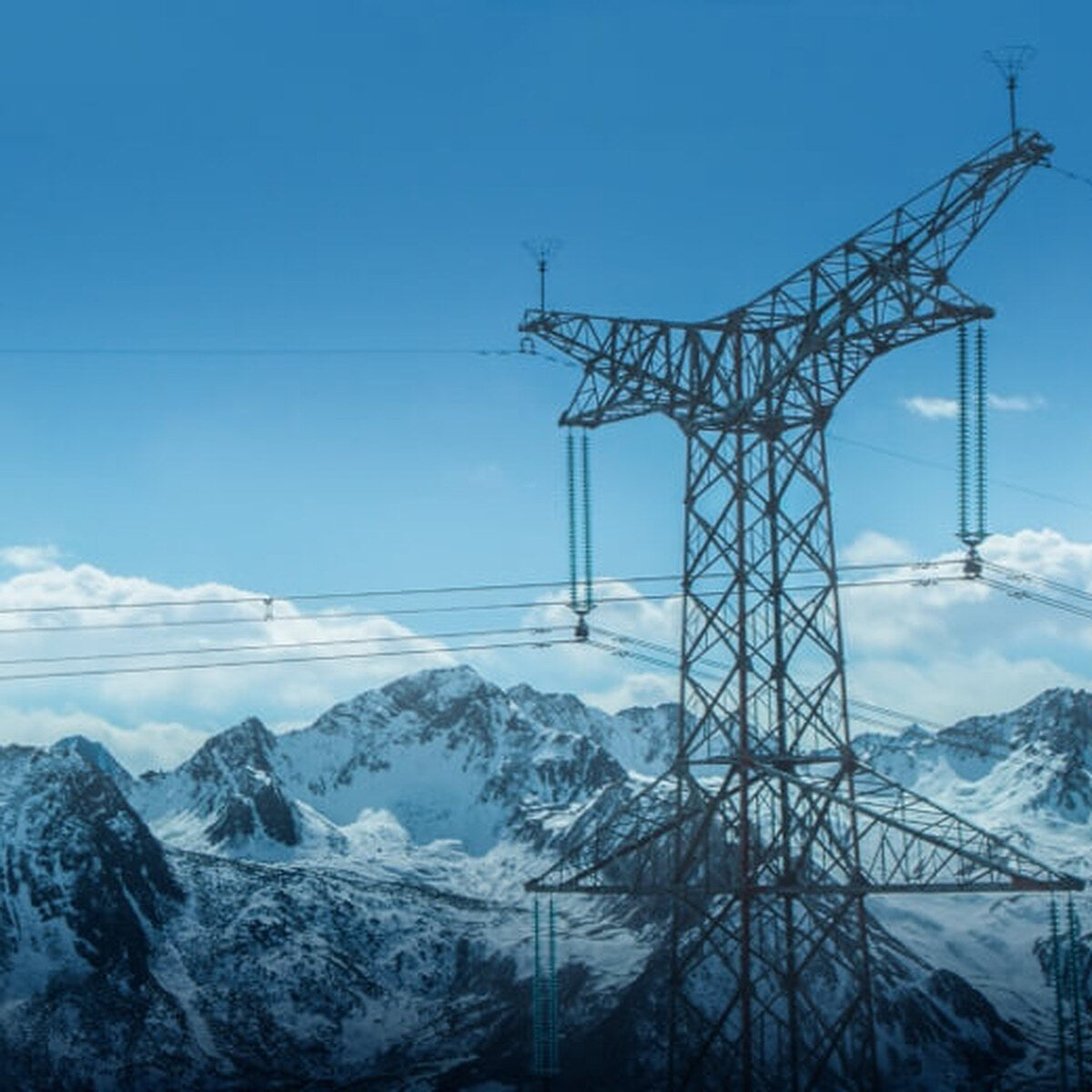
Automate inspections of power lines, substations, pipelines, and solar farms. Detect faults early, reduce downtime, and enhance worker safety.
Public Safety & Emergency Response
Deploy drones immediately for incident awareness, search and rescue, or disaster monitoring. Live-stream thermal and visual data to command centers.
Construction & Mapping
Schedule repeat flights for site documentation, progress tracking, and 3D modeling. Improve accuracy and project transparency with consistent aerial views.
Infrastructure Monitoring
Inspect telecom towers, railways, bridges, and industrial facilities. Drones reduce inspection time, eliminate risky climbs, and gather more precise data.
Perimeter Security & Surveillance
Run automated patrols around borders, warehouses, and high-value areas. Respond to alarms instantly with drone dispatch and live verification.
Environmental Monitoring
Track wildlife, assess crop health, detect wildfires, or monitor coastlines — all autonomously, day or night.