

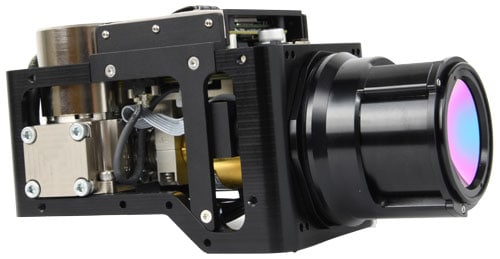
Optical Gas Imaging (OGI) cameras are specialized infrared cameras that make the invisible visible. By detecting hydrocarbon gas leaks like methane and other volatile organic compounds (VOCs), these cameras are a game-changer for industrial safety and environmental monitoring. They provide a non-contact, real-time way to pinpoint leaks from a safe distance, helping to prevent hazardous explosions and reduce climate-damaging emissions.
This guide will provide a comprehensive look at OGI technology, its key applications in industrial logistics, and the leading camera systems and brands available today.
What is Optical Gas Imaging and How Do OGI Cameras Work?
OGI cameras are a highly specialized version of thermal cameras. These advanced products are designed for industrial gas leak detection. They work by using a spectral filter to detect specific wavelengths of infrared light that are absorbed by gas molecules. When a gas plume escapes, it “shadows” the infrared energy from the background, appearing on the camera’s screen as a smoke-like plume. This allows inspectors to see gas leaks that are otherwise invisible to the naked eye, and OGI cameras can detect gas leaks at various distances, making them suitable for different inspection scenarios.
OGI vs. Regular Thermal Cameras
It is a common misconception that all thermal cameras can see gas leaks. This is not the case. OGI cameras use specialized mid-wave infrared sensors and narrow-band filters specifically tuned for gas detection. A standard thermal imager is not configured to detect the wavelengths that gases absorb, and therefore cannot see gas leaks.

What Gases Can an OGI Camera Detect?
OGI cameras are primarily used to detect hydrocarbon gases and VOCs. OGI technology is highly effective for detecting and visualizing voc (volatile organic compound) leaks in industrial environments. Common examples include:
-
Methane (CH₄)
-
Propane and butane
-
Benzene and other VOCs
-
Sulfur hexafluoride (SF₆)
It is important to note that OGI cameras cannot detect gases that do not absorb infrared radiation, such as hydrogen or carbon dioxide.
How OGI Cameras Are Used for Industrial Gas Leak Detection
OGI technology has become indispensable in several key industries, replacing outdated methods with faster and safer solutions.
Applications Across Industries
-
Oil & Gas: Used to find leaks on pipelines, wellheads, and storage tanks.
-
Petrochemical Plants: Used to detect toxic chemical leaks in process lines and equipment.
-
Power Utilities: Used to quickly pinpoint SF₆ gas leaks in electrical switchgears, which is crucial for safety and for preventing the release of a potent greenhouse gas.
OGI vs. Traditional Sniffers
The primary advantage of OGI is its efficiency and safety. While traditional leak detection (using handheld "sniffer" devices) requires inspectors to painstakingly sample each component, an OGI camera allows an inspector to visually survey thousands of components per hour from a safe distance. This dramatically reduces the time and labor required for inspections, and minimizes personnel exposure to hazardous chemicals.
Benefits and Limitations of OGI Technology
Optical gas imaging technology offers a host of benefits that make it a preferred choice for modern leak detection. One of the most significant advantages is the ability to detect leaks quickly and from a distance, reducing the need for inspectors to be in close proximity to potentially hazardous areas. This not only improves safety but also allows for the inspection of hard-to-reach or dangerous locations, such as elevated pipelines or confined spaces. OGI cameras can scan thousands of components in a short period, minimizing downtime and helping companies avoid costly product loss.
Additionally, OGI provides visual confirmation of gas leaks, making it easier to prioritize repairs and document compliance with environmental regulations. The non-contact nature of the technology means there is no risk of contaminating samples or interfering with operations. However, there are some limitations to consider. OGI cameras represent a significant investment, with high-end models costing tens of thousands of dollars. Their effectiveness can be influenced by environmental conditions such as wind, temperature, and background contrast, which may affect the visibility of gas plumes. Furthermore, not all gases can be detected—OGI cameras are most effective with gases that have strong infrared absorption characteristics. Proper training and certification are also required to ensure accurate leak detection and interpretation of results.
Methane Detection and Its Environmental Impact
OGI cameras are often called "methane cameras" because of their crucial role in detecting methane leaks. Methane is a potent greenhouse gas, and its release is both an economic issue for companies (the U.S. oil and gas industry loses an estimated $2 billion in methane yearly from leaks) and a major climate priority.
OGI technology enables operators to see and pinpoint methane leaks, allowing for faster repairs and helping companies comply with emissions regulations. Organizations and regulatory bodies, including the EPA, now use OGI to find and document large-scale methane leaks that would otherwise go unnoticed.

Leading OGI Camera Brands and Models
The OGI camera market is led by a few key players and models that are trusted by professionals worldwide.
-
FLIR: A market leader known for its GF-Series cameras, such as the GF320 (a high-performance cooled camera) and the GF77 (a more affordable uncooled option).
-
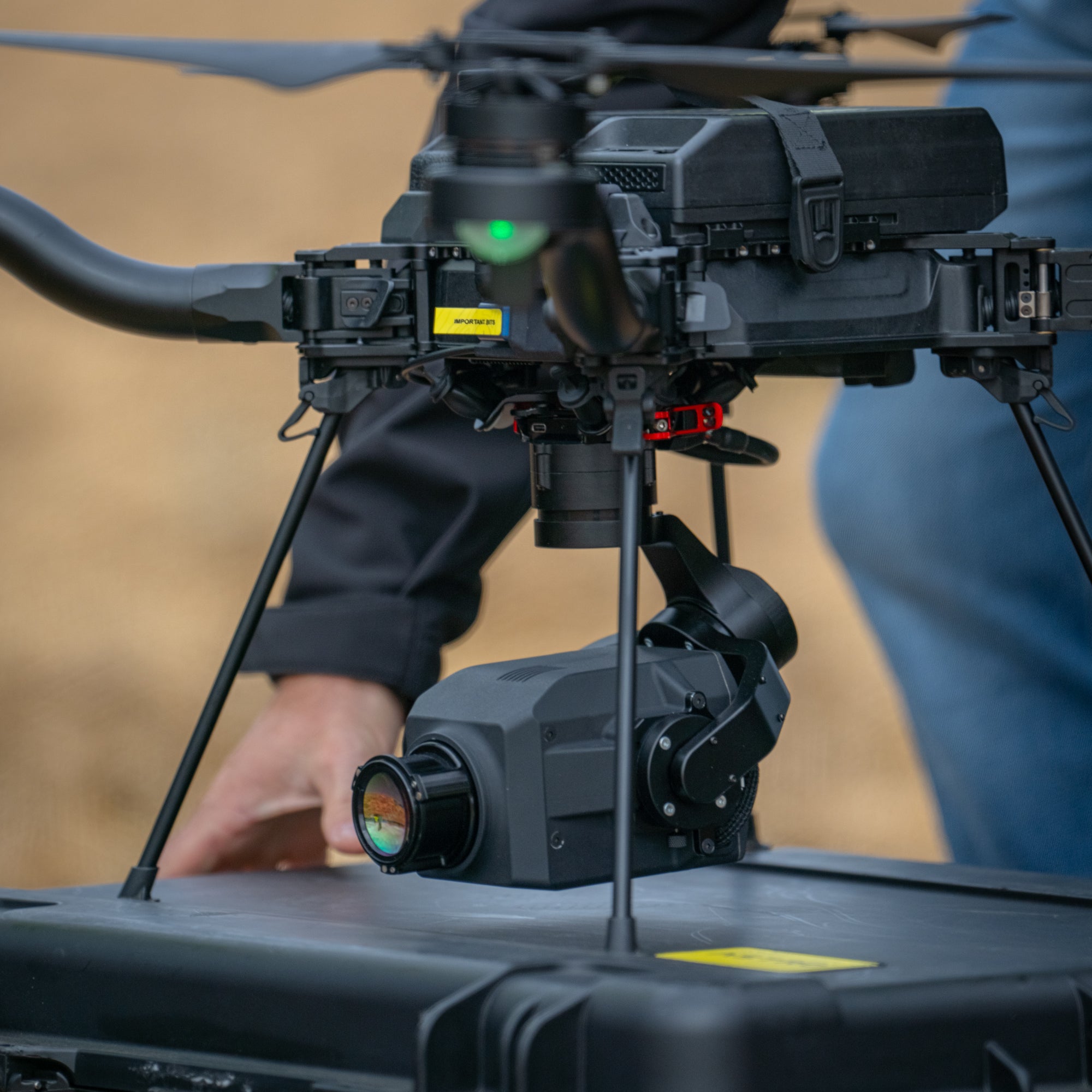
Opgal: An Israeli company known for its EyeCGas series of OGI cameras, which are popular for both handheld and drone use.
-
Other Brands: Other notable brands include Sensia, Sierra-Olympia (which provides the Ventus OGI camera core for many drone payloads), Workswell, and ViewPro.
It is worth noting that the Zenmuse H30T payload from DJI includes a powerful thermal camera that, while not a dedicated OGI camera, is a high-resolution sensor used in industrial inspections.
How Are Drones Used for Gas Leak Detection?
The use of drones for OGI inspections is a game-changer for the industry. By mounting OGI cameras on drones, inspectors can:
-
Access Hard-to-Reach Sites: Drones can carry cameras to inspect well pads, offshore platforms, or high-up refinery units, removing personnel from dangerous situations.
-
Cover Vast Areas Quickly: Drones can fly pre-programmed routes to scan for leaks over miles of pipeline or large facilities, increasing coverage and efficiency.
-
Improve Visualization: Drones naturally position the camera above leaks, which can improve the visualization of gas plumes against the ground or sky.
The U.S. EPA has recognized drone-based OGI in its proposed methane rules, a landmark step that formalizes drones as an accepted tool for leak detection and compliance.
Frequently Asked Questions (FAQ)
What is optical gas imaging and how do OGI cameras work?
OGI cameras are specialized thermal cameras that use a spectral filter to detect specific infrared wavelengths that are absorbed by gas molecules. This makes invisible gas plumes visible on the camera's screen as a smoke-like cloud.
Introduction to Optical Gas Imaging
Optical gas imaging (OGI) is a cutting-edge technology that allows users to visually detect gas leaks that would otherwise be invisible to the naked eye. By using specialized cameras, OGI provides a fast, non-contact method for identifying hydrocarbon gas leaks, volatile organic compounds (VOCs), and other hazardous emissions in real time. This technology has become essential for industries such as oil and gas, petrochemicals, and utilities, where the ability to quickly detect leaks can prevent product loss, reduce costs, and enhance safety. As environmental regulations become more stringent and companies seek to minimize their environmental impact, optical gas imaging cameras are increasingly relied upon to ensure compliance and protect both people and the planet.
Principles of OGI Cameras
At the heart of optical gas imaging cameras is the principle of selective infrared absorption. Different gases absorb infrared light at specific wavelengths, creating a unique spectral signature. OGI cameras are engineered with highly sensitive detectors and precise filters that target these wavelengths, allowing them to visualize gas plumes against a variety of backgrounds. When a gas leak occurs, the escaping gas absorbs certain infrared rays, causing a visible contrast on the camera’s display. This enables inspectors to detect leaks from a safe distance, even in complex industrial environments. The ability to tune OGI cameras to different gases makes them versatile tools for leak detection across a wide range of applications, from methane to VOCs and beyond.
Can a thermal camera see gas leaks?
No, a standard thermal camera cannot see gas leaks. OGI cameras are highly specialized thermal cameras with dedicated sensors and filters that are specifically tuned to the infrared absorption wavelengths of certain gases.
What gases can an OGI camera detect?
OGI cameras are primarily used to detect hydrocarbon gases and volatile organic compounds (VOCs), including methane, propane, and benzene. Most OGI cameras cannot detect gases like carbon dioxide or helium.
How much do OGI cameras cost?
Prices for professional OGI cameras vary widely. Uncooled OGI models can start around $35,000, while high-end cooled cameras can cost $70,000 or more. A complete OGI drone system can cost upwards of $100,000.
Are OGI cameras safe and easy to use?
Yes. OGI cameras are non-contact tools that allow inspectors to work from a safe distance, which significantly reduces risk. Modern models are designed to be user-friendly, but operators must be trained and certified to ensure proper use and accurate detection.
How are drones used for gas leak detection?
Drones equipped with OGI cameras can fly automated routes to inspect vast areas like pipelines, well pads, and refineries. This allows for safer, faster, and more comprehensive leak detection, particularly in locations that are difficult or dangerous for a human inspector to access.
The team at Global Drone HQ is here to answer any questions you may have about your drone setup. We can help guide your business or agency through the process of selecting the right OGI camera and a robust, secure solution that meets your specific mission requirements.
Conclusion and Future Directions
Optical gas imaging has revolutionized the way industries approach gas leak detection, offering a powerful combination of speed, safety, and accuracy. As technology continues to advance, OGI cameras are becoming more accessible and integrated with innovative features such as advanced software analytics, automated reporting, and drone compatibility. The future of OGI is likely to see even greater adoption, with improvements in sensitivity, portability, and the ability to detect a wider variety of gases. As regulatory requirements evolve and the focus on environmental stewardship intensifies, optical gas imaging will remain a critical tool for ensuring the security of your connection to safe, efficient, and responsible operations. Whether you are looking to verify you are human by completing the action of leak detection or simply want to review the security of your connection before proceeding with repairs, OGI technology is poised to meet the needs of modern industry for years to come.
Share:
Top Use Cases for Heavy Payload Drones in Construction & Film
Drone Camera Systems: A Comprehensive Guide to Aerial Imaging, Sensors, and Payloads