

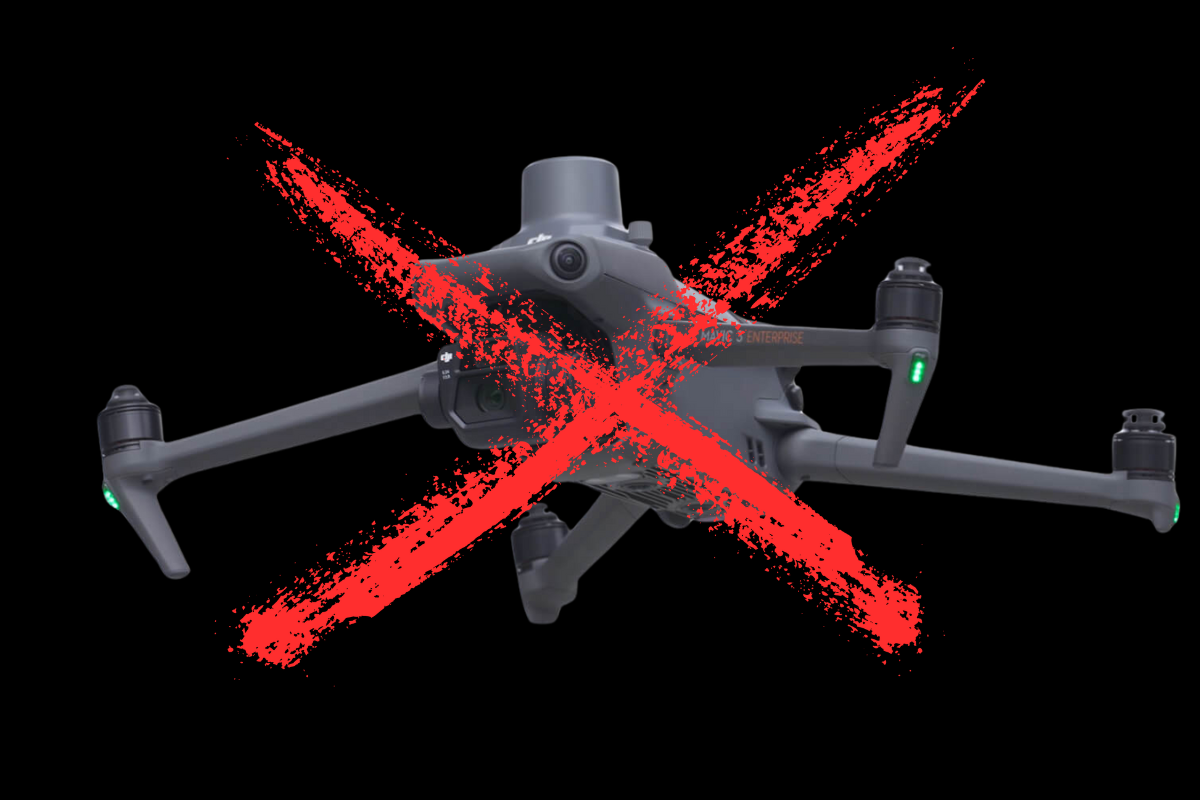
DJI’s Mavic 3 Enterprise series has established itself as the gold standard for compact enterprise drones. With its long 45-minute flight time versatility across use applications it’s the benchmark against which all others are measured.
However, due to limited availabiltiy tracing back to DJI Customs issues there is a growing demand for viable alternatives. Driven by security mandates, regulatory restrictions, and the desire for more freedom from geofencing, professionals need drones that offer comparable performance with the added peace of mind that comes from secure, compliant platforms.
This guide provides an in-depth comparison of the top alternatives to the Mavic 3 Enterprise, including the Anzu Raptor and Autel’s Evo series. We’ll explore their features, performance, and compliance to help you find the best fit for your mission. While DJI platforms are known for their robust ecosystem and user familiarity, many alternatives position themselves as secure, compliant options that address these concerns and offer strong competition to DJI platforms.
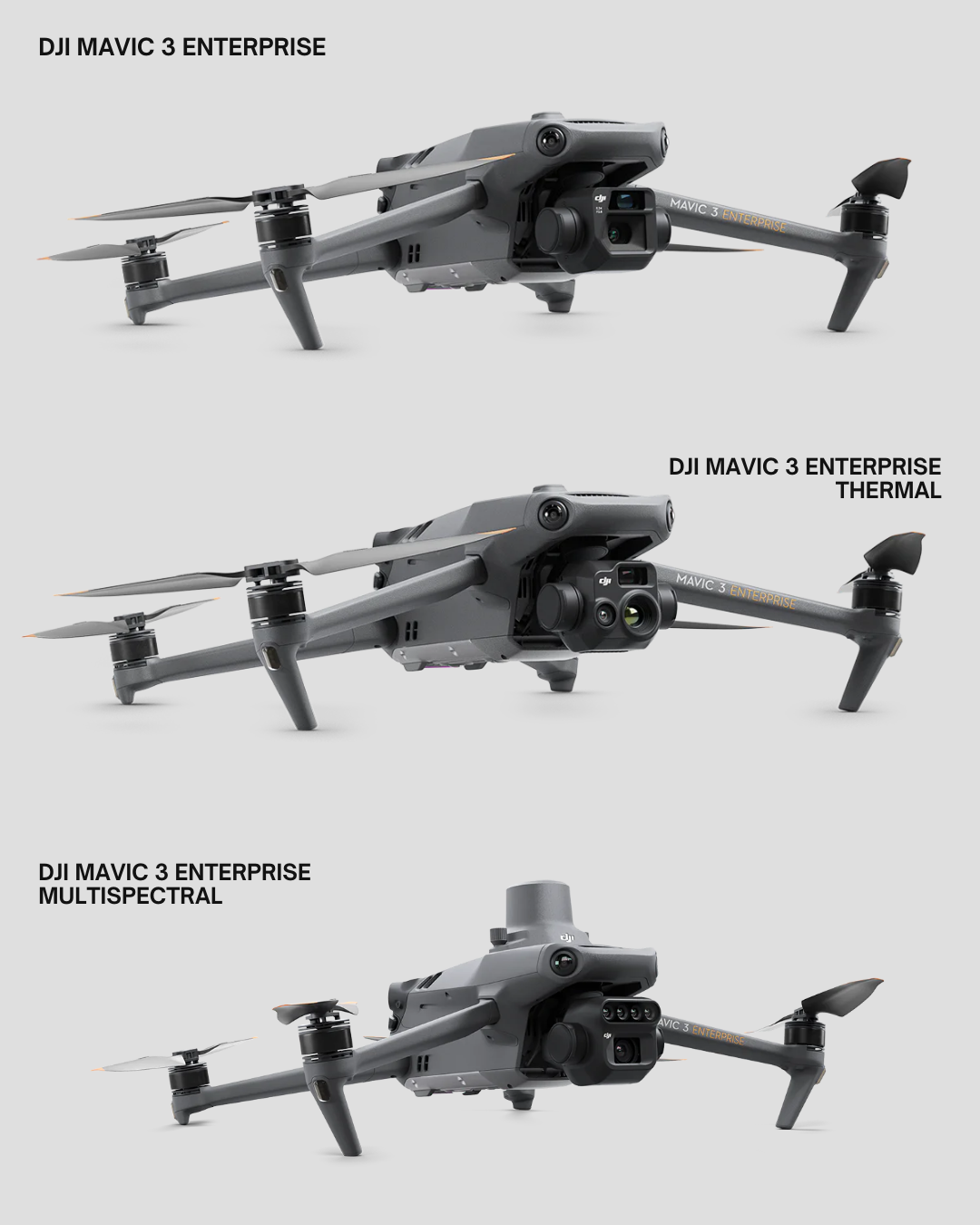
DJI Mavic 3 Enterprise Series Overview
The Mavic 3 Enterprise series shares a common, powerful airframe, but each model is tailored for a specific mission through its unique payload. The included controller features an ergonomic design, integrated ports such as HDMI and SD card slots, and customizable controls, enhancing the user experience and providing seamless integration with the drone for precise flight control.
Key Features of Mavic 3E and M3T
-
Mavic 3 Enterprise (M3E): This model features a powerful 20MP 4/3-inch CMOS wide camera with a mechanical shutter, which is critical for mapping and surveying accuracy. It also includes a secondary 12MP telephoto camera for powerful hybrid zoom. The controller is equipped with an HDMI port, allowing for live streaming and connection to external monitors during flight operations.
-
Mavic 3 Thermal (M3T): The M3T includes the same camera setup as the M3E but adds a 640x512 thermal sensor. This makes it a versatile tool for public safety, search and rescue, and industrial inspections.
Mavic 3 Multispectral (M3M)
The Mavic 3 Multispectral (M3M) is a highly specialized model. It carries a 20MP RGB camera alongside four 5MP multispectral sensors (green, red, red edge, and near-infrared) that are designed for precision agriculture. This unique payload allows farmers and agronomists to analyze crop health and identify nutrient deficiencies with unprecedented detail.
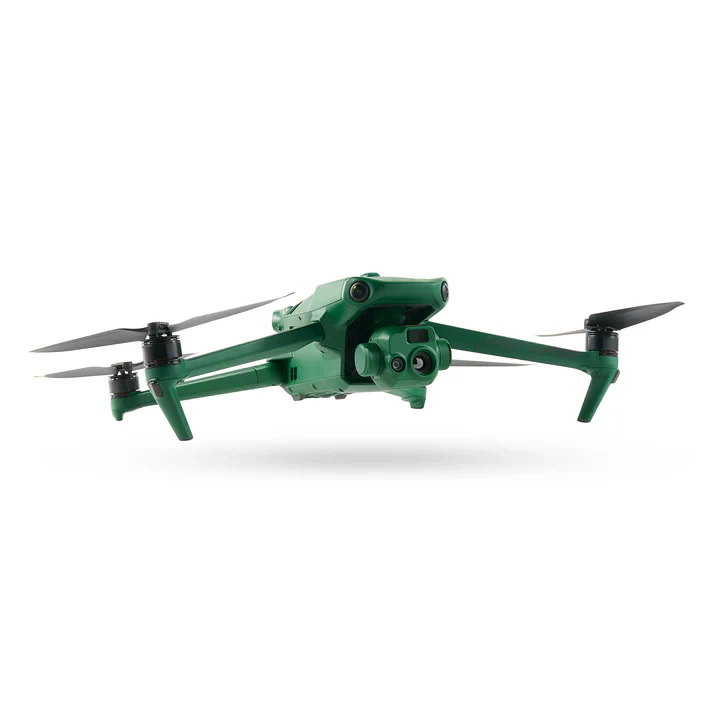
Anzu Raptor – The Green Twin
The Anzu Raptor is a drone explicitly designed as a drop-in alternative to the Mavic 3 Enterprise for the U.S. market. While it's built on a licensed version of DJI's hardware, Anzu Robotics has confirmed that the Raptor T's thermal sensor sourced from China. Additionally the drone is crafted in Malaysia making it not Blue or Green UAS certified. This means that for government agencies seeking an NDAA-compliant alternative to the Mavic 3, the Raptor is unfortunately not a suitable option. However, for users in construction or surveying who need a drone with nearly identical capabilities, the Raptor is an excellent choice.
Raptor vs. Mavic 3E: Side-by-Side
On paper, the Raptor’s specifications are identical to the Mavic 3 Enterprise, with a 45-minute flight time, 15 km range, and the same high-quality camera sensors. However, the key differentiator is the software. The Raptor operates with Aloft’s Air Control software, which offers no geofencing and ensures all mission data is stored on U.S.-based servers. While the software is functional, some users have reported that it lacks some of the polished, intelligent flight modes found in the DJI Pilot 2 app. Additionally, the Raptor maintains a stable connection between the drone and controller, ensuring reliable data transmission during missions.
The Anzu Raptor T Thermal version also provides a direct alternative to the Mavic 3T, featuring a 640x512 thermal sensor for public safety and inspection missions.
Field Reports on Anzu
Real-world feedback from users highlights the benefits and drawbacks of the Raptor. While the compliance and geofence-free operation are major advantages, some early field testers noted software bugs that required them to switch to a DJI drone to complete a mapping mission. This underscores that while the hardware is top-tier, the software ecosystem is still maturing. Maintaining a detailed flight log is crucial for troubleshooting these issues and ensuring compliance with operational standards.
Autel Evo II Enterprise – 6K & Dual 640T
Autel Robotics has been a long-standing and formidable competitor to DJI. Their Evo II Enterprise drones offer a strong blend of camera performance and robust features.
The Autel Evo II Enterprise had its official release date in October 2021, marking its entry into the market alongside other leading drone models.
Camera and Thermal Performance
The Evo II Pro Enterprise features a 1-inch 20MP sensor that captures stunning 6K video, providing excellent image quality for mapping and inspection. It can capture high-resolution images and videos, making it ideal for detailed mapping and inspection tasks.
The Evo II Dual 640T includes an 8K visible camera and a 640x512 thermal camera, with a 30 Hz refresh rate for smooth thermal video. This thermal performance is often praised for its clarity.
Flight & Build
With a flight time of around 38-40 minutes, the Evo II Enterprise series is a capable workhorse. It features 360-degree obstacle avoidance, and its rugged design is built to withstand challenging environments. The Evo II Enterprise offers impressive wind resistance, maintaining flight stability and reliable performance even in windy conditions. Autel drones also come with a full suite of enterprise accessories, including a spotlight, loudspeaker, and strobe.
User Feedback
Real-world feedback from surveyors has highlighted that while the Evo II Enterprise is a very good drone, it may not be as efficient as the Mavic 3 Enterprise in windy conditions. Some users reported that the Evo II Enterprise struggled to maintain speed against strong headwinds, which sometimes resulted in needing an extra battery to complete a mapping mission. Proper planning of flights is essential to maximize efficiency and ensure mission completion, especially when considering flight duration and operational parameters in challenging weather conditions.
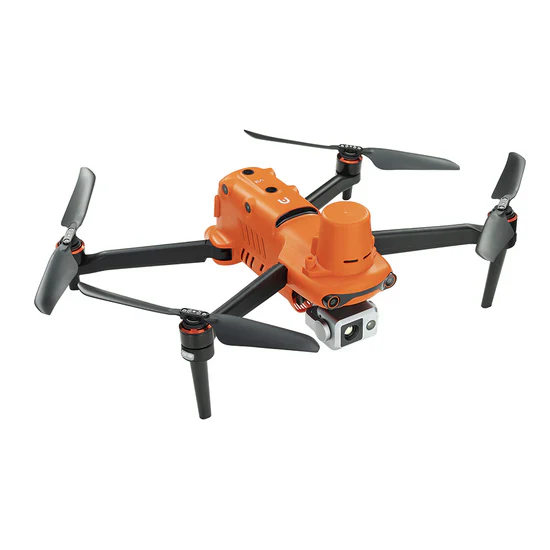
Autel EVO Lite Enterprise – Compact Challenger
The Autel Evo Lite Enterprise is a new, more portable series that offers enterprise-level features in a compact, quick-deploy airframe.
What is EVO Lite Enterprise?
The Evo Lite Enterprise series aims to bridge the gap between consumer and professional drones. While it is designed primarily for professionals, some features may also appeal to advanced recreational users who seek higher performance than typical consumer models. It’s lighter than the Mavic 3 Enterprise, making it highly portable and easier to transport.
Performance Highlights
-
The Evo Lite 6K Enterprise has a 50MP 1/1.28″ sensor with a large pixel size, providing exceptional performance in low-light conditions.

-
The Evo Lite 640T Enterprise combines a 48MP camera with a 640x512 thermal imager. This makes it an incredibly cost-effective thermal solution for smaller agencies or those with tighter budgets.
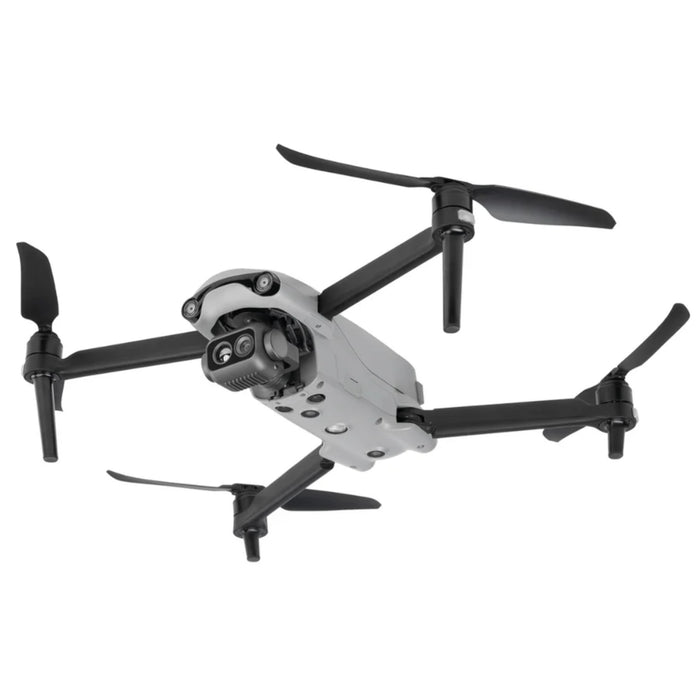
The Evo Lite series also includes advanced AI features for object recognition and tracking, which can automatically identify people and vehicles in real-time. Additionally, the EVO Lite series supports advanced target recognition, enhancing industry-specific tasks that require precise identification and tracking capabilities.
Public Safety and Emergency Response Applications
The Anzu Robotics Raptor and Autel EVO Lite 640T Enterprise are quickly becoming essential tools for public safety and emergency response teams. Thanks to their advanced thermal imaging capabilities and robust flight dynamics, these drones are transforming how first responders, government agencies, and emergency crews approach critical incidents.
Both drones excel in scenarios where rapid deployment, reliable aerial support, and real-time situational awareness are crucial. Their ability to provide clear thermal imaging and stable flight in challenging conditions ensures that responders can make informed decisions quickly, whether they are searching for missing persons, assessing hazardous environments, or supporting disaster relief efforts.
Real-World Deployments
Across the country, public safety agencies are leveraging the Anzu Robotics Raptor and Autel EVO Lite 640T Enterprise to enhance their emergency response capabilities. Police departments have deployed the Anzu Robotics Raptor to monitor high-risk situations, providing real-time aerial intelligence that improves officer safety and operational outcomes. Fire departments are utilizing the Autel EVO Lite 640T Enterprise to detect hotspots and track the progression of wildfires, allowing for more effective resource allocation and faster containment.
These real-world deployments highlight the practical value of these drones in public safety operations. The combination of secure data handling, reliable flight performance, and advanced imaging makes both the Anzu Robotics Raptor and Autel EVO Lite 640T Enterprise indispensable assets for agencies focused on safety and rapid response.
Key Features for First Responders
The Anzu Robotics Raptor and Autel EVO Lite 640T Enterprise are packed with features that cater specifically to the needs of first responders:
-
High-Resolution Thermal Imaging: Both drones are equipped with advanced thermal imaging cameras, enabling responders to detect heat signatures, locate missing persons, and track targets in low-visibility conditions.
-
Advanced Obstacle Avoidance: Intelligent obstacle avoidance systems ensure safe and stable flight, even in complex or cluttered environments, reducing the risk of collisions during critical missions.
-
Extended Flight Time and Range: Long flight durations and impressive operational ranges allow for sustained surveillance and monitoring, minimizing downtime and maximizing coverage during emergencies.
-
Secure Data Storage and Transmission: With robust internal storage and secure data transmission protocols, these drones protect sensitive information, ensuring that critical flight data remains confidential and tamper-proof.
-
Fleet Management Compatibility: Seamless integration with popular fleet management software streamlines operations, making it easy for agencies to coordinate multiple drones and manage mission data efficiently.
These features make the Anzu Robotics Raptor and Autel EVO Lite 640T Enterprise highly suitable for a wide range of public safety and emergency response applications, providing the resolution, reliability, and security that first responders demand.
Comparative Analysis for Emergency Use
When comparing the Anzu Robotics Raptor and Autel EVO Lite 640T Enterprise for emergency response, several key factors emerge. The Anzu Robotics Raptor offers a more comprehensive feature set, including a higher-resolution thermal camera and a sophisticated obstacle avoidance system, making it ideal for agencies that require top-tier imaging and safety features.
On the other hand, the Autel EVO Lite 640T Enterprise stands out for its affordability and longer flight time, making it an attractive option for agencies with tighter budgets or those needing extended aerial coverage. While its camera resolution and obstacle avoidance are strong, they may not match the advanced capabilities of the Raptor in every scenario.
Ultimately, the choice between these two drones depends on the specific operational requirements, budget constraints, and regulatory considerations of the agency. By carefully comparing the flight time, camera performance, obstacle avoidance, and data security features, public safety teams can select the drone that best enhances their emergency response capabilities and ensures the safety of both responders and the communities they serve.
Head-to-Head Comparison
Camera & Sensor Comparison
For mapping, the Mavic 3 Enterprise and Anzu Raptor’s 4/3” sensor and mechanical shutter give them an edge in image quality and survey accuracy. Each drone also offers the ability to record high-quality videos, which is a key consideration for many enterprise users evaluating drone performance. For thermal imaging, all drones feature a comparable 640x512 sensor, but the Mavic 3T and Anzu T have a slight advantage in temperature accuracy.
Flight Performance Comparison
The Mavic 3 Enterprise and Anzu Raptor lead with a max flight time of 45 minutes, while the Autel series offers a respectable 38-40 minutes. However, real-world user feedback suggests that DJI’s flight control systems handle wind more efficiently, which can make a big difference in completing mapping missions in one flight. When comparing the overall flight experience, the Mavic 3 Enterprise stands out for its responsive controls and advanced obstacle avoidance, while the Anzu Raptor and Autel series also deliver smooth piloting feel and reliable safety features, but with slight differences in agility and latency.
Software & Features
DJI’s software ecosystem is polished and feature-rich but comes with mandatory geofencing. In contrast, Autel and Anzu offer geofence-free platforms, which provides much-needed operational freedom for first responders. Autel’s software also includes unique AI features for object recognition, a key advantage over DJI’s native system.
When it comes to mission planning, DJI offers robust autonomous flight modes and comprehensive mission planning tools, making it suitable for tasks like photogrammetry and repeatable video. Autel provides flexible mission planning capabilities with fewer restrictions, while Anzu emphasizes user-friendly mission planning features designed for rapid deployment and ease of use.
FAQs for Enterprise Drone Buyers
What are the differences within the DJI Mavic 3 Enterprise series?
The DJI Mavic 3 Enterprise series includes the standard Mavic 3E (mapping), Mavic 3T (thermal), and Mavic 3M (multispectral). All three share a common airframe and flight capabilities, but each has a specialized camera payload for different professional applications.
Are the Anzu Raptor and Raptor T NDAA-compliant?
No, the Raptor-series drones are crafted in Southeast Asia, which prevents their eligibility for inclusion in the Blue UAS program. Additionally, the Anzu Robotics Raptor-T thermal sensor is sourced from China.
How does the Anzu Raptor T compare to the DJI Mavic 3T?
The Anzu Raptor T mirrors the DJI Mavic 3T’s thermal capabilities with a 640x512 IR sensor. Both drones also offer the option to add an RTK module, an accessory mounted atop the drone that significantly enhances positioning accuracy—especially valuable for mapping and surveying applications. The main differences are in the software, with the Raptor T offering geofence-free operation, whereas the Mavic 3T benefits from DJI’s more mature and feature-rich software ecosystem.
Conclusion: Finding the Best Fit for Your Mission
While the DJI Mavic 3 Enterprise is a benchmark in performance and user experience, the market is undergoing a significant shift. Due to ongoing tensions between the U.S. government and DJI, a growing shortage of Mavic 3 drones has created a critical need for viable alternatives.
Fortunately, the Anzu Raptor and Autel Evo series have risen to the challenge, offering powerful platforms designed to deliver the same capabilities as the Mavic 3. The best choice now depends not just on specs, but on your operational needs, budget, and regulatory requirements. Choosing the right drone is no longer just a purchasing decision—it's a strategic move to future-proof your fleet.
The team at Global Drone HQ is here to answer any questions you may have about your drone setup. We can help guide your business or agency through the process of selecting the right drone and a robust, secure solution that meets your specific mission requirements.
Share:
Drone Camera Systems: A Comprehensive Guide to Aerial Imaging, Sensors, and Payloads
DJI Mavic 3 Thermal (M3T): Specs, Price & What Replaced It [2026]