Best Heavy Lift Drones in 2025 – Reviews, Specs & Buying Guide
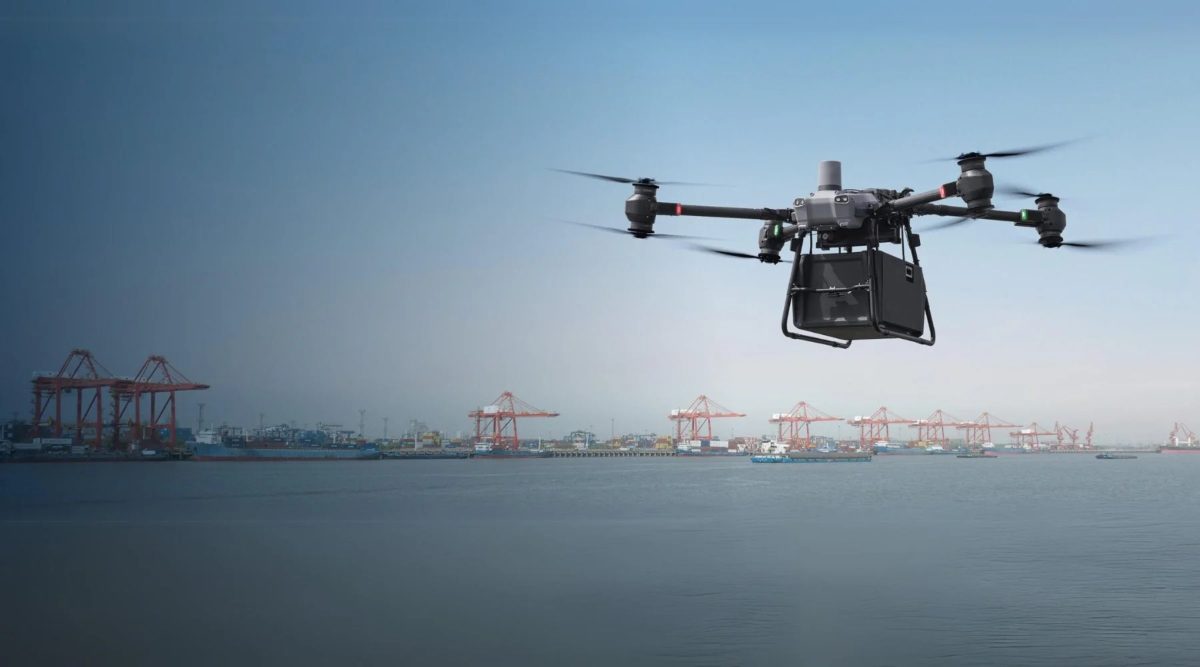
Heavy-lift drones are a new class of powerful unmanned aerial vehicles (UAVs) built to carry substantial payloads far beyond the capacity of standard consumer models. Unlike standard drones, which are typically used for lighter tasks such as photography and small-scale inspections due to their limited payload capacity, heavy-lift drones are designed for demanding industrial and commercial operations. These workhorse drones can lift anywhere from 5 kg up to over 200 kg of cargo, transforming logistics, construction, and emergency response. Heavy lift drones are also used for efficient transportation and delivery in both urban and rural areas, making them versatile solutions for a wide range of logistical challenges.
This definitive guide will give you a 360° view of the heavy-lift drone landscape in 2024. We’ll cover key models, use cases, technical features, and what you need to know before you buy. As the technology advances, the growing range of commercial applications and the positive environmental impact of using heavy lift drones for logistics and data collection are becoming increasingly significant.
What Is a Heavy Lift Drone?
A heavy-lift drone is a drone designed to carry a payload of 5 kg (11 lbs) or more. While smaller heavy-lifters are used for professional camera rigs or sensors, the truly heavy-lift class begins around 20 kg (44 lbs) and can exceed 200 kg (441 lbs) for the largest models. A large drone is a heavy-duty, high-capacity unmanned aerial vehicle capable of carrying significant payloads or performing specialized tasks such as surveillance or rescue. Large drones differ from smaller UAVs by offering greater capacity, advanced technical specifications, and are often used in industrial or commercial applications.
These drones are distinguished by their robust frames, powerful multi-rotor systems, and advanced controls engineered to handle significant weight. At the upper end of payload capacity, the largest drone and big drone models can carry industrial-grade equipment, with multiple types of heavy lift drones designed for different tasks and applications.
How Much Weight Can the Strongest Drones Carry in 2024?
The strongest commercial drones on the market today can carry payloads of over 200 kg. This drone carry capability means that certain models are engineered to lift substantial weights, making them suitable for demanding applications. Key specs such as payload capacity, range, and endurance are critical when evaluating how much weight a drone can carry and its overall performance. For instance, the GRIFF Aviation 300 octocopter can lift up to 227 kg (496 lbs), making it one of the heaviest lift drones available. Passenger drones like the EHang EH216-S are also rated for heavy cargo, with a payload capacity of up to 219 kg. More common commercial models typically lift between 30-50 kg for tasks like deliveries, emergency resupply, heavy-duty agricultural spraying, transporting goods, and the ability to transport materials for industries such as logistics, construction, and agriculture.

Types of Heavy Lift Drones
Heavy lift drones come in several distinct types, each specifically designed to meet the demands of different industries and operational environments. The most common categories are multi-rotor drones, fixed-wing drones, and hybrid drones. Multi-rotor drones, such as octocopters and hexacopters, are favored for their vertical takeoff and landing (VTOL) capabilities, making them ideal for lifting heavy payloads in confined or hard-to-reach areas. These lift drones excel in applications like delivering medical supplies to remote locations or transporting construction materials to elevated sites.
Fixed-wing drones, on the other hand, are engineered for long-range missions and higher speeds. Their aerodynamic design allows them to cover vast areas efficiently, making them suitable for large-scale agricultural spraying or surveying operations that require carrying advanced sensors over extended distances. Hybrid drones combine the best of both worlds, offering the VTOL functionality of multi-rotors with the endurance and speed of fixed-wing models. This versatility enables them to handle a wide range of heavy lift tasks across various industries, from logistics and construction to emergency response and environmental monitoring. Whether transporting critical medical supplies, construction materials, or specialized sensor combinations, these heavy lift drones are specifically designed to maximize operational efficiency and payload capacity.

Components of Heavy Lift Drones
The ability of heavy lift drones to transport substantial payloads relies on a combination of advanced components engineered for strength, efficiency, and reliability. At the core are powerful motors and high-capacity batteries, which provide the thrust and endurance needed for carrying heavy payloads over significant distances. The propulsion system typically features multiple rotors or, in the case of hybrid and fixed-wing models, a combination of rotors and wings to generate the necessary lift and maintain stable flight.
A key feature of these lift drones is their robust airframe, often constructed from lightweight yet incredibly strong materials like carbon fiber. This not only reduces the drone’s own weight but also maximizes its payload capacity, allowing for the safe transport of heavy lift cargo. Advanced avionics play a crucial role as well, with sophisticated flight control systems, navigation modules, and communication links ensuring precise maneuverability and reliable performance even in challenging environments. Together, these components enable heavy lift drones to excel in demanding applications, from industrial delivery systems to carrying advanced sensors for data collection.

Top Heavy Lift Drones
Here are some of the best heavy-lift drones available today, each with a unique purpose and set of features.
Comparison of Top Heavy-Lift Drones
|
Model |
Max Payload (kg) |
Max Flight Time (min) |
Top Speed (km/h) |
Battery Life |
Dual Batteries |
Blue UAS Certified |
Best For |
|---|---|---|---|---|---|---|---|
|
DJI FlyCart 30 |
30 kg |
18 (with payload) |
72 |
Extended with dual batteries |
Yes |
No |
Long-distance delivery |
|
Freefly Alta X |
16 kg |
10-20 |
97 |
Up to 20 min |
No |
No |
Professional cinematography |
|
JOUAV CW-80E |
50 kg |
8-10 hrs |
120 |
Up to 10 hrs |
No |
No |
Long-range logistics |
|
Draganfly Commander |
30 kg |
30 (with payload) |
72 |
Up to 30 min |
No |
Blue UAS certified |
Public safety & delivery |
|
GRIFF 300 |
227 kg |
N/A |
80 |
N/A |
No |
No |
Extreme industrial lifting |

What Are Heavy Lift Drones Used For?
Heavy-lift drones are unlocking new possibilities across a wide range of industries. Delivery heavy lift drones are transforming drone delivery and last mile delivery by enabling the efficient transport of goods to both remote and urban locations. These drones play a crucial role in commercial applications, including logistics, agriculture, and construction, where their capabilities are tailored for specific industrial tasks. In addition, heavy lift drones are increasingly used in military applications and large scale operations, where expertise in operating drones and strict regulatory compliance are essential for safe and reliable deployment.
Delivery & Logistics
Drones like the DJI FlyCart 30 are ferrying critical supplies to remote or hazardous locations, serving both urban and rural areas—including remote areas that are otherwise difficult to access. These missions save time and reduce the risks associated with ground or helicopter transport. The DJI FlyCart 30 has a maximum payload of 66 lbs, making it a reliable choice for medium-scale delivery operations.
Heavy lift drones enable last mile delivery and efficient transportation of goods, ensuring supplies reach their destination quickly and reliably. The DJI FlyCart 30 supports winch mode, allowing for safe and precise cargo delivery without the need for a landing zone, and features dual operator mode to enhance safety and control during complex delivery missions.
Construction & Infrastructure
Heavy drones are used to hoist equipment and materials, as well as for transporting materials to challenging sites, including mountainous regions, like rooftops, bridges, or offshore wind turbines. This eliminates the need for expensive cranes or manual labor and dramatically cuts project time. In one case, drones delivered over 5 tons of equipment to offshore wind turbines over 10 days, saving significant costs and time.
Heavy lift drones can also transport materials such as cargo or construction equipment efficiently and safely to difficult or dangerous locations. Additionally, they are equipped with specialized sensors for construction site monitoring and data collection, further enhancing their utility in infrastructure projects.

Public Safety & Emergency Response
Heavy-lift drones can carry critical payloads like medical kits, rescue ropes, or fire extinguishing payloads into disaster zones that are inaccessible to ground vehicles, supporting search and rescue missions and disaster relief operations. They are increasingly being deployed in wildfires to drop water or supplies, enhancing the safety and effectiveness of emergency crews. Heavy lift drones are also used for medical supply delivery, transporting essential items such as vaccines and medications to remote or emergency locations. In disaster zones, these drones can serve both civilian and military applications, ensuring rapid response and compliance with security standards. Advanced features like autonomous flight and artificial intelligence further improve emergency response by enabling drones to operate independently and make real-time decisions in critical situations. Additionally, they can deliver medical supplies like vaccines and blood to remote communities or disaster-stricken areas.

Filmmaking & Media
The film industry relies on drones like the Freefly Alta X, a big drone and large drone capable of carrying heavy, professional-grade cinema cameras and gimbals. This allows cinematographers to capture stunning aerial shots that previously required expensive helicopters or cranes, all with greater stability and precision.
These large drones can also be equipped with specialized sensors for advanced cinematography or media production, enabling filmmakers to gather unique data and achieve creative effects not possible with standard equipment.

Agriculture
Heavy drones are a game-changer for agriculture. Models like the DJI Agras series are equipped with large tanks to spray multiple types of agrichemicals or payloads, such as fertilizers, pesticides, or seeds, over vast fields in a fraction of the time it would take with a tractor. This not only increases efficiency but also reduces labor and fuel costs. The precise application enabled by these drones minimizes waste and has a positive environmental impact by reducing chemical runoff and fuel consumption. Advanced models use artificial intelligence to optimize spraying patterns and efficiency. Additionally, these drones are capable of transporting goods like seeds or fertilizers directly to remote or hard-to-reach areas.
Energy and Utilities Inspection
In the energy and utilities sector, heavy lift drones are revolutionizing inspection and maintenance processes. Equipped with advanced sensors such as lidar sensors and high-resolution cameras, these lift drones can quickly and safely inspect critical infrastructure like wind turbines, powerlines, and pipelines. By capturing detailed imagery and precise data, heavy lift drones help identify potential issues before they become costly problems, all while minimizing the need for manual inspections in hazardous or hard-to-reach locations. Heavy lift drones are also used in industrial inspections, carrying specialized sensors for examining infrastructure like bridges and pipelines.
The use of heavy lift drones in this field not only enhances safety by reducing the exposure of personnel to dangerous environments but also significantly increases operational efficiency. Inspections that once took days or required expensive equipment like helicopters can now be completed in a fraction of the time, with drones carrying the necessary advanced sensors and equipment directly to the site. This approach is particularly valuable for monitoring wind turbines in remote or offshore locations, where traditional inspection methods are both risky and expensive. As a result, energy companies are increasingly relying on heavy lift drones to maintain infrastructure, reduce costs, and ensure reliable service delivery.
How Do Heavy Lift Drones Handle Big Payloads?
Heavy-lift drones are a marvel of engineering, built with specific features to handle immense weight:
-
Powerful Propulsion: They use multiple high-torque motors and large propellers—often 6 to 8 or more—to generate the lift needed. Some even use coaxial dual-rotor setups for extra thrust.
-
Lightweight, Durable Frames: To maximize payload capacity, heavy-lift drones are built with strong, lightweight materials like carbon fiber.
-
Advanced Power Systems: They use large-capacity batteries or even hybrid gas-electric engines to provide the necessary power and endurance for heavy loads, with battery life being a critical factor for extended flight time and successful delivery over longer distances.
-
Redundancy and Safety: Many heavy drones include dual batteries for improved reliability and extended battery life, as well as backup GPS systems and emergency parachutes to prevent a catastrophic failure while carrying a heavy payload.
Maintaining visual line of sight (VLOS) is essential for safe drone operations, but advancements in autonomous flight technology are enabling drones to operate beyond visual line of sight (BVLOS), increasing efficiency and expanding operational range.
How Payload Weight Affects Flight Time and Range
There’s a significant trade-off between payload weight and a drone’s flight performance. As the payload increases, the motors must work harder, causing the battery to drain much faster. Battery life is a key spec for heavy lift drones, as it directly impacts their ability to maintain longer flight times and complete extended delivery missions. A drone that can fly for 40 minutes with no payload might only be able to fly for 10-15 minutes at its maximum capacity. Payload weight also affects top speed and efficient transportation, since heavier loads can reduce a drone’s maximum velocity and overall delivery efficiency. For example, the DJI FlyCart 30’s range shrinks from 17 miles to about 10 miles when fully loaded. Understanding these key specs is essential when evaluating a drone’s capabilities for specific applications.
Safety Considerations for Heavy Lift Drones
Safety is paramount when operating heavy lift drones, given the significant risks associated with transporting large payloads over populated or sensitive areas. Operators must adhere to strict safety protocols, including comprehensive pre-flight checks, continuous weather monitoring, and well-defined emergency procedures. The design and manufacturing of lift drones also incorporate multiple safety features, such as redundant power and control systems, obstacle avoidance technology, and emergency landing protocols, all aimed at minimizing the risk of accidents.
Regulatory compliance is another critical aspect, with agencies like the FAA setting stringent requirements for the operation of heavy lift drones. These regulations help ensure that drones are flown responsibly and that both operators and the public are protected from potential hazards. By combining robust safety features with diligent operational practices, heavy lift drone operators can achieve reliable performance while safeguarding people, property, and the environment.
Insurance and Liability for Heavy Lift Drones
Given the high value of both the equipment and the payloads involved, insurance and liability coverage are essential for anyone operating a heavy lift drone. Comprehensive insurance policies typically cover damage to the drone itself, as well as liability for any injuries or property damage that may occur during operation. This is especially important for lift drones used in commercial or industrial settings, where the stakes—and the potential risks—are much higher.
Operators should carefully assess their insurance needs, ensuring that their policy provides adequate protection for the specific types of missions and payloads they handle. Compliance with regulatory requirements, such as those set by the FAA, is also crucial for maintaining valid coverage and avoiding legal complications. By securing robust insurance and understanding their liability obligations, heavy lift drone operators can protect their investments, maintain business continuity, and operate with confidence in a rapidly evolving industry.
Buying Guide: What to Consider When Buying a Heavy Lift Drone
Choosing the right heavy-lift drone is a major decision. Here are the key factors to consider:
-
Payload Capacity: Don’t just meet your payload needs; choose a drone with some headroom to ensure safe and stable flight.
-
Flight Time and Range: Check a drone’s flight time and range with a full payload to make sure it can complete your mission. You may need to plan for extra batteries.
-
Durability and Weather Resistance: Look for drones with a robust build and an IP-rated weather sealing to ensure it can operate reliably in challenging outdoor conditions.
-
Specialized Features: Consider if you need features like specialized sensors for data collection or environmental monitoring, dual operator mode for enhanced control and safety during complex missions, winch mode for precise cargo delivery without landing, a winch system for deliveries, a robust camera gimbal for filmmaking, or specific mounting points for sensors.
-
Commercial Applications: Evaluate the specific commercial applications you need, such as agriculture, delivery, construction, or medical supply transport, to ensure the drone is tailored for your industry.
-
Blue UAS Certified: For government or military buyers, choosing a Blue UAS certified drone is important to meet stringent safety, security, and reliability standards.
-
Price & ROI: Heavy-lift drones can cost anywhere from $5,000 to over $100,000. Weigh the initial investment against the potential savings in labor, time, and improved safety to determine your return on investment.
Do Heavy Lift Drones Require Special Licenses or Regulations?
Yes. In the United States, any drone with a total takeoff weight over 55 lbs (25 kg) is not covered by standard Part 107 rules. Flying these drones commercially requires a special exemption or airworthiness certificate from the FAA. For sensitive or government-related missions, using a Blue UAS certified drone is often required, as these platforms meet stringent safety, security, and reliability standards necessary for military applications. International regulations also require special permits and pilot licensing for heavy-lift drones, so it’s crucial to check with your local aviation authority.
For large scale operations, such as drone fleet management or urban delivery networks, additional regulatory considerations apply, including airspace coordination and compliance with new air traffic management systems. Operators must ensure flights remain within visual line of sight (VLOS) or obtain BVLOS waivers to meet safety and efficiency requirements.
What Is the Future of Heavy Lift Drones?
The future of heavy-lift drones is focused on overcoming current limitations and expanding into new markets. We expect to see:
-
Hybrid and Hydrogen Power: These new power systems will significantly extend flight times and range, allowing heavy drones to carry payloads over much greater distances.
-
Autonomy and Swarming: AI-powered autonomy, artificial intelligence, and autonomous flight will enable drones to perform complex missions on their own, making drone systems smarter and more adaptable. We may also see drone swarms working in tandem to lift a single, massive payload.
-
Evolving Regulations: As technology advances, regulations will likely catch up, allowing for more routine and widespread use of heavy-lift drones for cargo delivery and urban air mobility, especially in large-scale operations.
Heavy-lift drones are also expected to have a positive environmental impact by reducing emissions and supporting sustainable logistics through precise delivery and efficient resource use. The expansion of large-scale operations and commercial applications—such as agriculture, construction, delivery, and medical supply transport—will further drive adoption.
The market for heavy-lift drones is projected to grow significantly, driven by the need for safer, more efficient transportation, and more sustainable logistics and infrastructure solutions.
Frequently Asked Questions
What qualifies as a “heavy lift” drone?
A heavy-lift drone is a drone with a payload capacity of 5 kg (11 lbs) or more. The most capable heavy-lifters are designed for industrial use and can carry over 200 kg (441 lbs) of payload. Drone carry refers to the specific weight a drone can transport, and large drones are engineered for industrial applications where significant payloads, such as equipment or even passengers, need to be moved efficiently.
Which are the best heavy lift drones of 2024?
Top models include the DJI FlyCart 30 for long-range delivery, the Freefly Alta X for cinema and camera rigs, and the GRIFF 300 for extreme industrial lifting. Other notable brands include Draganfly, JOUAV, and EHang.
When choosing the best heavy lift drone, it's important to compare key specs such as top speed and battery life, as these factors determine performance, range, and suitability for specific tasks.
How do heavy lift drones handle big payloads?
Heavy-lift drones are engineered with robust, lightweight frames, powerful high-torque motors, and advanced flight controllers. They often use multiple rotors, large batteries, and redundant systems to ensure stable and safe flight with a heavy load. Many models feature dual batteries, which provide extended battery life and increased reliability for longer missions and added safety.
Maintaining visual line of sight is crucial for safe drone operations, but advancements in autonomous flight technology are enabling drones to operate beyond visual line of sight for greater efficiency and flexibility.
How does payload weight affect flight time and range?
As a drone’s payload increases, its flight time and range decrease significantly. This is because the motors must work harder, draining the battery faster. Battery life is directly impacted by heavier payloads, which not only shortens air time but can also reduce the drone's top speed. These factors are crucial for efficient transportation, as maximizing battery life and maintaining optimal top speed are essential for successful delivery and streamlined logistics operations. A drone’s endurance can be reduced by 50% or more when carrying its maximum payload.
What should I consider when buying a heavy lift drone?
Consider a drone’s payload capacity, flight time with a full load, durability, and specialized features. When evaluating options, look for capabilities such as support for specialized sensors, winch mode for precise cargo delivery, and dual operator mode for enhanced control during complex missions. It’s also crucial to factor in the total cost, including accessories, training, and compliance with local regulations. For certain buyers, choosing a Blue UAS certified drone is important to meet government or military standards. Always assess the drone’s suitability for your intended commercial applications, such as agriculture, delivery, construction, or medical supply transport.
Do heavy lift drones require special licenses or regulations?
Yes. In the U.S., drones over 55 lbs (25 kg) require a special airworthiness certificate or exemption from the FAA. Similar regulations and licensing requirements apply in other countries for large commercial drones. For large-scale operations, additional regulatory considerations include airspace coordination, compliance with new air traffic management systems, and meeting requirements for extensive drone deployments such as delivery networks. Operators must maintain visual line of sight (VLOS) during flight, or obtain waivers for beyond visual line of sight (BVLOS) operations to ensure safety and efficiency. Drones that are Blue UAS certified are particularly relevant for military applications, as they meet stringent government and military standards for safety, security, and reliability.
How much do heavy lift drones cost?
Prices for heavy-lift drones vary widely. Smaller industrial drones can range from $5,000 to $15,000, while top-end, heavy-duty systems can cost well over $100,000. Price is dependent on payload capacity, technology, and included features. Commercial applications—such as agriculture, delivery, construction, and medical supply transport—along with key specs like flight time, speed, and specialized capabilities, also significantly influence the overall cost. For consumer-grade models, prices start at around $10,000, while advanced industrial drones can exceed $100,000.
What is the future of heavy lift drones?
The future is focused on hybrid and hydrogen power systems to extend flight time, advanced autonomy, and the use of AI. Artificial intelligence and autonomous flight will play a crucial role in enabling smarter, more adaptable drone systems that can operate independently and safely. As regulations evolve, these drones are expected to become commonplace in logistics, construction, and urban air mobility, supporting large-scale operations and efficient transportation networks. Additionally, the adoption of heavy lift drones can help reduce environmental impact by optimizing resource use and minimizing emissions.
Let's chat!
Have questions about this post? We'd love to hear from you.