
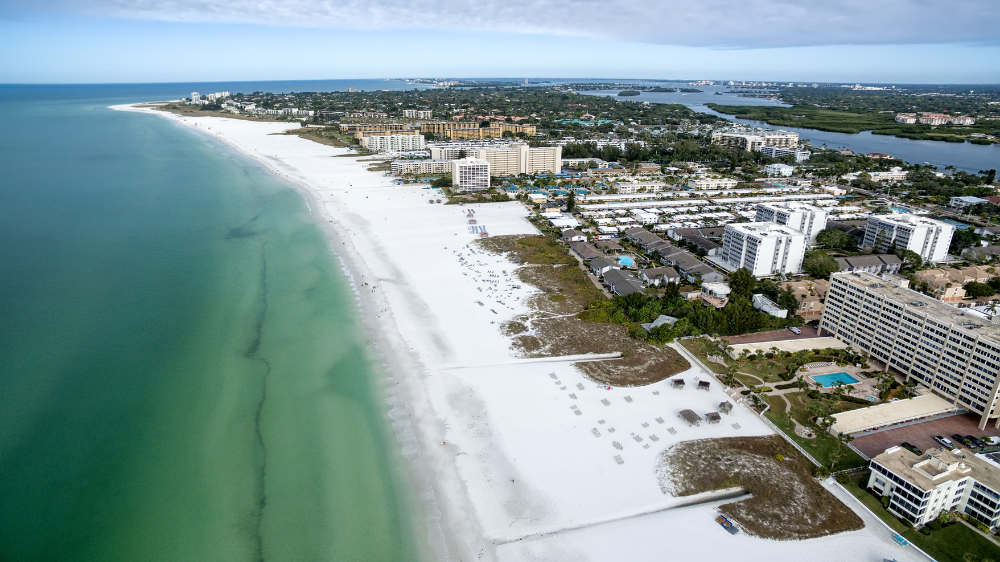
Drone fishing has moved from a niche hack to a serious advantage for anglers who want longer casts, better bait placement, and access to fish that rarely see a hook. If you’re searching for practical drone fishing tips that actually translate to more hookups, the key is to combine solid fishing fundamentals with smart drone handling and a safety-first approach. Below are seven field-tested tips to help you get started and improve fast, including how to get the most out of the Xpece ONE Fishing Drone.
1) Start With the Right Drone Setup for Fishing (Stability Beats Speed)
One of the most overlooked drone fishing tips is choosing a platform built for controlled, repeatable payload drops rather than high-speed flying. Fishing drones need stable hover performance, predictable handling in wind, and reliable release mechanics so your bait lands where you intend.
If you want a purpose-built option, the Xpece ONE Fishing Drone is designed specifically for drone fishing use cases, making it easier to focus on placement and technique instead of fighting your gear. A fishing-focused drone setup also reduces the “trial-and-error” period that can waste time and tackle.
Before your first trip, do a dry run on land: practice takeoff, hovering, slow forward movement, and controlled descents. Then test your release process without hooks attached. That simple routine helps prevent tangles and misdrops when it counts.
2) Master the Drop: Controlled Bait Delivery Is the Whole Point
Drone fishing is not just “dropping bait far away.” The real advantage is precision. Great drone fishing tips emphasize bait delivery with intention: aim for structure edges, color changes, current seams, and the up-current side of bait schools so your offering drifts naturally into the strike zone.
To improve accuracy, keep these habits consistent:
- Fly low and slow when approaching the drop location to reduce swing and load oscillation.
- Pause briefly before release to stabilize the drone and minimize bait pendulum.
- Release slightly upwind of the target when conditions are gusty, allowing for drift.
- Climb a bit after release before turning back to avoid line crossing the drone path.
The more repeatable your drop procedure becomes, the fewer tangles you’ll deal with and the more confident you’ll be placing baits on tight zones.
3) Use a Balanced Rig That Won’t Spin, Tangle, or Helicopter
Few drone fishing tips matter as much as rig control. A spinning bait, crooked weight, or poorly balanced leader can twist your main line and ruin the drop. The drone doesn’t fix a bad rig; it amplifies rig problems because you’re moving the bait through air and then water.
For smoother drops, prioritize:
- A streamlined sinker or weight that tracks straight
- Leader length appropriate to conditions (shorter in rough water, longer in clear calm water)
- Quality swivels to reduce line twist
- Secure bait presentation that won’t tear off during flight
Also, keep hooks covered or removed during practice flights, and only rig sharp hooks when you’re ready to fish. That’s a safety move and a gear-saving move.
4) Pay Attention to Wind, Battery, and Return Planning Every Single Flight
Drone fishing tips often focus on bait distance, but the reality is you need a “return budget.” Wind and payload both increase power demand, which can cut your practical range sharply. If you fly out far with a bait attached and then fight a headwind on the way back, you’re stacking risk.
Use a simple planning rule:
- Fly out conservatively until you know how your drone behaves with your typical payload.
- Assume the return leg may use more battery, especially in coastal wind.
- Turn back earlier than you think you need to until you’ve validated real-world flight time.
A fishing-ready drone like the Xpece ONE Fishing Drone helps simplify the learning curve, but conditions still rule the day. If wind is increasing, shorten drops, reduce payload, or wait it out.
5) Dial In Line Management to Prevent Snags and Spool Chaos
When anglers struggle with drone fishing, it’s often not the drone; it’s the line. Smart drone fishing tips always include line management because the drone is effectively “casting” for you, and your reel must pay out smoothly without backlash or drag pressure spikes.
Try these line-control practices:
- Set your drag appropriately so line can feed without jerks during takeoff and acceleration.
- Use your finger (carefully) or a line guide device to keep line laying evenly on the spool during payout.
- Keep the rod positioned to reduce line rubbing on obstacles, sand, or rocks.
- Avoid sudden throttle inputs that can yank line and pull the rig into swing.
After the drop, confirm your line is clear and the bait is settled before you start adjusting drag for the fight. If the line comes tight too early, you can drag your bait out of the zone.

6) Scout First, Then Drop: Use the Drone’s View as a Real Advantage
One of the best drone fishing tips is to use the drone as a scouting tool, not just a delivery device. Even in slightly stained water, aerial perspective can reveal sandbars, troughs, weed lines, rock patches, and bait activity you’d miss from shore.
A simple scouting workflow looks like this:
- Fly a short, safe pattern parallel to the shoreline or along your target area.
- Identify likely holding zones and note wind/current direction.
- Plan an approach line so the drone doesn’t cross over your fishing line after the drop.
- Then rig and deliver bait with a specific target in mind.
This approach keeps you from randomly sending baits “farther” and instead helps you place them “smarter,” which is what consistent anglers do.
7) Prioritize Safety, Legal Compliance, and Fish-Friendly Ethics
No list of drone fishing tips is complete without safety and responsibility. Check local regulations for drone operation, no-fly zones, and any restrictions related to dropping objects. Also be mindful of other beachgoers, boats, wildlife, and anglers around you.
Practical safety steps include:
- Maintain visual line of sight and avoid flying over people
- Pre-plan an emergency landing spot
- Keep a safe buffer from birds and protected wildlife areas
- Use appropriate lighting if low-light operation is permitted in your area
- Inspect props, mounts, and release gear before each session
Finally, use best practices for handling and releasing fish where appropriate. Drone fishing can help you reach bigger fish; make sure you’re equipped to land, handle, and release them responsibly.
Why the Xpece ONE Fishing Drone Is Worth Considering

If you’re serious about implementing drone fishing tips without cobbling together a questionable setup, a dedicated fishing drone can save time and frustration. The Xpece ONE Fishing Drone is built for anglers who want a more streamlined path to consistent bait drops, repeatable flight behavior, and a fishing-first experience. Whether you’re targeting surf species from shore or placing baits along structure, using a tool designed for the job can make your learning curve dramatically smoother.
Drone fishing rewards preparation. Focus on controlled drops, clean rigs, disciplined battery planning, and reliable line management, and you’ll quickly see why more anglers are adding drones to their kit.
Share:
Fishing Drone Guide 2026: Why the Xpece ONE Stands out